Model NO.
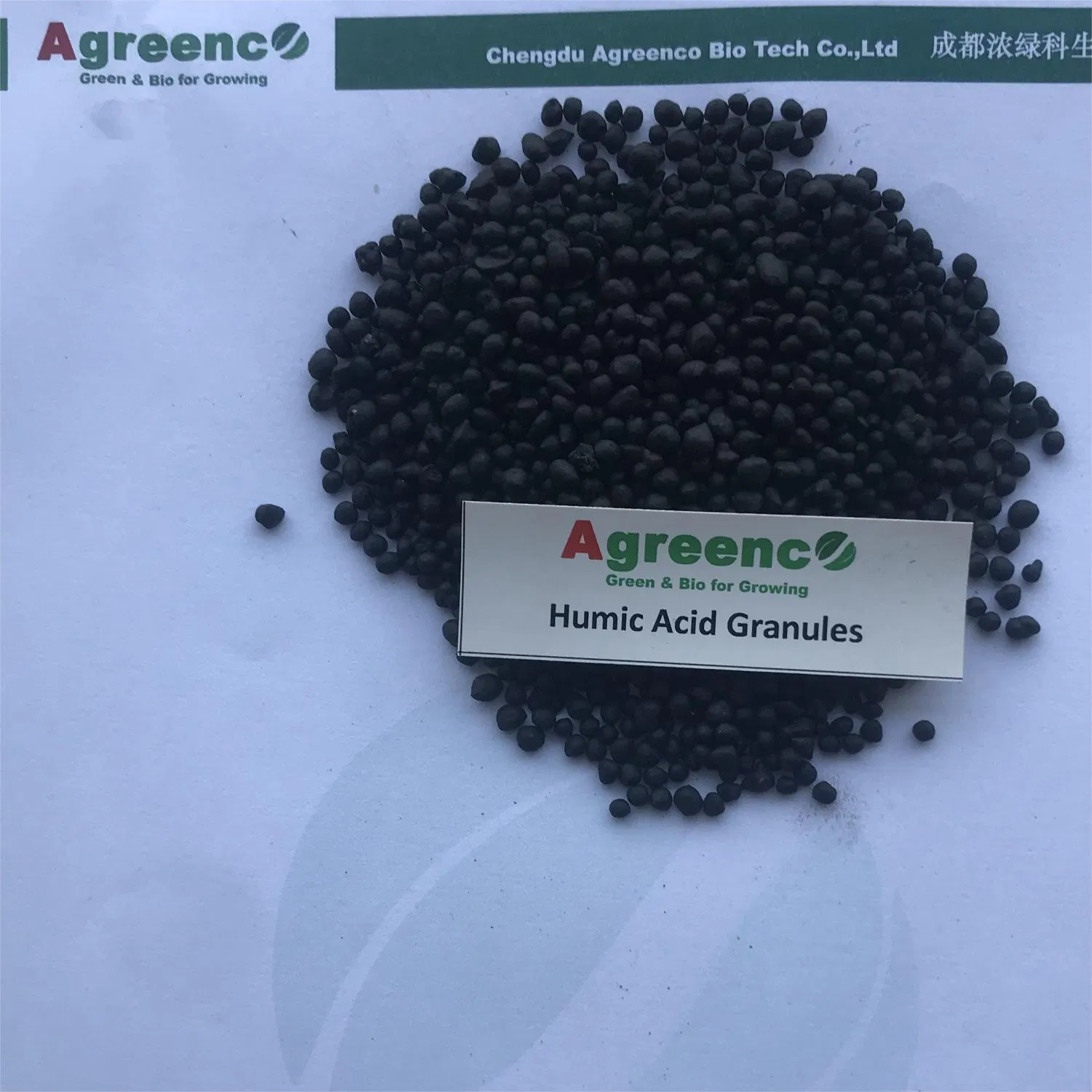
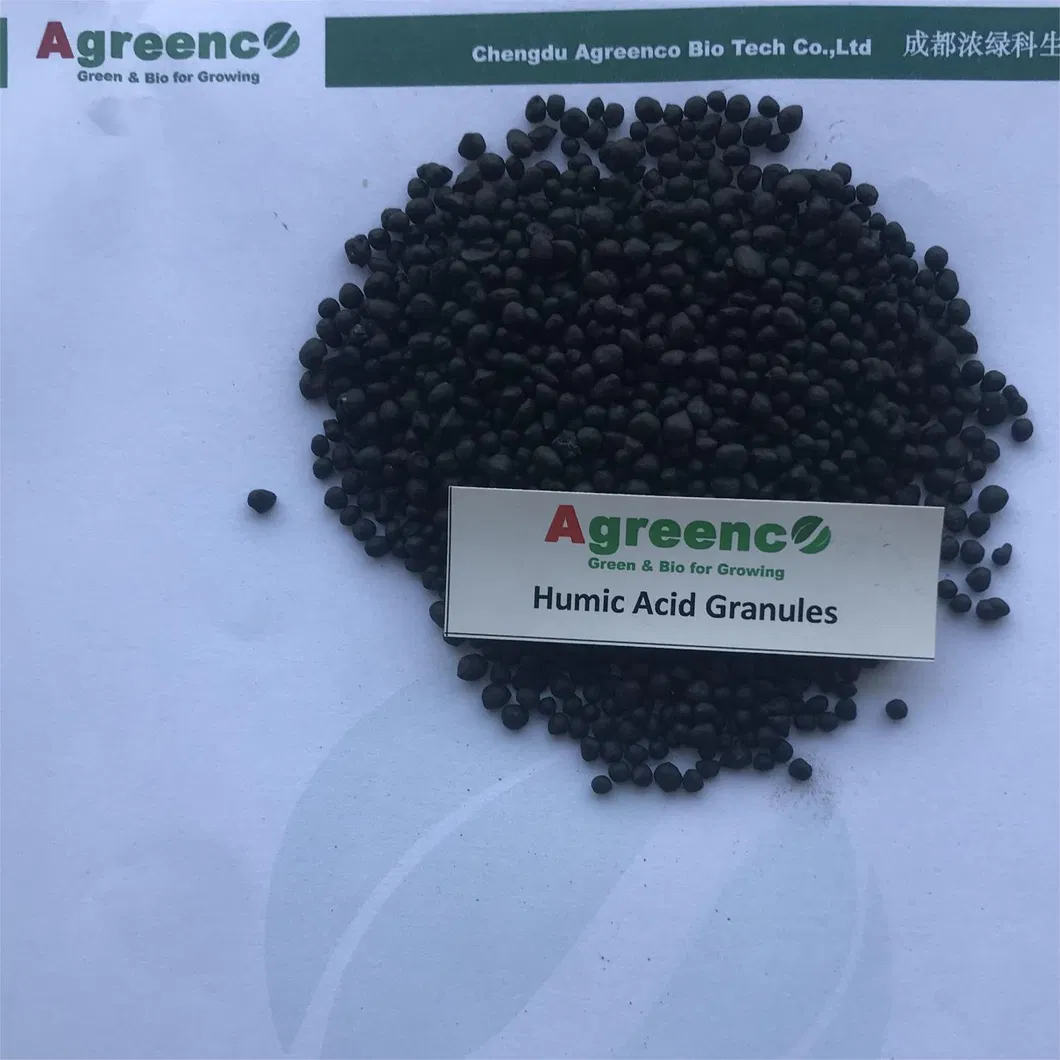
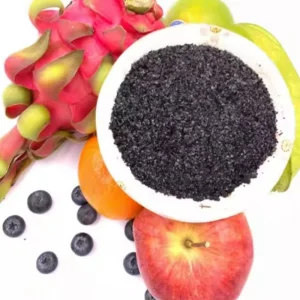
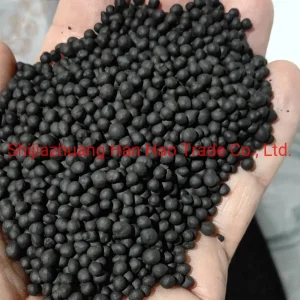
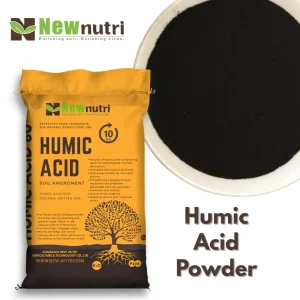
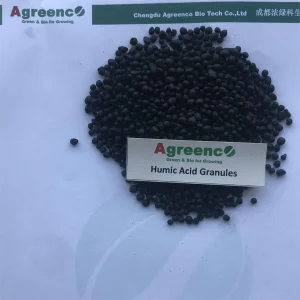
Granule type Humic Acid 50-65% (Dry Basis)
Application
Vegetables, Flowers, Fruit, Cereal Crops
Raw Material
High-Deep Layered Active Natural Leonardite
Functions
Water Retaining, Fertilizer Activator, Soil Buffer
Humic Acid (Widely Used for Crop Soil)
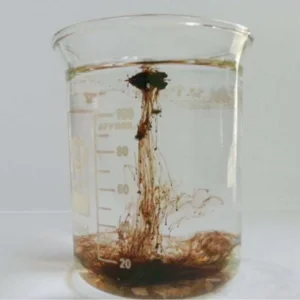
Humic acid is a high molecular weight organic substance made from high-deep layered active natural Leonardite. It acts as a powerful water retaining agent and fertilizer activator for soil mineral elements.
Five Notable Functions for Crops:
- Increase Yield: Proven to increase production in wheat (8-10%), maize (7-13%), and potatoes (10-15%).
- Improve Quality: Enhances sweetness, color, and flavor of fruits and vegetables.
- Boost Fertilizer Efficiency: Reduces NPK loss and improves nutrient utilization by 30-45%.
- Enhanced Stress Resistance: Helps plants survive water, temperature, and salinity stress.
- Stimulate Metabolism: Promotes rapid rooting and increases root quantity.
Soil Improvement Benefits:
1. Improve Soil Structure: Enhances permeability and creates a better environment for root development.
2. Improved Saline-Alkali Land: Neutralizes alkaline substances and inhibits salt rise.
3. Heavy Metal Remediation: Adsorbs and stabilizes heavy metal ions in the soil.
❓ Frequently Asked Questions
Q1: What is the main source of your Humic Acid?
Our humic acid is derived from high-deep layered active natural Leonardite, ensuring high purity and activity.
Q2: How does it improve crop yield?
It acts as a plant regulator, promoting growth and improving the efficiency of NPK absorption, which can lead to a 5-15% increase in various crops.
Q3: Can it be used in saline-alkali soil?
Yes, it helps neutralize alkaline substances and inhibits salt rise, making it an excellent soil conditioner for saline-alkali land.
Q4: Does it help with root growth?
Absolutely. The active groups in humic acid stimulate crop metabolism, promoting rapid rooting and elongating the root system.
Q5: What is the recommended application?
It is ideal for vegetables, flowers, fruit trees, and cereal crops, functioning as both a fertilizer synergist and a soil conditioner.
Q6: How does it reduce environmental stress on plants?
It regulates plant physiological changes and enhances the activity of enzymes that manage oxidative stress, helping plants withstand extreme temperatures and drought.
 TH Fertilizer