Basic Specifications
Infection On Soil:
Physiological Neutral
Chemical Character:
Chemical Neutral
Type:
Bacterial Fertilizers
Production Capacity:
800t Per Month
Specification:
1kg or 25kgs
Product Description
★
Main Ingredients: Bifidobacterium, lactic acid bacteria, bacillus, photosynthetic bacteria, yeast, actinomycetes, acetic acid bacteria, etc.
★
Product Properties: High-activity powder form.
| Product Specification |
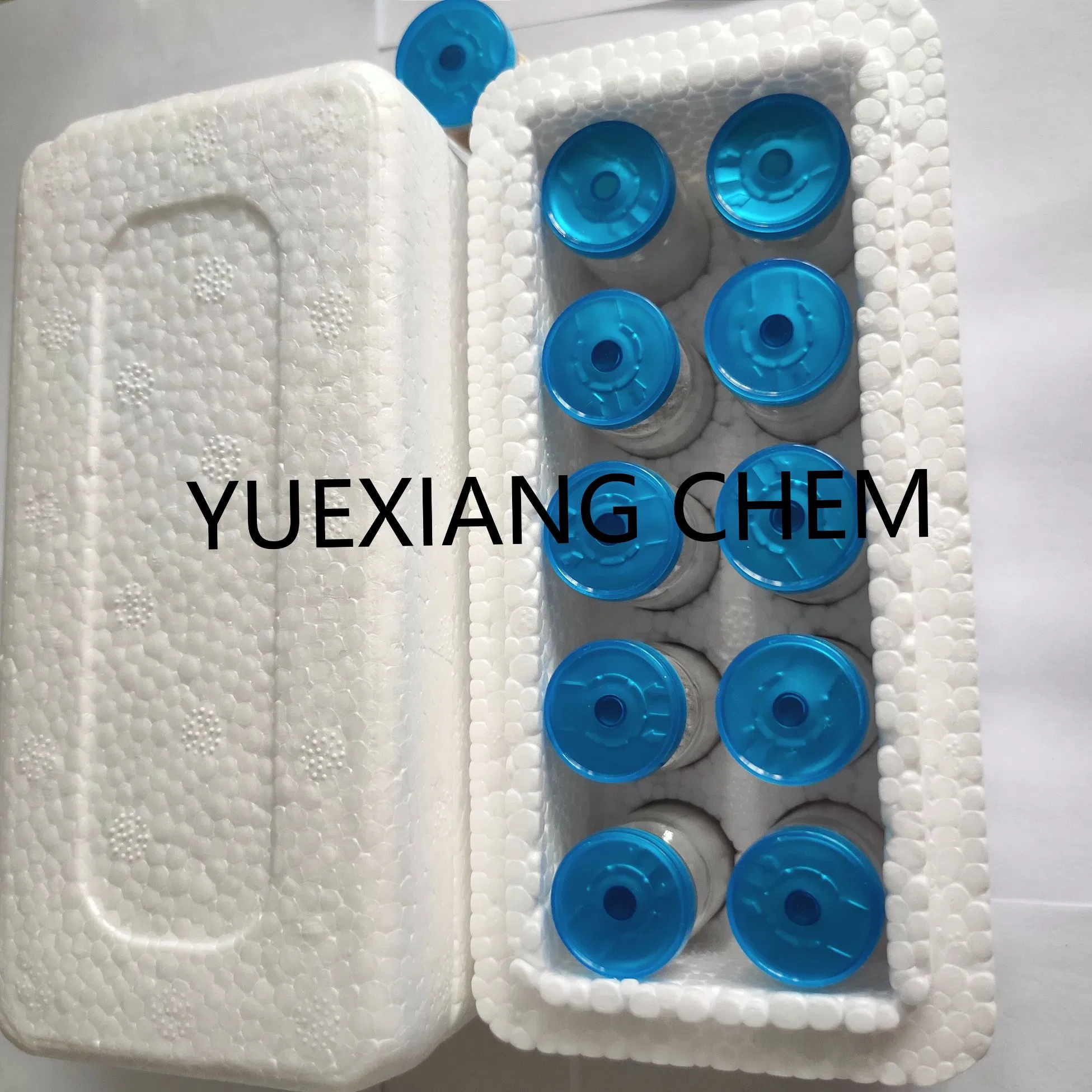
10 bottles per box; 10 grams per bottle; 100 billion bacteria per gram. Each bottle can make 40 kilograms of stock solution. |
Fermentation Method
Standard Formula: [1 bottle of strain] + [brown sugar 2 to 4 kg] + [36 kg of water] sealed and fermented.
Conditions: Fermentation is completed when PH value is around 4. Optimal temperature is 30°C (range: 15-42°C).
Key Efficacy
✔Decomposes macromolecular organic matter (lignin/crude fiber) into small molecular nutrients.
✔Inhibits growth of pathogenic bacteria through antibiotic substances.
✔Secretes enzymes and active substances to improve fertilizer efficiency.
✔Chelates heavy metals and degrades toxic substances in soil and fertilizers.
Dosage & Application
- Organic Waste/Manure: 1kg liquid bacterial liquid per 200kg waste. Mix, maintain 50% moisture, and seal.
- Animal Excrement: 500ml per cubic meter. Stir evenly to eliminate odor.
- Straws: Spray diluent layer by layer on straw, cover with soil (20-30cm) and seal.
- Biogas: Dilute 1L (1:100-500) and add to tank; can increase output by 300%.
Product Gallery
Usage Precautions
1. Store in a closed, cool, and dark place (live bacteria preparation).
2. DO NOT mix with antibiotics, insecticides, fungicides, or strong acids/alkalis.
3. Handle with care: Open lid slowly as gas pressure may build up.
4. Bottom sediment is the bacterial carrier and is normal; shake before use.
Frequently Asked Questions
How do I know when fermentation is successful?
Fermentation is typically completed when the PH value drops to around 4 and the solution develops a characteristic fermented aroma.
Can I use glass containers for fermentation?
No, it is advised not to use glass or ceramic containers for fermentation due to the potential air pressure generated during the process.
Is the sediment at the bottom of the bottle safe?
Yes, the sediment is the carrier of the bacteria. It does not affect quality and should be shaken and used.
What is the best time of day to apply the product?
For optimal results, it is recommended to apply the product between 10 AM and 4 PM.
Can I mix this with chemical fungicides?
No, it is strictly forbidden to mix this live bacterial product with fungicides, antibiotics, or strong disinfectants.
 TH Fertilizer