Solid Fertilizer Factories & Factory in Namibia

Custom Agronomic Formulations, High-Tower Synthetics, and Organic Bio-stimulants Engineered for Calcareous & Arid Soils across SADC Markets

Namibia's Solid Fertilizer Market: Challenges and Strategic Imperatives

Analyzing the commercial agronomic ecosystem of Southern Africa's fastest-growing agricultural corridor.

Calcareous Soils and Arid Climate Constraints

Namibia is characterized by highly diverse yet fragile ecosystems. In agricultural production zones such as the Otavi-Tsumeb-Grootfontein "Maize Triangle", the Hardap Region, and the emerging Green Schemes along the Kavango and Kunene Rivers, the primary yield limiters are sandy soils (Arenosols) with extremely low cation exchange capacities (CEC) and alkaline, calcareous soil profiles. Conventional nitrogen-phosphorus-potassium (NPK) solid fertilizers often suffer from severe volatilization and chemical fixation under these conditions. Specifically, phosphorus is rapidly locked up in soils with high calcium carbonate content, rendering traditional bulk blends ineffective.

The Need for Custom-Blended Compound and Bio-Organic Solid Fertilizers

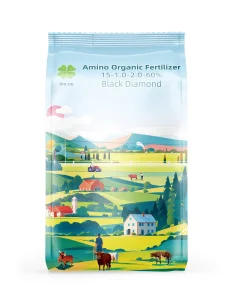
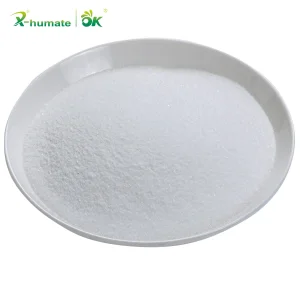
To overcome local climatic limitations, commercial farmers and state-led agronomic projects are shifting from basic commoditized fertilizers to specialized solid compound fertilizers fortified with sulfur, secondary micronutrients (Zinc, Magnesium, Iron), and organic biostimulants. Organic inputs such as cold-water-extracted seaweed flakes and water-soluble potassium humates act as soil-conditioning agents. They improve water retention in sandy soils, enhance soil microbial action, and chelate bound mineral ions to ensure sustained plant uptake. Through systemic sourcing from integrated manufacturing facilities, Namibian distributors can secure competitive advantages by delivering tailored products designed for local crop protocols (maize, table grapes, lucerne, and dates).

Linyi TH Environmental Technology Co., Ltd.

18 Years of Excellence in Fertilizer Synthesis & Global Supply Chain Engineering

As a global leader in advanced agronomic inputs, Linyi TH Environmental Technology Co., Ltd. specializes in the manufacturing, development, marketing, and comprehensive after-sales servicing of complex solid fertilizers. Spanning a state-of-the-art production footprint of 300,000 square meters, our facilities represent the cutting edge of industrial chemical engineering.

We boast an annual production capacity of 300,000 Metric Tons (MT). Our journey began with the installation of our first high-tower NPK granulation line in 2008, establishing a baseline of quality control and synthesis expertise that has scaled over 18 years. Today, we are a vertically integrated enterprise possessing independent research capabilities and global market competitiveness.

Our manufacturing matrix supports diverse physical and chemical formats to meet strict environmental and soil regulations worldwide. By utilizing high-tower chemistry, rotary drum methods, and cold extrusion technologies, we deliver homogenous products containing precise nutrient ratios in every single granule.
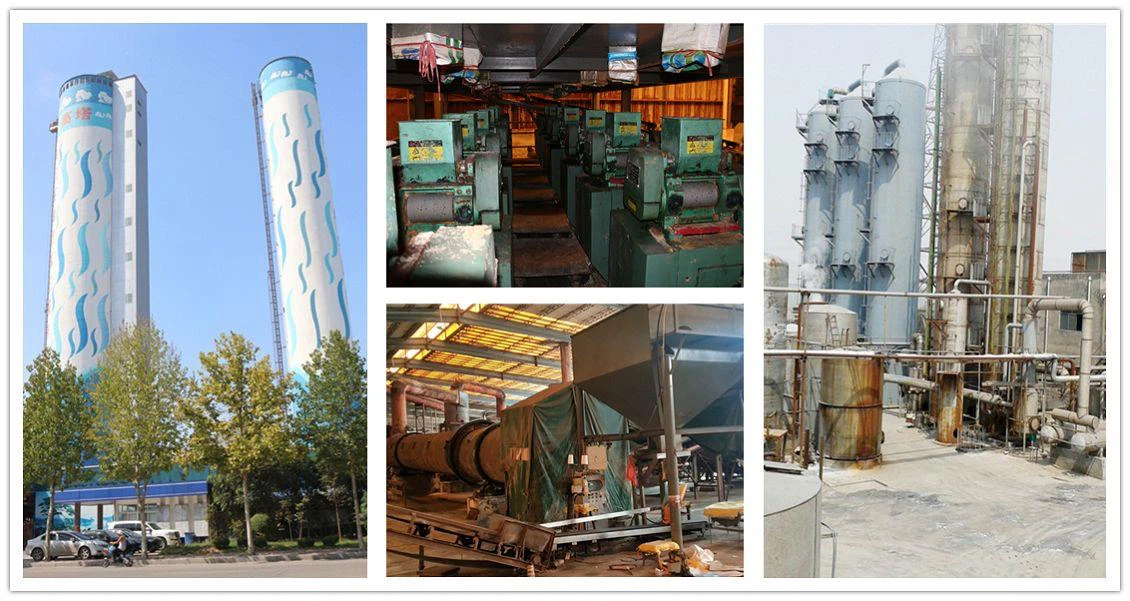
Linyi TH Environmental Technology Production Plant
300K+
Annual Capacity (MT)
300,000
Factory Footprint (SQM)
18+
Years Manufacturing Experience
2008
First High-Tower Line Commissioned

Advanced Production Lines & Synthesized Materials

Our manufacturing facility features six dedicated production channels to assure quality control, grain size uniformity, and chemistry optimization.

Advanced Manufacturing Infrastructure

To ensure high solubility and uniform mechanical properties, our plant operates six highly automated production setups:

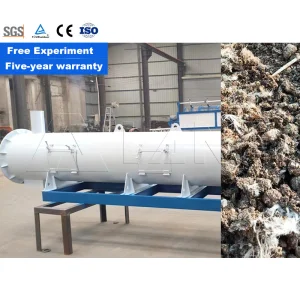
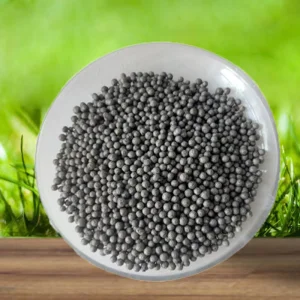
  • 2 High-Tower Granular Lines: Engineered for highly homogenous NPK compound fertilizers with excellent solubility and polished aesthetics.
  • 1 Rotary Drum Granular Line: Adapted for large-scale production of organo-mineral and standard chemical compound configurations.
  • 1 Extruding Granular Line: Used for cost-effective physical compaction without thermal degradation, perfect for organic matter preservation.
  • 1 Water-Soluble NPK Line: Optimized for crystalline dry powder mixes used in micro-irrigation, drip systems, and foliar feeding.
  • 1 Potassium Sulphate (SOP) Line: Manufacturing low-chlorine potassium inputs for salt-sensitive cash crops.
  • 1 Specialized Sulphate Synthesis Line: Dedicated to crucial micronutrient carrier blocks including Ferrous Sulphate, Magnesium Sulphate, and Zinc Sulphate.

Global Export Footprint & Agricultural Trust

Our solid fertilizer portfolios are systematically exported to global agricultural hubs including:

  • East & Southeast Asia: Japan, South Korea, Vietnam, Malaysia, Myanmar, Cambodia.
  • South America: Peru, Brazil, Chile.
  • Middle East & North Africa: UAE, Egypt, Iran, Saudi Arabia.
  • Sub-Saharan Africa: Kenya, Tanzania, and expanding supply partnerships throughout Namibia, Angola, and South Africa.

Our products have earned commercial acclaim for low moisture levels, anti-caking properties during ocean transport, and reliable release patterns under field conditions.

Technical Roadmap: Maximizing Nutrient Use Efficiency (NUE)

Innovative solid chemical designs tailored to prevent volatilization, leaching, and mineral locking in Namibia's soils.

Sustained Release & Humate Complexation

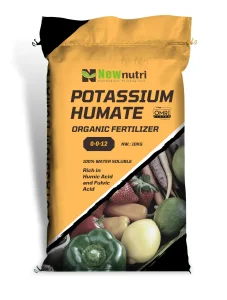
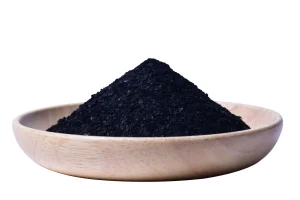
Our potassium humates and biological formulations use high-molecular-weight humic and fulvic acids. When combined in the soil, they complex with locked calcium ions, freeing up orthophosphate molecules for plant absorption. In sandy soils, these humate matrices increase water holding capacity by up to 30%, keeping nutrients near the root zone.

Micro-Particle Water Solubility

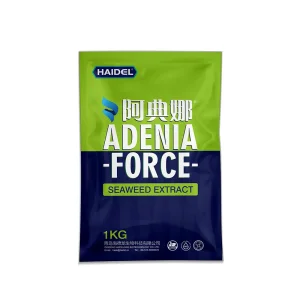
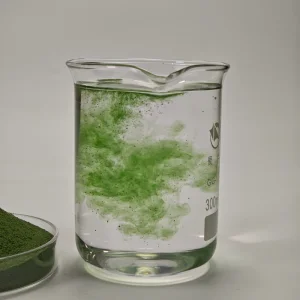
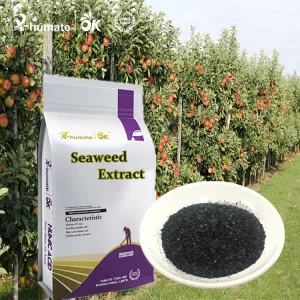
Our advanced seaweed extract powders and micro-particle formulations achieve rapid solubility without leaving residues. This makes them ideal for pivot-irrigation systems and drip fertigation blocks across Namibia's Green Scheme projects, eliminating the risk of emitter clogging while delivering precise nutrients directly to the root zone.

SADC Supply Chain: Port of Walvis Bay & Overland Corridors

Streamlined customs coordination, bulk shipping options, and moisture-controlled packaging engineered for African logistics.

Logistical reliability is critical for agricultural operations. For bulk buyers and state procurement offices in Namibia, we coordinate shipments via the Port of Walvis Bay. Utilizing the Trans-Kalahari and Trans-Cunene transport corridors, we ensure efficient transit to local distribution hubs in Windhoek, Tsumeb, and Keetmanshoop.

Our packaging solutions are specifically engineered for tropical and maritime transport. We use moisture-proof, multi-layered woven polypropylene (PP) bags with internal polyethylene (PE) liners, available in standard 25kg, 50kg, and 1,000kg/1,200kg jumbo bags. This packaging keeps fertilizers free-flowing and prevents caking during ocean transport and extended storage under high temperatures.

Custom SADC Product Specifications:

  • Moisture Control: Granular NPK moisture kept under 1.5% to prevent physical deterioration in warm climates.
  • Grain Consistency: Screened granular size (2.0mm - 4.75mm) at 90% min hardness for even machine application.
  • Compliance Support: Certificates of Analysis (COA), SGS inspection compliance, and import documentation verified prior to dispatch.

Expert Agronomic Q&A: Solid Fertilizers

Addressing procurement, formulation, and soil compatibility questions for commercial farming in southern Africa.

Q1: Which solid fertilizer formulation is best suited for the sandy, low-CEC soils of northern Namibia?
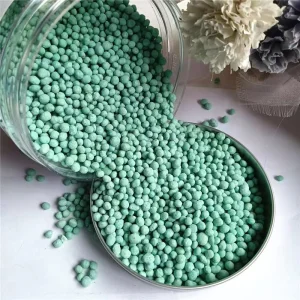
For sandy soils (such as those in the Kavango and Ohangwena regions), we recommend solid compound NPK formulations enriched with high organic matter, humic acids, and slow-release nitrogen (such as our Seaweed Compound Solid Fertilizer NPK 12-6-12). The organic compounds help bond nutrients within the root zone, reducing leaching caused by heavy rainfall or intensive irrigation.
Q2: How do your physiological acid solid fertilizers benefit calcareous (high pH) soils?
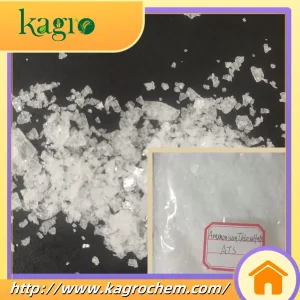
Calcareous soils in Namibia's Maize Triangle fix phosphorus and limit micronutrient uptake due to high calcium carbonate concentrations. Our physiological acid fertilizers (such as Potassium Humate and Ammonium Thiosulfate) create a micro-zone of lower pH immediately around the granules. This micro-acidification frees up locked phosphate and chelated zinc for root absorption.
Q3: What are the transit routes and delivery lead times for bulk shipping to Namibia?
Shipments are routed from our ports via container vessels directly to the Port of Walvis Bay. Transit times generally range from 30 to 40 days. From Walvis Bay, we coordinate road or rail transport through local logistics corridors to delivery points in Windhoek, Tsumeb, or southern agricultural hubs.
Q4: How do you prevent fertilizer caking and degradation during long ocean transport?
We use heavy-duty, UV-stabilized woven polypropylene (PP) bags with integrated polyethylene (PE) inner liners. Our granular materials undergo anti-caking surface treatment and strict moisture control (keeping free water under 1.5%). This ensures the fertilizer remains free-flowing even after crossing equatorial maritime routes.
Q5: Can your water-soluble solid fertilizers be applied via center-pivot irrigation systems?
Yes, our crystalline fertilizers, seaweed extract flakes, and organic micro-particles are designed for rapid, sediment-free dissolution. They dissolve completely in water without leaving residues, ensuring they will not clog nozzles, emitters, or filtration screens in modern pivot and drip irrigation setups.
Q6: Do you supply organic-certified inputs for sustainable agriculture?
Yes, we manufacture certified organic inputs, including our 100% Water-Soluble Seaweed Concentrate Flakes and Potassium Humate series. These products comply with international standards for organic agricultural inputs, providing natural biostimulants that improve plant stress tolerance and root system vitality.
Q7: Can you customize NPK ratios for specific commercial crop requirements?
With 2 high-tower granular lines and dedicated compound lines, we can custom-manufacture specific chemical ratios tailored to soil test reports. We offer optimized formulas for high-value crops, such as low-chloride potassium sulfate-based compounds for table grape vineyards in Aussenkehr.
Q8: How does Linyi TH Environmental Technology Co., Ltd. ensure consistent quality?
Quality control is backed by 18 years of manufacturing experience and ISO 9001 certification. Every production batch is analyzed in our QC laboratories. We also partner with international testing agencies like SGS to verify nutrient content, heavy metal limits, and physical properties before shipping.

Collaborate on High-Yield SADC Agriculture

Partner with Linyi TH Environmental Technology Co., Ltd. for reliable supply, custom formulations, and proven performance.

Send Inquiry Now