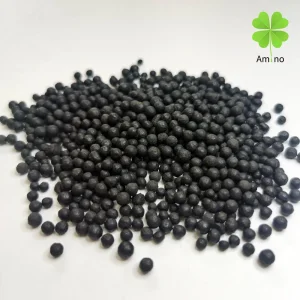
📋 Overview & Basic Info
Model NO.
Ammonium sulfate fertilizer
Application
Vegetables, Flowers, Fruit
Infection on Soil
Physiological Acid
Chemical Character
Chemical Acid
Type
Ammonium Nitrogen Fertilizer
📦 Product Description
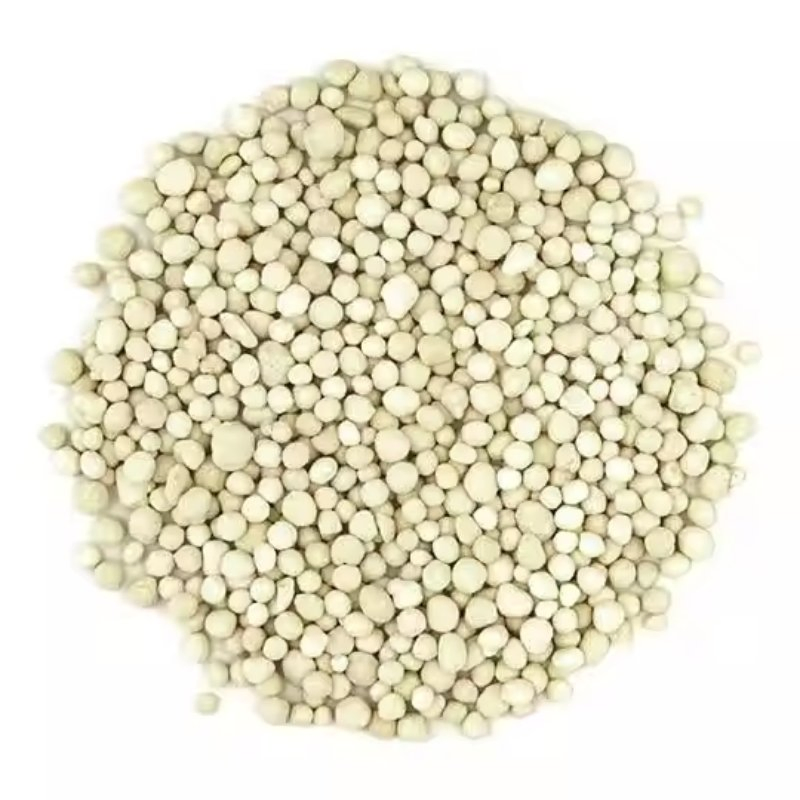
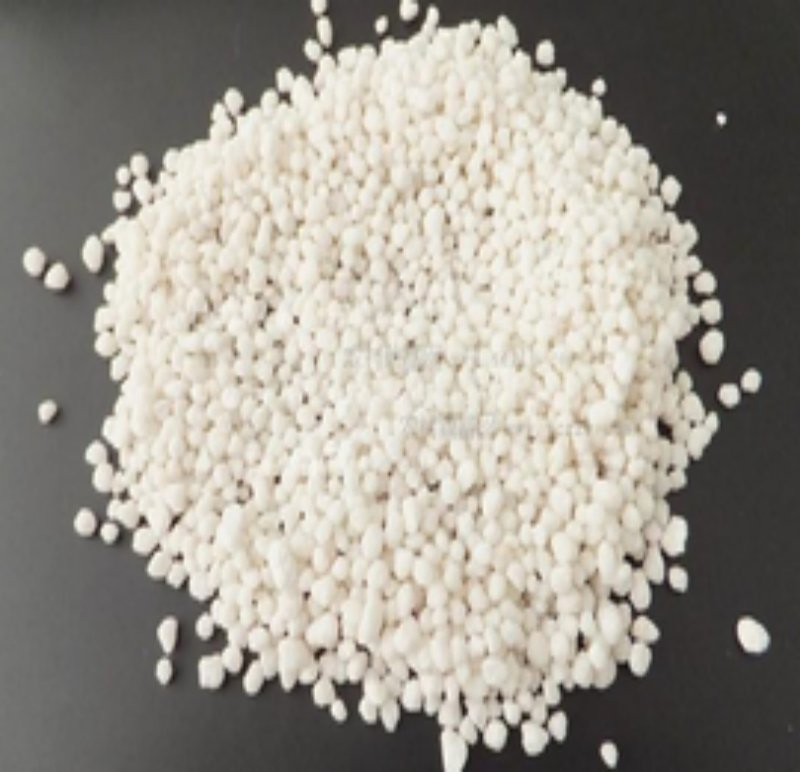
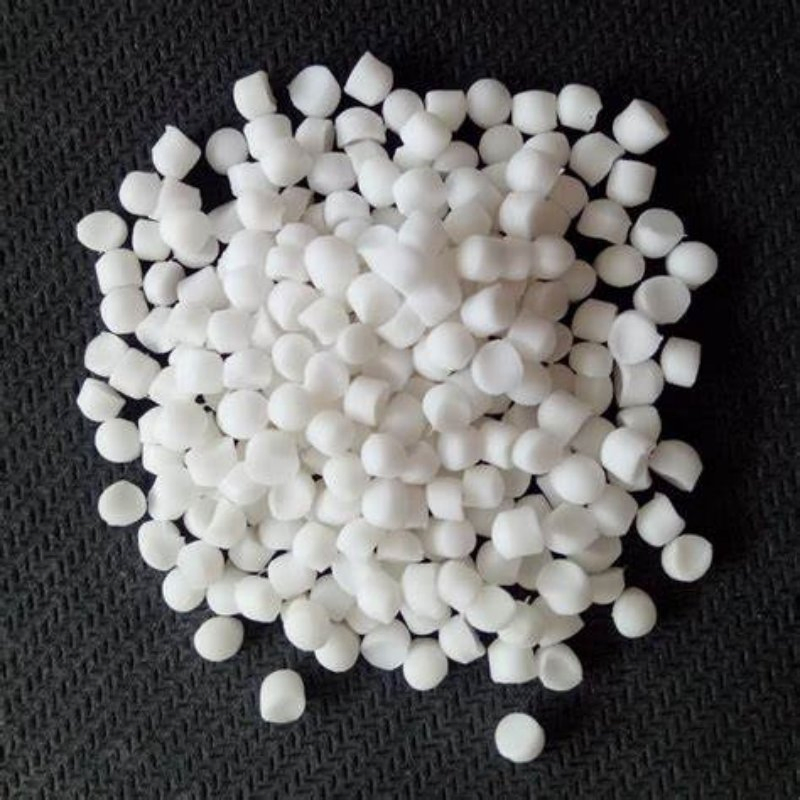
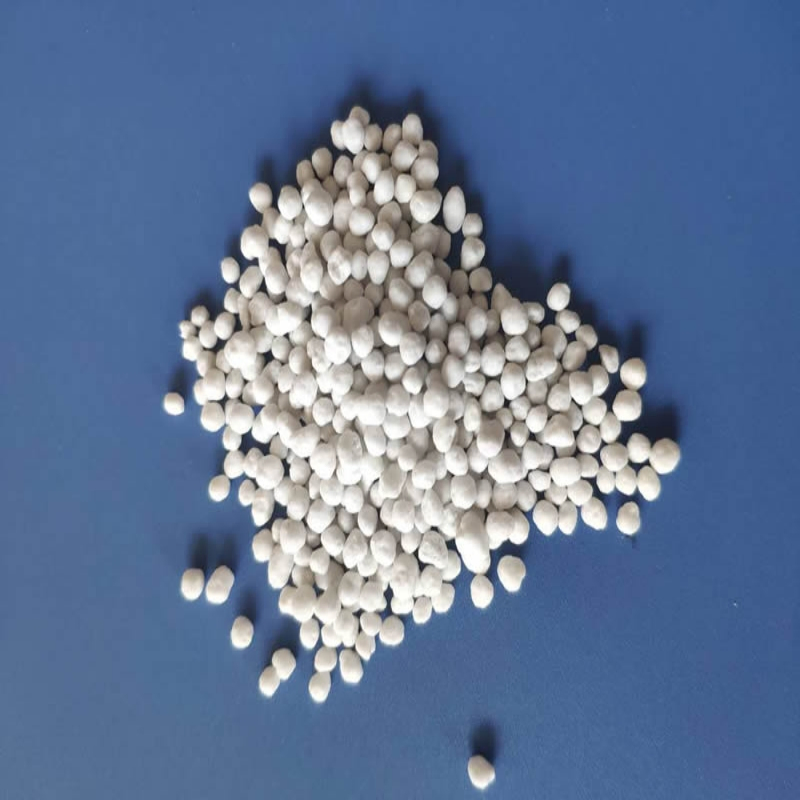
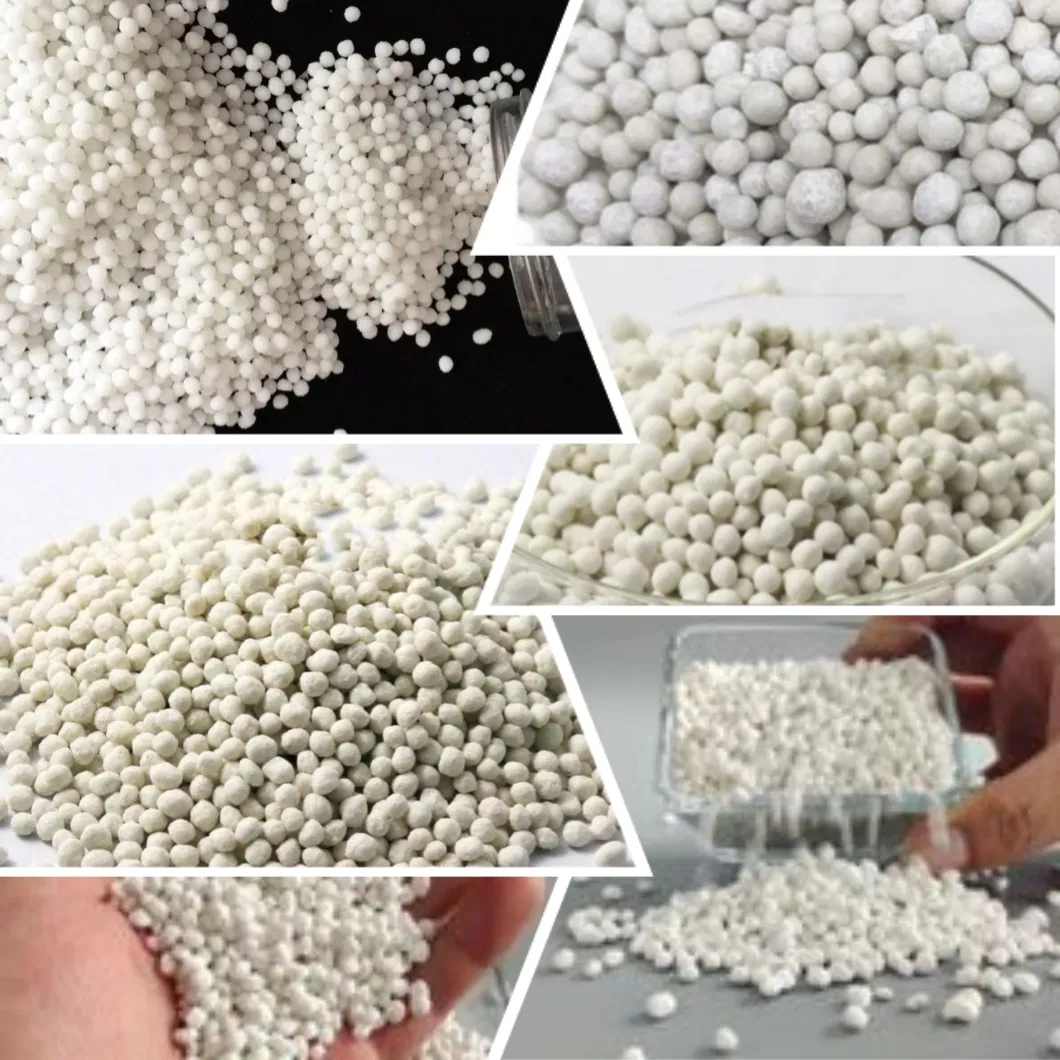
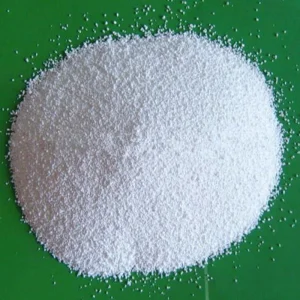
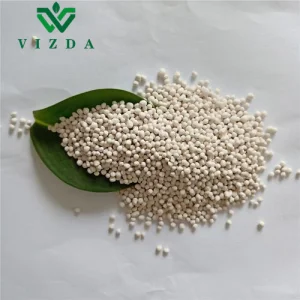
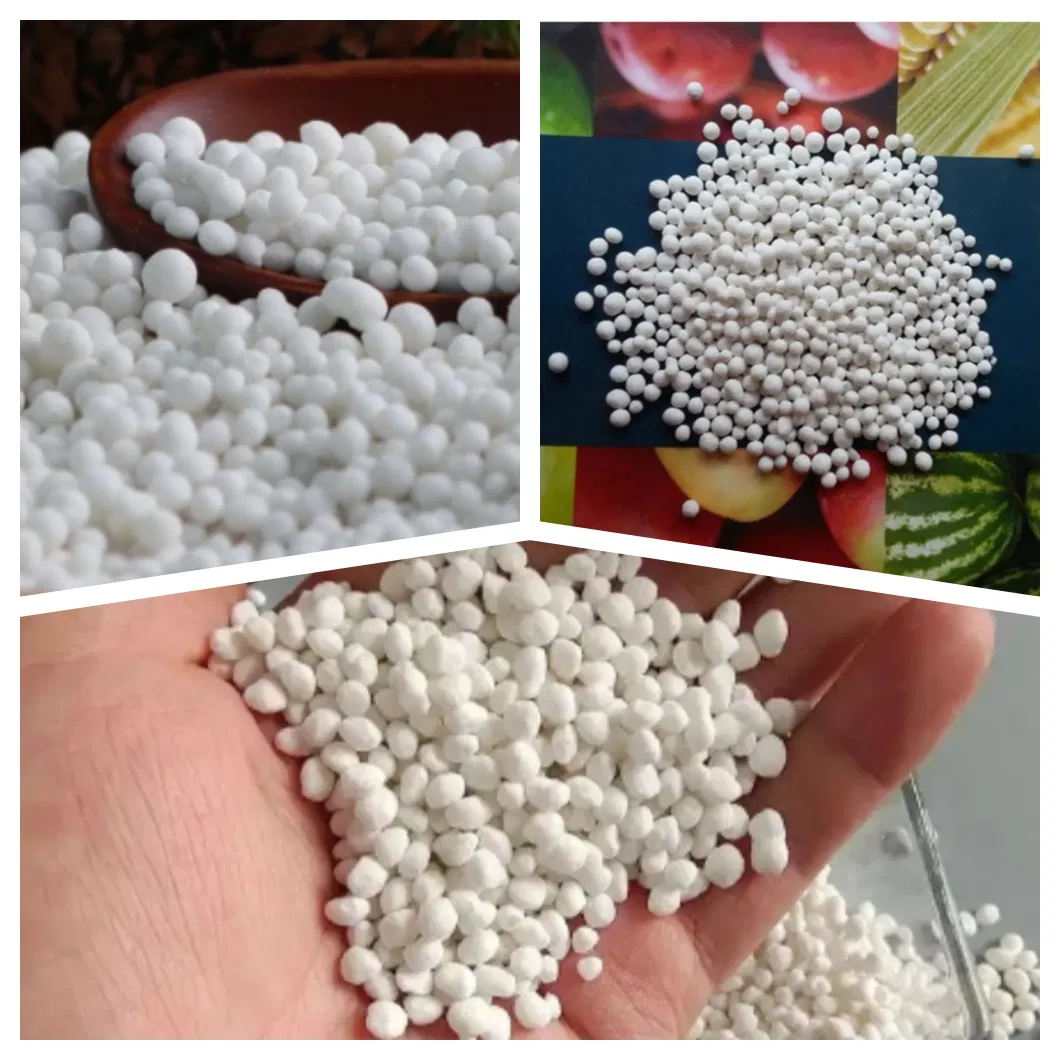
Ammonium sulfate is mainly used in places where the nutritional needs of growing plants require the supplementation of N and S. Since it only contains 21% N, there are other fertilizer sources that are more concentrated and more economical to handle and transport. However, it provides an excellent source of S, which has many essential functions in plants, including protein synthesis. It is one of the most popular inorganic nitrogen fertilizers in the world, with rapid release and quick action, effectively promoting the growth of grains. As a basal or supplementary fertilizer, it can be directly applied to various soils, seeds, and crops. It is highly suitable for rice, tea, grass, vegetables, and fruit trees.
| PH | 5.5 |
| Moisture | 1%max |
| Keyword | Ammonium Sulfate/Ammonium Sulfate 21% |
| Nitrogen | 21%min/20.5%min |
⭐ Product Advantages
- Rich in nutrients: It contains about 21% nitrogen and approximately 24% sulfur, providing two essential nutrients simultaneously.
- Quick-acting fertilizer effect: Dissolves rapidly; ammonium ions can be quickly absorbed by plant roots to meet growth needs.
- Soil improvement: In alkaline soil, it can lower soil pH and increase the availability of trace elements like iron and manganese.
- Good physical properties: Not easy to absorb moisture or cake, convenient for storage, transportation, and aerial fertilization.
- High cost-performance ratio: Affordable price with remarkable effects, reducing agricultural production costs.
🌱 Application
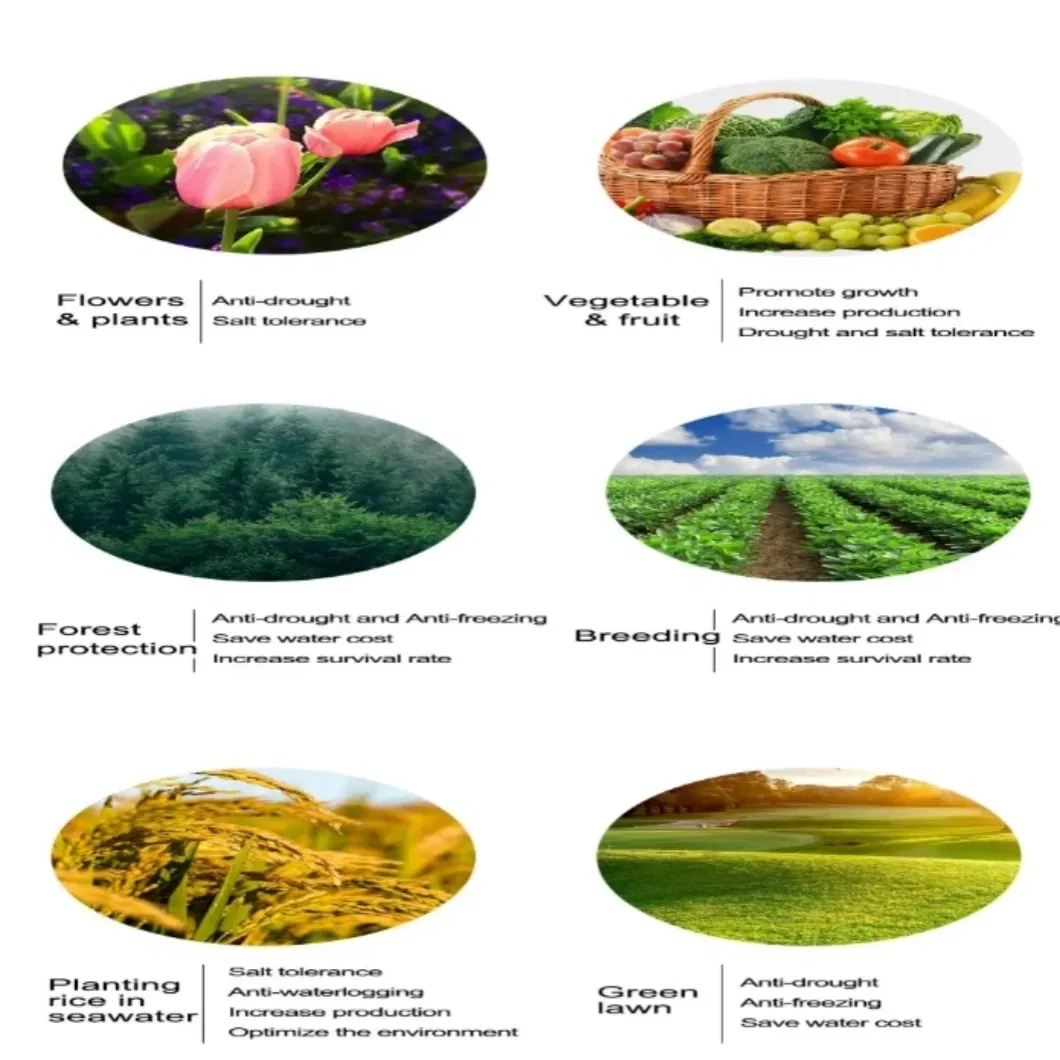
It is applicable to general soils and a variety of crops, such as wheat, corn, rice, cotton, sweet potatoes, bast fibers, fruit trees, vegetables, etc. It is especially suitable for neutral and alkaline soils. Long-term use on acidic soils may lead to soil acidification and compaction.
⚠️ Precautions
It cannot be in contact with or mixed with alkaline fertilizers or alkaline substances for application to prevent the volatilization and loss of nitrogen. Long-term application may increase the soil acidity. Some lime or organic fertilizers can be applied in appropriate amounts to improve the soil structure.

❓ Frequently Asked Questions (FAQ)
Q1: What is the main nutritional content of your Ammonium Sulfate?
A1: It typically contains 21% Nitrogen and approximately 24% Sulfur, making it an excellent dual-nutrient source for crops.
Q2: On which types of soil is this fertilizer most effective?
A2: It is highly effective in neutral and alkaline soils as it helps lower the pH level and improves trace element availability.
Q3: How fast does the fertilizer act on plants?
A3: It is a quick-acting nitrogen fertilizer that dissolves rapidly in the soil for immediate absorption by plant roots.
Q4: Can I mix Ammonium Sulfate with alkaline fertilizers?
A4: No, it should not be mixed with alkaline substances to prevent nitrogen loss through volatilization.
Q5: What are the available packaging options?
A5: We provide various packaging sizes including 25kg, 50kg, 500kg, and 1000kg bags to suit different logistical needs.
Q6: Is it suitable for long-term use on acidic soil?
A6: Long-term use on acidic soil may increase acidity; we recommend applying lime or organic fertilizers alongside it to balance the soil structure.