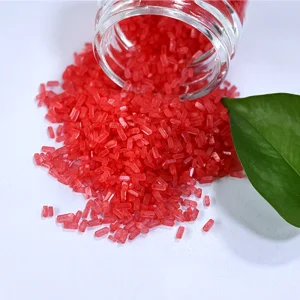
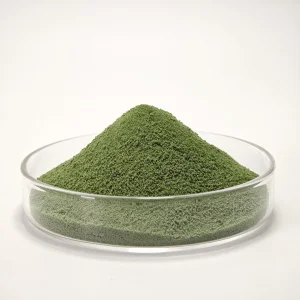
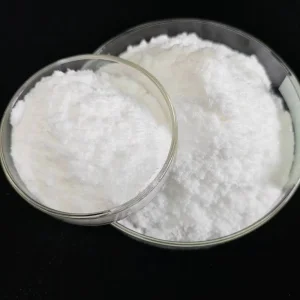
Optimized NPK compound structures designed to rapidly penetrate the crop canopy via drip irrigation and foliar sprays, minimizing nutrient immobilization in local Congolese soils.
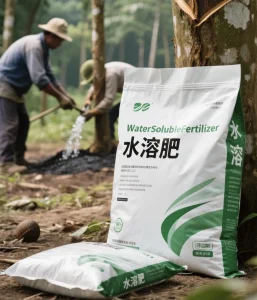
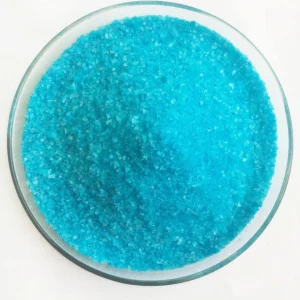
The Democratic Republic of the Congo (DRC) holds some of the world's most massive unexploited agricultural potential, with over 80 million hectares of arable land. However, modern commercial yield optimization remains constrained by nutritional deficiencies in soil chemistry. The Congo Basin features highly weathered, acidic soils (primarily Oxisols and Ultisols) characterized by low cation exchange capacity (CEC), significant leaching of nitrogen and potassium under torrential equatorial rains, and severe phosphorus fixation due to iron and aluminum oxides.
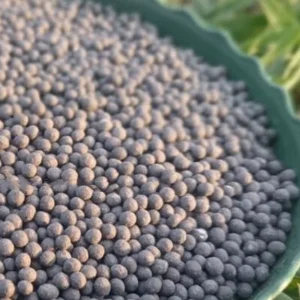
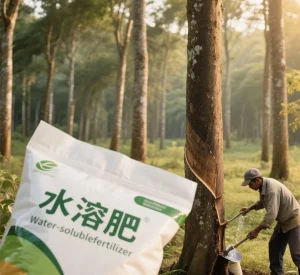
Traditional granular compound fertilizers applied via broadcasting frequently suffer from low utilization rates, as the active elements become locked or washed away before root absorption. Our Water Soluble Fertilizers (WSF) bypass these barriers. By facilitating fertigation (drip irrigation delivery) and foliar administration, these highly pure chemical formulations deliver macro and micro-nutrients directly into the rhizosphere or plant cuticle. This method drastically reduces soil contact time and immobilization, leading to a massive increase in nutrient use efficiency (NUE) across critical agricultural zones such as Kongo Central, Katanga, Kivu, and the Greater Ubangi region.
Tropical agriculture in the DRC requires more than standard NPK ratios. In highly weathered soils with a pH below 5.5, metal cations like iron, manganese, copper, and zinc become less available, while phosphorus bonds with aluminum to form insoluble compounds. Modern agricultural projects, from large-scale sugarcane plantations near Matadi to specialty cacao farms in Kivu, require scientifically balanced, chelated inputs.
We incorporate advanced chelating agents such as EDDHA, EDTA, and organic biostimulants (amino acids, humic substances) into our specialized product ranges. EDDHA-chelated iron remains stable and bio-accessible even in highly alkaline or acidic soil conditions, keeping the iron ion shielded from oxidation. Humic and fulvic acids act as natural soil conditioners, coating aluminum and iron oxide surfaces to liberate locked phosphates while aggregating soil structure to prevent nitrogen run-off.
Our EDDHA-Fe utilizes ortho-ortho isomer configurations (ranging up to 4.8% o-o) to provide maximum stability in highly variable soil matrices, preventing mineral precipitation in drip line systems.
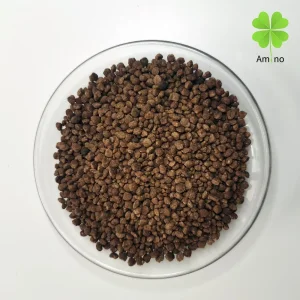
Our amino acid complexes act as natural chelating agents and penetration enhancers, lowering the surface tension of water drops to increase cuticle permeation by up to 34%.
Designed for advanced fertigation applications to enrich the soil structure, prevent structural degradation, and supply crop-critical macro elements.
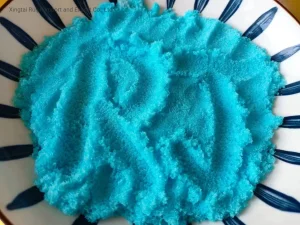
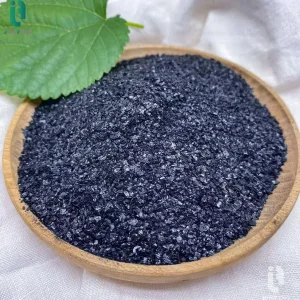
Across the international agribusiness spectrum, the move towards water-soluble fertilization has shifted from a specialty technique to a primary production standard. Rising global input costs, coupled with strict environmental limits on nitrogen run-off, have made the broadcasting of traditional commodity fertilizers less economically viable. Large-scale farming companies are tracking and measuring key indicators such as crop response speed, local soil quality impacts, and total investment return.
For import distributors in the DRC, supplying high-performance water-soluble fertilizers presents a major commercial advantage. Key crop markets like cacao in Equateur, coffee in North Kivu, sugarcane in Kongo Central, and intensive vegetable farming around Kinshasa require inputs that yield clear, visible results. Water-soluble products allow precise control over macro-nutrient ratios and secondary minerals like Magnesium and Iron throughout the growing season, preventing over-fertilization and optimizing nutrient delivery to match critical plant development stages.
Low salt-index raw materials help prevent salt accumulation in the root zone, reducing crop stress during dry spells in sub-Saharan regions.
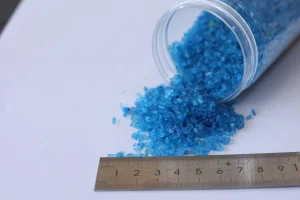
Includes balanced micronutrients (Zn, B, Mn, Mo) in highly stable chelated forms to correct deficiencies and support complete crop development cycles.
Formulated to dissolve quickly and thoroughly without leaving insoluble residue, preventing blockages in drip systems, emitters, and spray nozzles.
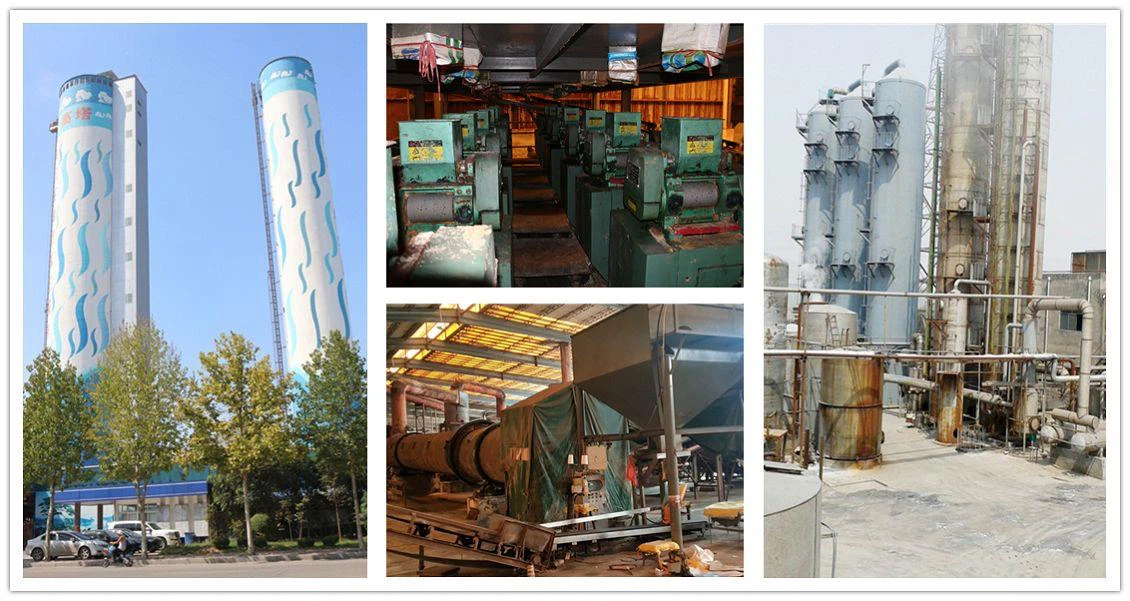
As a leading fertilizer manufacturer, Linyi TH Environmental Technology Co., Ltd. specializes in the manufacturing, development, marketing, and after-sales service of high-efficiency fertilizers. Our modern production complex spans over 300,000 square meters, yielding an annual fertilizer output capacity of 300,000 metric tons (MT). With our first NPK production line established in 2008 and 18 years of manufacturing experience, we have evolved into a technology-driven enterprise featuring independent research, design, and development capabilities.
Our infrastructure includes a range of advanced production systems: two high tower granulation lines, one rotary drum granulation line, one extrusion granulation line, one specialized water-soluble NPK production line, one potassium sulphate (SOP) production line, and one dedicated line for secondary minerals including ferrous, magnesium, and zinc sulphates. Through rigorous quality control systems and tailored formulations, we support farming enterprises worldwide, delivering reliable solutions designed to perform under challenging field conditions.
Shipping bulk agricultural inputs to Central Africa requires careful planning, strict compliance management, and durable packaging design. When delivering to the DRC, our logistics division coordinates export operations using primary shipping lanes: ocean freight terminating at the Port of Matadi for Western DRC, or transit routes through Dar es Salaam and Mombasa to service agricultural centers in the East (Goma, Bukavu, Lubumbashi).
We work directly with international monitoring agencies like SGS and Bureau Veritas to secure all required pre-shipment inspections and certifications (including the *Fiche d'Information à l'Importation* and OCC clearances). To protect fertilizer quality during sea transport and extended storage in high-humidity climates, we utilize multi-wall, UV-stabilized woven polypropylene bags lined with internal polyethylene barriers. This custom packaging shields dry formulations from moisture and clumping, ensuring the product arrives in optimal, ready-to-use condition.
To assist agronomists and farming managers, Linyi TH provides tailored nutrient protocols designed for the specific soil requirements and growth cycles of major crops in the DRC:
High-potassium formulations (like MKP 0-52-34 and custom high-K NPKs) applied during early tuberization (60-90 days post-planting) to optimize starch synthesis and yield density in sandy soils.
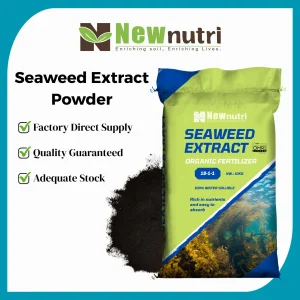
Balanced NPK 19-19-19 and 20-20-20+Te formulas combined with Seaweed Kelp Extracts to encourage robust flowering, reduce young fruit drop, and build resistance to fungal pressure.
Nitrate SOP-based NPKs paired with Fulvic and Amino Acids applied via fertigation to drive early vegetative growth and root system development under intensive cropping cycles.
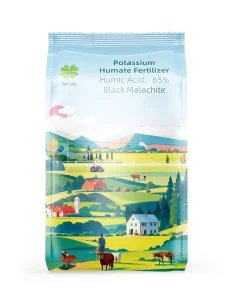
Linyi TH remains committed to continuous product development, adapting our formulations to match advancing agricultural practices. Our research division focuses on key innovation pathways to optimize nutrient delivery: incorporating organic biostimulants like enzymatic seaweed extracts and humate carriers directly into inorganic chemical complexes to improve root uptake efficiency.
We are also working to develop biodegradable chelation agents that minimize environmental accumulation while maintaining stable mineral transport under challenging soil conditions. Through advanced formulation research and rigorous testing, we continue to engineer products that help agricultural projects achieve high yields while protecting long-term soil health.
Essential technical details, mixing protocols, and logistics answers for commercial importers and agricultural managers in the DRC.
Our complete range of organic bio-stimulants, chelated trace elements, and high-solubility compound fertilizers for professional growers.

Looking for customized chemical formulations or bulk volume contract pricing?
Contact Our Technical Sales Team TH Fertilizer