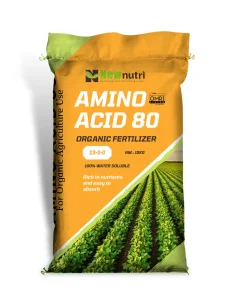
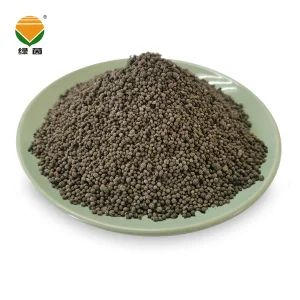
Explore our top-performing nutrient solutions designed to address specific crop deficiencies and soil traits in West Africa.
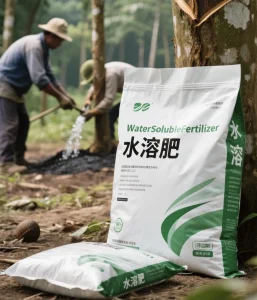
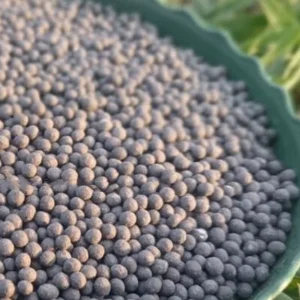
Agriculture remains the backbone of Togo’s national economy, contributing over 40% to its GDP and employing upwards of 60% of the active workforce. Under the framework of the Togo National Development Plan (PND), the government has prioritized agricultural modernization, striving to transition from subsistence farming to a high-value, export-oriented agribusiness hub. Key cash crops such as cotton, cocoa, coffee, and shea nuts, alongside essential food crops like maize, sorghum, cassava, and yams, dominate the agricultural topography.
However, Togolese soil management faces severe structural bottlenecks. Intensive agricultural practices combined with climatic shifts have triggered widespread soil degradation, nutrient depletion (particularly nitrogen, phosphorus, and zinc), and erratic rainfall patterns. Conventional granular fertilizers, often applied via broadcasting, suffer from alarmingly low Nutrient Use Efficiency (NUE). In tropical environments with heavy rains, volatile nitrogen compounds quickly leach into local water tables or escape as atmospheric emissions, while phosphorus binds permanently to local acidic clay soils, leaving crops starved of vital nutrition.
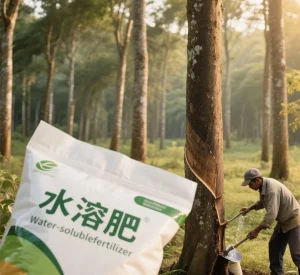
Modern commercial farming projects in Togo, especially those within the newly established agricultural development zones (ZAAP), are rapidly adopting micro-irrigation and foliar application techniques. Water Soluble Fertilizers (WSF) provide the ultimate solution to West Africa's nutrient challenges:
Linyi TH Environmental Technology Co., Ltd. - A Trusted Partner for Global Scale Agribusiness
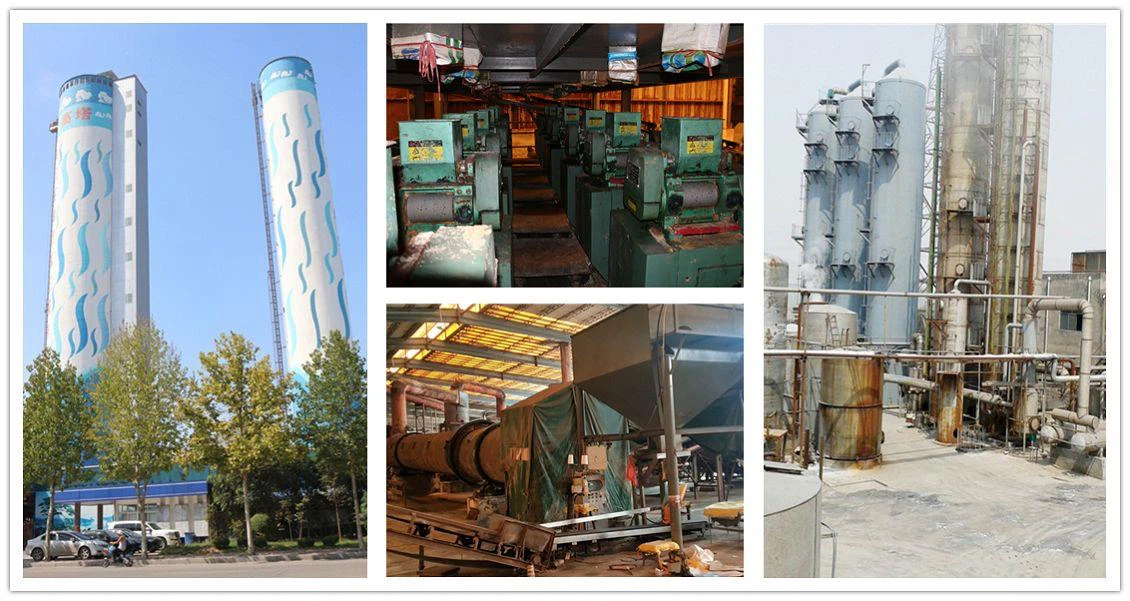
Linyi TH Environmental Technology Co., Ltd. specializes in the manufacturing, development, marketing, and after-sales service of high-performance fertilizers. Spanning an expansive 300,000 square meters, our state-of-the-art facility boasts an annual production capacity of 300,000 metric tons (MT).
Founded in 2008 with our first dedicated NPK line, we have spent nearly two decades refining our processes to become a modern enterprise backed by independent research and development capabilities. Our advanced industrial complex hosts six specialized production lines, including high-tower granulators, rotary drum lines, extruding lines, and specialized water-soluble NPK units.
Our global supply chain regularly serves key agrimarkets in South America (Brazil, Peru), Asia (Vietnam, Korea, Malaysia), the Middle East (UAE, Egypt), and Africa (Kenya, Tanzania, and now expanding heavily into the West African agricultural corridor via Togo).
Equipped with modern laboratories to customize trace elements (Zn, Fe, B, Mn, Cu) and organic biostimulants like amino acids and seaweed extracts.
Providing custom OEM printing, heavy-duty PE/PP anti-moisture bags, and palletized bulk packaging optimized for maritime transit to Lomé.
Every batch is certified for purity, heavy metals compliance, moisture level, and solubility index prior to leaving our port terminal.
Aligning soil microbiology, chemical chelates, and macro-elements to maximize agricultural ROI.
Our technical team designs formulation profiles that prevent soil lockout. Traditional inorganic blends can sometimes increase soil salinity or lock up essential trace elements. Our modern WSFs utilize organic-inorganic hybridization:
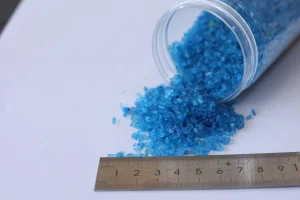
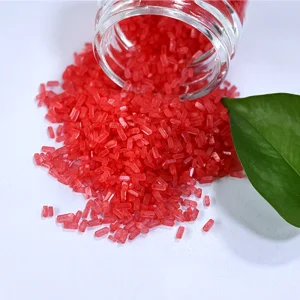
By complexing water-soluble NPK crystals with high-purity humic acids and 80% plant-derived amino acid powders, we stimulate root-zone biology. The organic molecules act as natural chelators, keeping nitrogen in the root-available ammonium/nitrate form for longer and ensuring the plant can absorb nutrients even during high-temperature spells.
For cash crops prone to chlorosis, such as cocoa pods and young citrus trees in southern Togo, standard iron sulphates are poorly absorbed due to fluctuating soil pH levels. We integrate 100% water-soluble EDDHA chelated iron, allowing high nutrient uptake even across challenging soils.
Many delicate cash crops like coffee and vegetables are highly sensitive to chlorine. Standard Potassium Chloride (MOP) can increase soil toxicity and stunt crop quality. Our premium nitrate and sulphate-based potassium formulations (SOP) ensure high-purity potassium supply without the risk of salt-burn, optimizing sugar translocation and yield size.
Our commitment to continuous innovation in environmental efficiency and smart farming technologies.
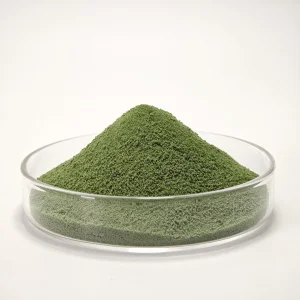
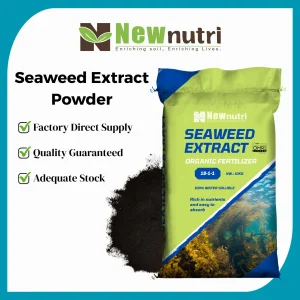
Integrating premium cold-water-extracted seaweed kelp powders directly into granular and crystalline NPK lines to boost natural plant immunity and heat stress resistance.
Developing specialized regional blends for West Africa, addressing high-salinity coastal soils and highly weathered laterite soils in inland Togo.
Implementing carbon-based slow-release coatings on highly soluble crystals to prolong the release period under warm tropical climates.
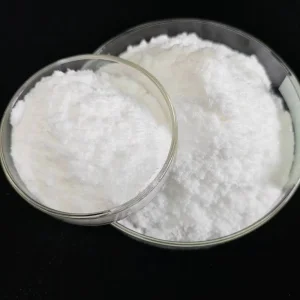
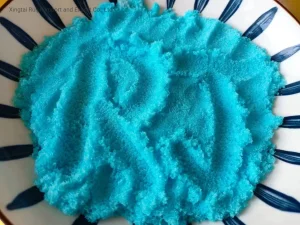
A comprehensive portfolio of fully soluble organic, mineral, and organo-mineral crop nutrition solutions.


Essential guidance on shipping, soil suitability, customization, and West African import procedures.
Get in touch with our technical sales team for personalized pricing, custom formulation design, and reliable shipping logistics directly to Togo.
Send Inquiry Now TH Fertilizer