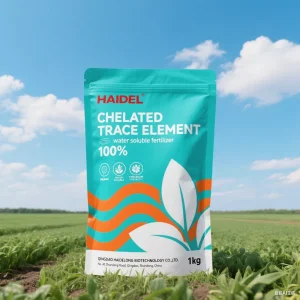
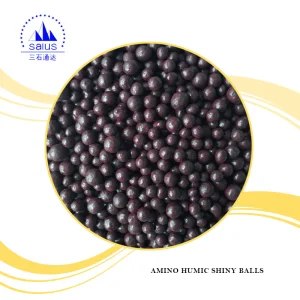
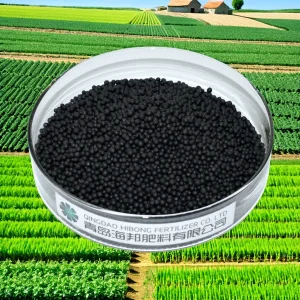
Direct from the factory: Premium marine extract solutions custom-blended to tackle high-leaching and acid soils in Central African coastal climates.

Equatorial Guinea, comprising the mainland region of Río Muni and the volcanic island of Bioko, has immense potential for agricultural diversification. Under the national economic roadmap, transitioning from oil dependency to resilient food and export crop cultivation is a top priority. However, local farmers face substantial climatic and geographical constraints.
The country experiences high annual rainfall, often exceeding 2,000mm on the coast and even higher on Bioko Island. This tropical climate accelerates soil weathering, causing severe cation leaching. Critical nutrients like nitrogen, potassium, and magnesium are washed away rapidly, leaving soils highly acidic, deficient in organic carbon, and prone to aluminum and iron toxicity.
Traditional synthetic chemical fertilizers alone cannot solve this; they leach out rapidly, contributing to high input costs and soil acidification. Marine seaweed extracts act as biological binders and soil conditioners. Packed with natural chelating agents like alginic acid, they lock essential minerals in the root zone and enhance the soil's water-holding capacity, offering an optimal foundation for sustainable agriculture.
Unlike raw mineral fertilizers, seaweed extracts contain high amounts of natural plant growth regulators (PGRs) including auxins, cytokinins, and gibberellins. These plant hormones stimulate lateral root development in tropical crop systems, dramatically expanding the root absorption surface area.
For major regional crops such as Cocoa (Theobroma cacao), Coffee (Coffea canephora), and staple crops like Cassava and Plantains, seaweed-based biostimulants improve stress tolerance against sudden dry spells (the *Harmattan* season) and mitigate fungal pathogens through natural plant defense mechanism elicitors.
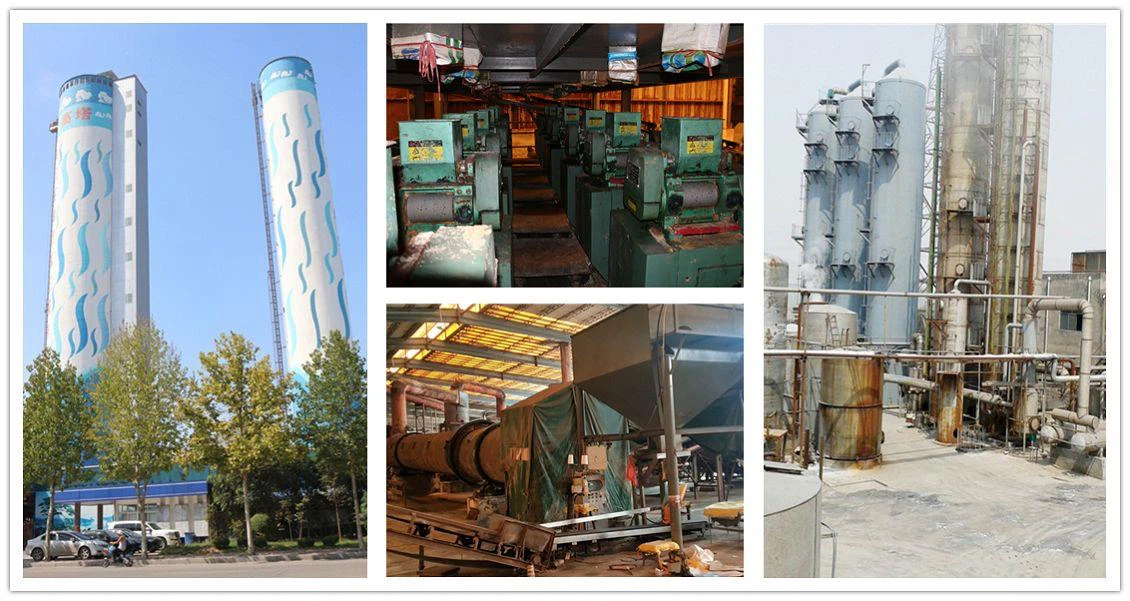
We specialize in the research, development, and mass-scale production of high-grade agricultural fertilizers. Our world-class manufacturing complex spans an impressive 300,000 square meters, boasting an annual production capacity of 300,000 metric tons (MT).
With over 18 years of specialized production experience since our first high-tower NPK production line launched in 2008, we have evolved into a modern biotechnology enterprise. We blend independent research with rigorous quality control, making our agricultural products highly competitive in international supply chains.
Our Comprehensive Industrial Production Lines Include:
Biotechnology is replacing excessive chemical applications worldwide. Discover how we tailor our products for Equatorial Guinea's distinct microclimates.
Equatorial Guinea's rain forests require careful ecological balancing. Our water-soluble seaweed extracts feed crops while promoting beneficial soil microflora. They prevent toxic runoff into local waterways and reduce agricultural carbon footprints.
By naturally chelating trace minerals (Fe, Zn, Mg, B, Ca), seaweed molecules shield these nutrients from binding to soil oxides. This ensures your crops can easily absorb vital micronutrients, even in soils with challenging pH levels.
High atmospheric humidity on the islands increases fungal disease risks for cocoa. Foliar spraying with seaweed-amino complexes strengthens plant cell walls, helping cocoa pods resist fungal entry and lowering bean loss rates.
Ensuring high biological activity through precise, non-thermal extraction and targeted agricultural formulation.
We source marine seaweed like *Ascophyllum nodosum* and process it using low-temperature enzymatic hydrolysis. This preserves heat-sensitive plant growth promoters, vitamins, and amino acids. Standard chemical hot-acid processes can denature these delicate compounds, but our method keeps them intact for maximum field performance.
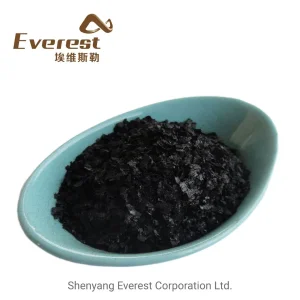
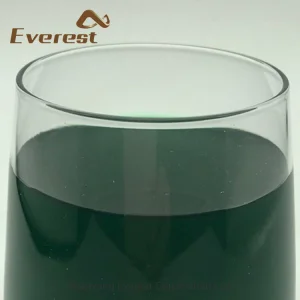
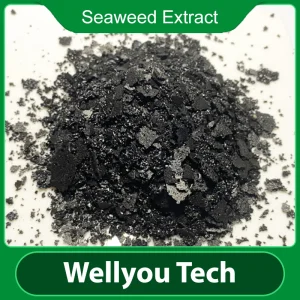
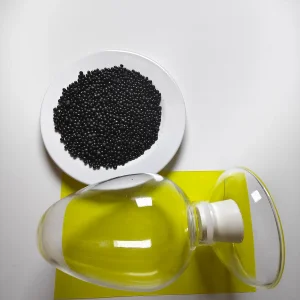
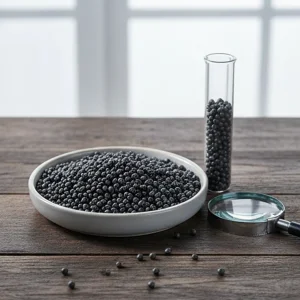
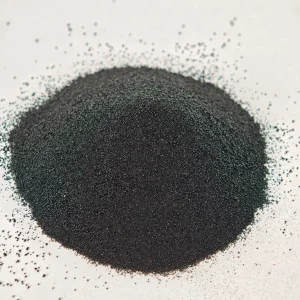
The resulting liquid is concentrated and spray-dried into 100% water-soluble powders and flakes, providing a highly concentrated product that is cost-effective to ship internationally and easy to store in warm, tropical conditions.
For a complete plant nutrition plan, we combine organic seaweed biostimulants with our high-tower mineral lines. We design custom ratios of NPK, Magnesium Sulfate, Zinc Sulfate, and Calcium to match the specific growth stages of tropical crops.
Adding organic matter to chemical nitrogen reduces volatilization and leaching. This means farmers can apply less fertilizer overall while enjoying higher crop yields and healthier soils over time.
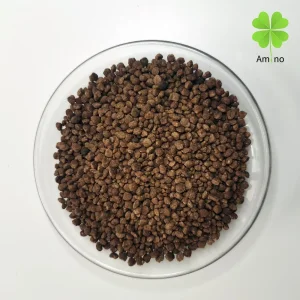
Discover our full range of seaweed-based, organic, and mineral compound fertilizers. These products are manufactured to strict international quality standards, ensuring reliable performance across Equatorial Guinea's diverse agricultural regions.
Our products are widely exported to Asian markets (Japan, South Korea, Vietnam, Malaysia, Myanmar, Cambodia) and South America (Peru, Brazil). We also maintain a strong presence across the Middle East (UAE, Egypt, Iran) and Africa, supplying agricultural hubs in Kenya, Tanzania, and beyond.
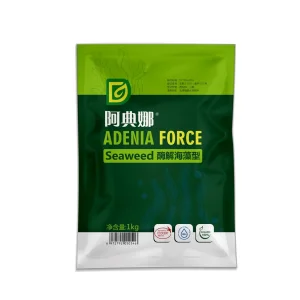
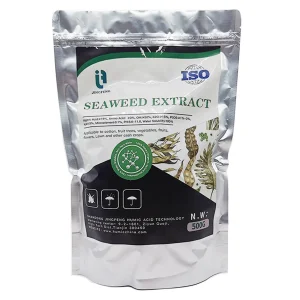
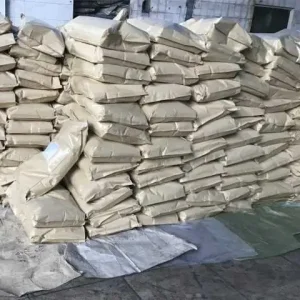
Equatorial Guinea is home to key ports like the Port of Malabo and the Port of Bata. We handle all export logistics, preparing products to withstand humid ocean transport and tropical port storage. We package our soluble powders and granular mixes in durable, moisture-resistant bags to guarantee shelf stability.
To ensure high standards from production to delivery, we offer comprehensive pre-shipment inspections and product customisation. Whether you are managing large state-run cocoa plantations on Bioko or distributing inputs to smallholder farming cooperatives in Río Muni, we customize packaging sizes and nutrient profiles to suit your needs.
Get expert answers to common questions about importing, mixing, and applying seaweed-based biostimulants in Equatorial Guinea.
Partner with an established fertilizer manufacturer. We provide custom formulations, reliable logistics, and competitive bulk pricing to boost crop performance across Central Africa.
Send Inquiry Now TH Fertilizer