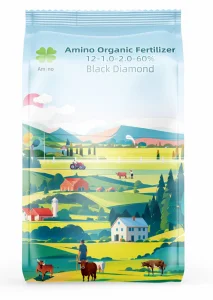
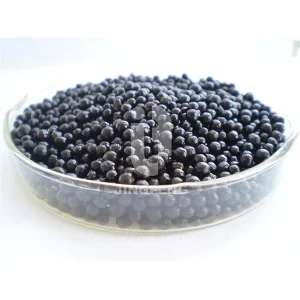
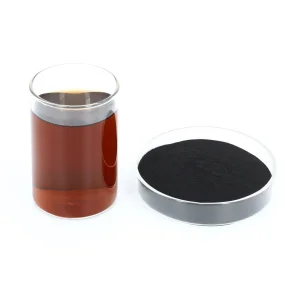
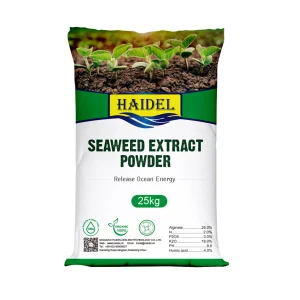
Advanced organic soil conditioners and nutrient-rich formulas developed to resist quick leaching and protect vulnerable marine environments.
The Republic of Maldives presents a highly unique and challenging terrain for crop cultivation, landscaping, and environmental conservation. Composed of coralline soils, the earth in Maldivian atolls is predominantly calcareous (pH levels ranging from 7.5 to 8.5), highly porous, and devoid of essential clay minerals or organic matter. This leads to immediate nutrient leaching where traditional chemical fertilizers fail, quickly washing away into the fragile coral lagoons and triggering devastating reef eutrophication.
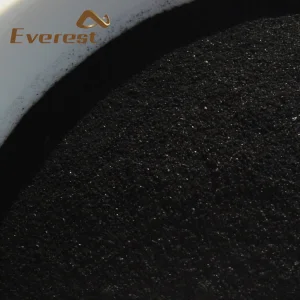
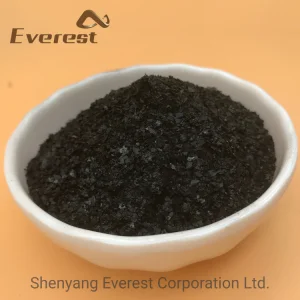
To establish resilient food production and sustain the pristine, lush flora expected by the high-end tourism industry, the Maldivian soil requires structural remediation. Humic substances and seaweed-based organic fertilizers represent the ultimate solution. These compounds provide a high concentration of organic carbon, forming a colloidal matrix that locks moisture and essential cations (such as Potassium, Ammonium, Magnesium, and Zinc) within the root zone, preventing chemical run-off and optimizing plant absorption.
Empowering local distributers, luxury resort groups, and municipal entities in the Maldives with direct-from-factory high-volume supply and premium custom formulations.
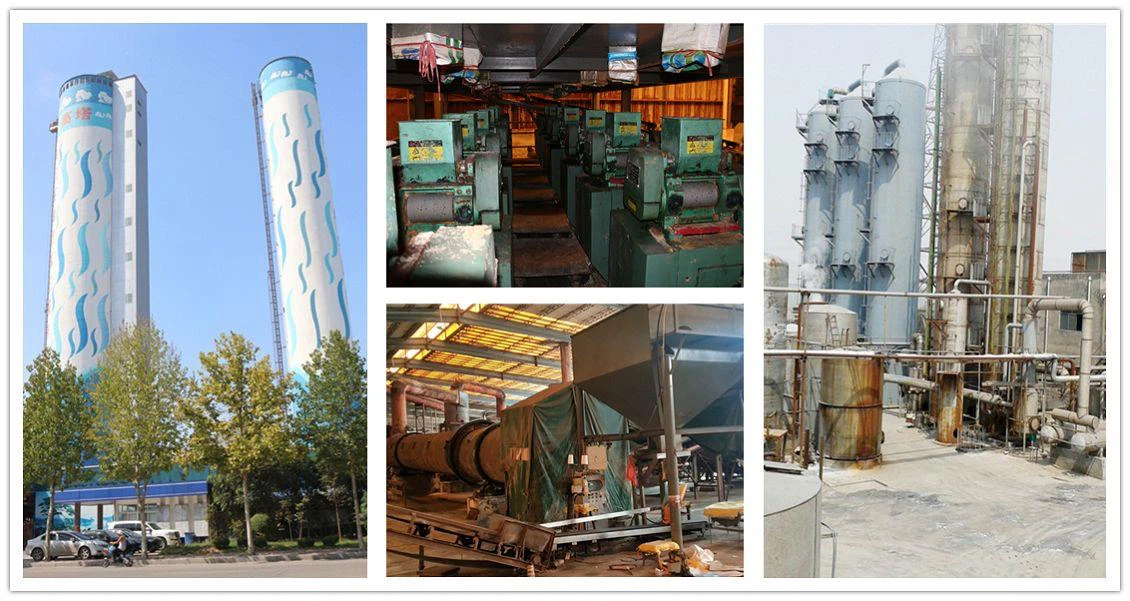
Our facility houses 2 high-tower granular lines, 1 rotary drum granular line, 1 extruding granular line, 1 water-soluble NPK line, 1 potassium sulphate line, and specialized sulphate trace element synthesis lines (Ferrous, Zinc, Magnesium) designed to combat Maldives soil chlorosis.
We supply custom formulations blending inorganic macros (NPK) with structural organic compounds (Humic/Fulvic Acids, Amino Acids, and Seaweed Extracted Alginates) tailored for coastal palms, resort turfgrass, and high-yield atoll hydroponics.
With massive manufacturing scale and robust export systems, we ship directly to Male Port, securing custom clearance documentation and adhering to local biological import controls enforced by Maldives Ministry of Fisheries & Agriculture.
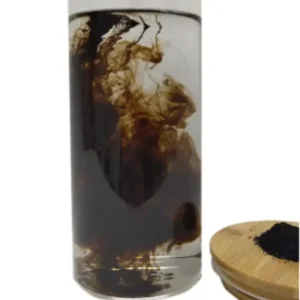
Ultra-refined, fast-absorbing organic compounds optimized for resort hydroponic gardens and precision foliar feeding systems.
Analyzing localized agronomic challenges in the Maldives and how our R&D pipeline is actively working towards more efficient agricultural realities.
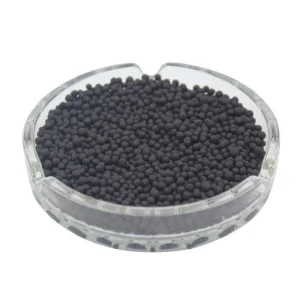
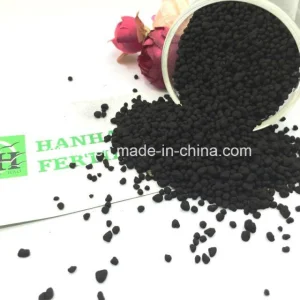
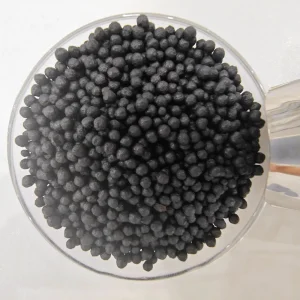
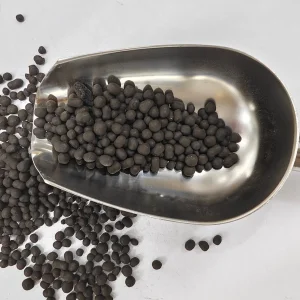
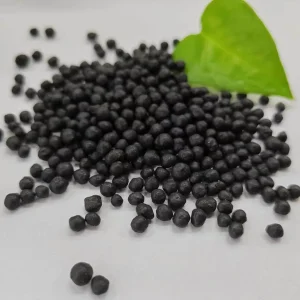
High-end resorts must maintain flawless golf courses, lawns, and tropical botanical displays. Due to ocean proximity, chemical inputs are highly regulated. Our humic acid and kelp granular products act as soil-conditioning sponges, binding nutrients right at the root zone, limiting irrigation needs by up to 30%, and eliminating toxic ocean runoff.
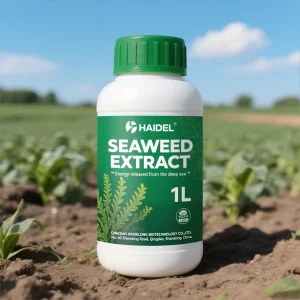
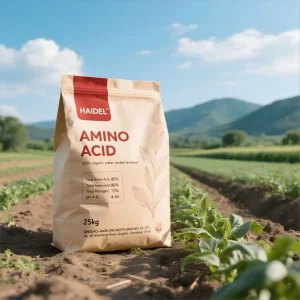
Farming in islands like Thoddoo and Kaashidhoo increasingly relies on protected farming and hydroponic frameworks to feed locals and tourists. Our 100% water-soluble seaweed and amino acid lines provide sterile, pathogen-free organic carbon and trace elements, guaranteeing hyper-localized vegetable and fruit production.
Our lab is actively designing "smart-release" biodegradable membrane coatings using natural bio-polymers. These slow-release mechanisms align nutrient dispersion with soil microbiological activity, creating a synchronous feeding pathway that maximizes fertilizer usage efficiency (FUE) in extreme tropical conditions.
Explore our diverse range of organic solutions engineered to maximize crop yield, recover depleted soil, and control soil-borne diseases.
How specialized organic carbon chelators break the nutrient lock-in caused by alkaline coral sand.
In highly alkaline calcareous soils typical of the Maldives, the abundance of calcium carbonate ($CaCO_3$) acts as a strong pH buffer, maintaining levels above 8.0. At this chemical stage, phosphorus reacts rapidly to form insoluble calcium phosphates, rendering both applied and organic phosphorus locked and unavailable for plant intake. Furthermore, critical micronutrients like Iron ($Fe^{2+}$), Manganese ($Mn^{2+}$), and Zinc ($Zn^{2+}$) undergo extreme oxidation, inducing severe plant chlorosis.
Linyi TH Environmental Technology’s targeted Humic Acid and Fulvic Acid derivatives act as macromolecular chelators. The numerous carboxylic and phenolic functional groups in humic compounds bind strongly to the divalent and trivalent metal ions. This creates stable, ring-structured organic-metal complexes (chelates) that remain water-soluble even at elevated pH levels, preventing precipitation. Consequently, root systems can easily absorb the organic-bound metal complexes, restoring photosynthesis, enzyme activation, and overall plant vitality.
By shifting the nutrition focus from direct NPK chemical dumping to complex organic carbon preservation, Maldives agriculture and resort forestry can build a sustainable closed-loop nutrient cycle that supports biodiversity, reduces input cost, and respects the delicate marine ecological boundaries.
Technical guidance and product application information for the Maldivian market.
Partner with Linyi TH Environmental Technology. Our agronomic experts will analyze your soil requirements and engineer custom organic solutions tailored for your agricultural or resort development.
Send Inquiry Now TH Fertilizer