Japan's agricultural landscape is undergoing a radical transformation. With the implementation of the "Strategy for Sustainable Food Systems" (MeaDR), also known as the Midori Strategy, the Japanese government has set ambitious goals to achieve zero CO2 emissions from the agriculture, forestry, and fisheries sectors by 2050. A key pillar of this strategy is the massive expansion of organic farming, aiming to increase organic cultivated land to 1 million hectares (25% of total farmland). This shift has placed Organic Fertilizer Factories & Suppliers at the heart of Japan's food security and environmental sustainability.
The Japanese market is increasingly favoring bio-stimulants and high-purity organic granules that integrate seamlessly with automated drone-spreading technology used in rural prefectures like Niigata and Nagano.
Compliance with the Japanese Agricultural Standards (JAS) for organic products is critical. Suppliers must provide full traceability and guarantee zero synthetic chemical contamination.
Modern Japanese farms utilize soil sensors that communicate with smart fertilizer injectors, demanding highly soluble and uniform organic formulas for real-time nutrient management.
As a leading partner for Japanese agricultural distributors, Linyi TH Environmental Technology Co., Ltd. has observed three major trends dominating the current industrial landscape:
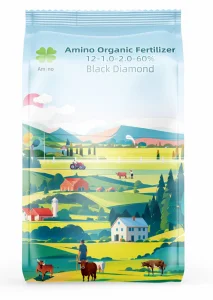
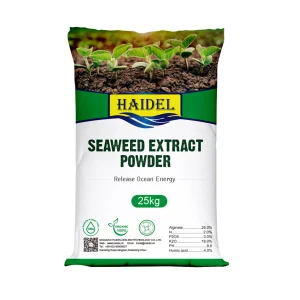
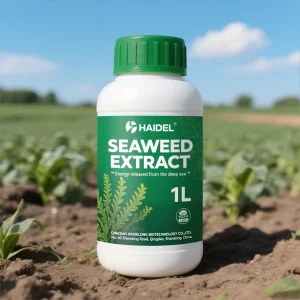
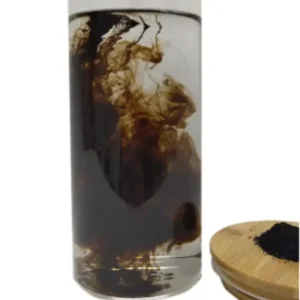
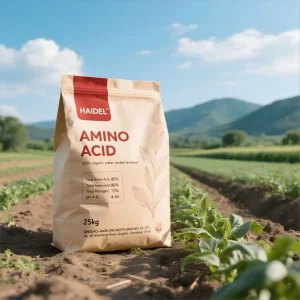
Japanese farmers are moving beyond simple compost. There is a high demand for amino acid-enriched organic fertilizers that provide immediate plant response. Our Seaweed Extract and Amino Acid powders are particularly popular in Aomori apple orchards and Shizuoka tea plantations, where crop quality (Brix levels and leaf texture) translates directly to market premium.
The integration of local organic matter with high-efficiency imported concentrates is a growing business model. Many factories in Japan now focus on "blending facilities" rather than primary synthesis, sourcing high-grade Humic and Fulvic acids from global specialists to enhance their local poultry and swine-based organic composts.
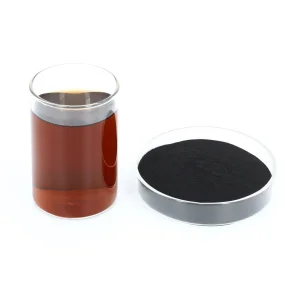
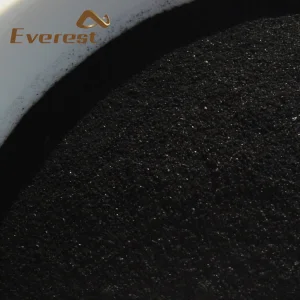
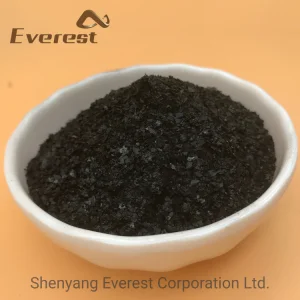
Decades of intensive chemical farming have depleted soil carbon in many regions. Organic fertilizers are now marketed as "Soil Health Conditioners." Products containing Potassium Humate are in high demand for restoring the volcanic "Andosols" prevalent across the Japanese archipelago, improving water retention and cation exchange capacity (CEC).
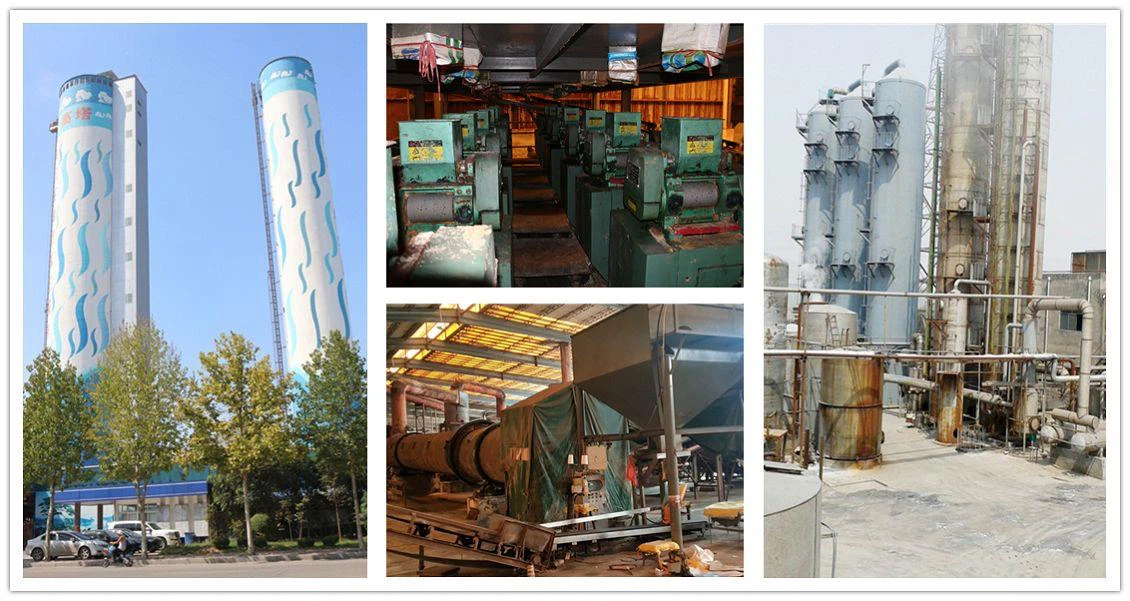
Linyi TH Environmental Technology Co., Ltd. specializes in the manufacturing, development, marketing, and after-sales service of high-performance fertilizers. With a sprawling 300,000 square meter facility and an annual production capacity of 300,000 MT, we have spent the last 18 years perfecting the science of plant nutrition.
Our commitment to the Japanese market is reflected in our specialized production lines. We operate:
After over 10 years of focused R&D, we have become a modern enterprise with independent research capabilities, ensuring that our exports to Japan meet the stringent quality and environmental requirements of the region.
Years Experience
Annual MT Capacity
Exporting Countries
Quality Guaranteed
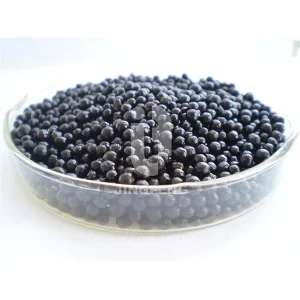
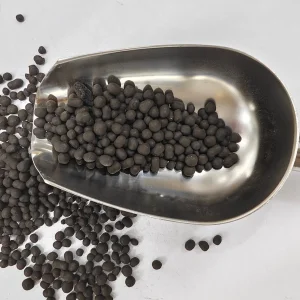
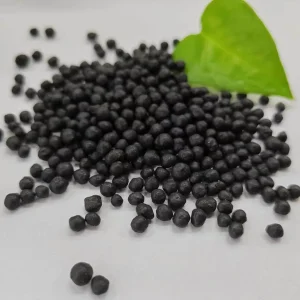
In the "Rice Bowl" of Niigata, our slow-release organic granules help maintain steady nitrogen levels without the leaching associated with synthetic urea, protecting local water quality.
For Amaou strawberries and premium melons in Kumamoto, our amino acid liquid fertilizers are used via fertigation to enhance fruit size, color, and sugar content.
Organic seaweed extracts provide the trace elements necessary for high-quality 'Umami' flavors in green tea, while humic acid improves the root structure of perennial tea bushes.
The Japanese agricultural sector values reliability and long-term partnerships. Linyi TH Environmental has built a robust supply chain that ensures timely delivery to Japanese ports such as Yokohama, Kobe, and Nagoya. Our fertilizers are widely exported to Japan, Korea, Vietnam, and beyond, earning a stellar reputation for consistency. We understand that for a Japanese distributor, a 1% variation in granule size can be a significant issue; therefore, our QC processes are aligned with international ISO standards and specific Japanese market expectations.
Our manufacturing fertilizers include: NPK Compound Fertilizer, Water Soluble NPK, Nitrogen fertilizers (ammonium sulphate/CAN), Potassium Sulphate, and essential micro-nutrient Sulphates. This diverse portfolio allows us to provide a "Full Nutrition Program" for any Japanese farm operation, from small-scale organic co-ops to large industrial plantations.
Join the ranks of successful Japanese farmers and distributors using our advanced bio-organic solutions.
Send Inquiry Now TH Fertilizer