Select, high-efficacy inorganic compounds formulated to trigger vegetative growth and root stability under challenging agro-climatic conditions.
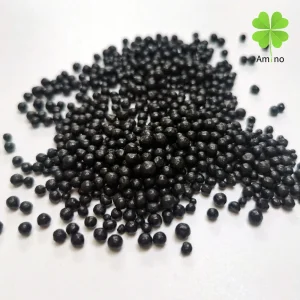
Lesotho’s agricultural landscape presents a highly unique set of challenges that demands specialized crop nutrition strategies. Characterized by high altitudes ranging from 1,400 meters to over 3,000 meters above sea level, the country exhibits distinct agro-ecological zones: the Lowlands, the Foothills, the Senqu River Valley, and the Mountain Highlands. Each zone features unique soil chemistry profiles and climatic stresses that directly affect the nutrient uptake of key crops such as white maize, sorghum, wheat, beans, and high-value deciduous fruits.
The major soil types in the arable Lowlands—primarily Duplex soils (characterized by sandy loam topsoils overlying dense clay subsoils) and Alfisols—are chronically low in soil organic matter (SOM) and severely depleted of essential macronutrients, particularly Nitrogen (N) and Phosphorus (P). Furthermore, due to heavy seasonal rainfall causing severe soil erosion and leaching on the steep slopes of the foothills and highlands, soils are prone to acidification. Soil pH levels below 5.0 are common, which triggers aluminum toxicity and locks up phosphorus in insoluble compounds, rendering it unavailable to plant roots.
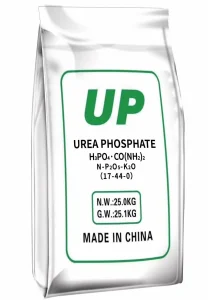
When standard water-soluble phosphate fertilizers are applied to acidic soils (pH < 5.5), orthophosphate ions rapidly bind with active aluminum and iron oxides. This forms highly insoluble minerals, rendering up to 80-90% of the applied phosphorus useless in the immediate crop cycle. Our 98% Premium Urea Phosphate and customized NPK blends resolve this by modulating the micro-environment pH around the fertilizer granule, keeping phosphorus active and absorbable by plant roots.
The global inorganic fertilizer market has undergone massive structural changes over the past decade. Supply chain volatility, driven by natural gas pricing (the raw material for Haber-Bosch nitrogen synthesis) and export restrictions from key global producers, has highlighting the critical need for robust, reliable manufacturing partnerships. For landlocked nations like Lesotho, securing a direct connection with high-capacity manufacturers is essential to ensuring domestic food security and price stability.
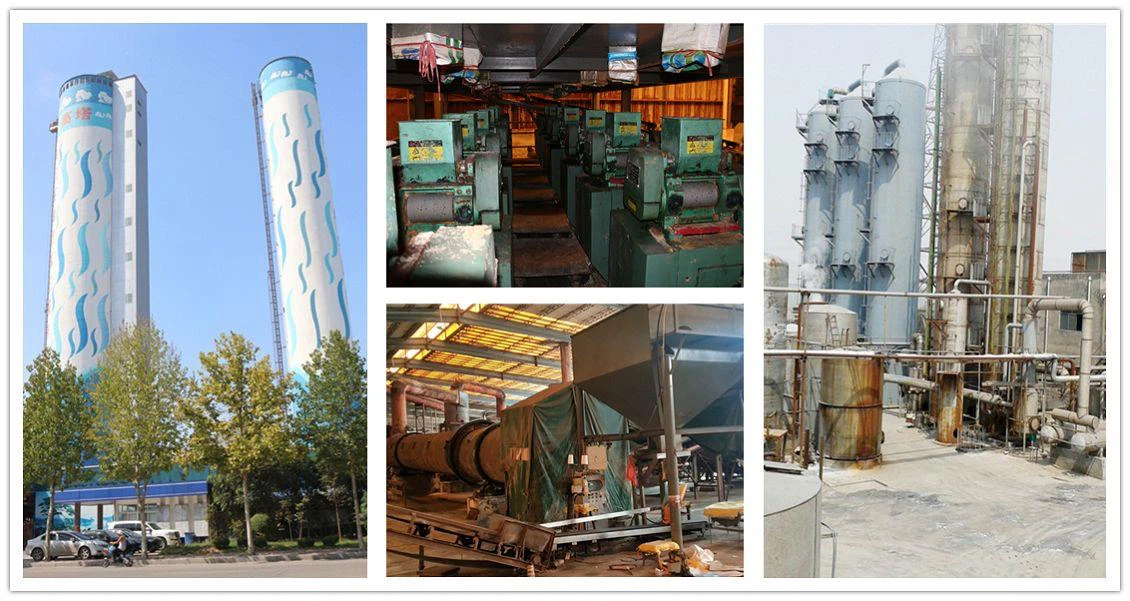
As a premier chemical enterprise, Linyi TH Environmental Technology Co., Ltd. leverages structural production advantages to buffer these global shocks. By operating massive high-tower and rotary drum granulation plants in China, we manage costs through raw material vertical integration. This efficiency translates to highly competitive pricing for our African supply chain partners. Rather than relying on multi-tiered brokers, distributors in Maseru, Maputsoe, and Leribe can work directly with our engineering teams to formulate, bag, and ship custom bulk orders directly via the Durban port corridor.
The global agricultural sector is transitioning away from bulk, un-targeted nutrient application toward Precision Fertilizer Technology. Key advancements that we are introducing to the African continent include:
We manufacture and supply fertilizers that enable local agronomists to practice the 4Rs: applying the Right Source of nutrients, at the Right Rate, at the Right Time, and in the Right Place. This minimizes nutrient runoff into the Caledon River basin and maximizes return on investment (ROI) for farmers.
To address the specific agricultural challenges of the Lesotho market, Linyi TH Environmental Technology Co., Ltd. implements a multi-tiered manufacturing methodology:
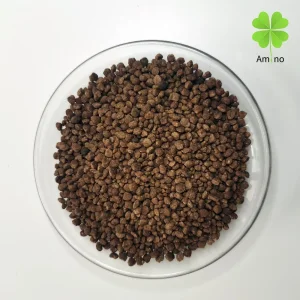
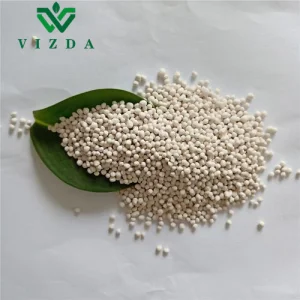
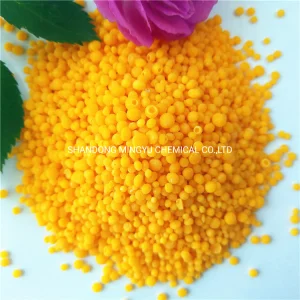
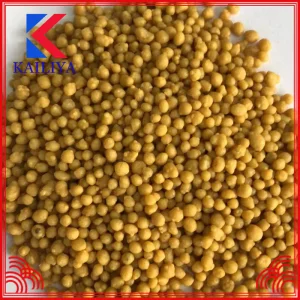
1. High-Tower Granulation: Using molten urea mixed with other nutrients sprayed from a high tower, we produce perfectly spherical, highly uniform granules with excellent physical strength. This prevents crushing and dust formation during long maritime and road transits from port to dealer warehouses in Lesotho.
2. Rotary Drum Homogenization: For complex, multi-nutrient compound formulations, our rotary drum lines ensure that every single granule contains the identical ratio of N, P, K, and secondary nutrients, preventing nutrient segregation in the field.
3. Controlled Acidification Technology: By incorporating urea phosphate and ammonium sulfate into our blends, we lower the localized soil pH in alkaline soils, or buffer the immediate zone in acidic soils, promoting optimal uptake of phosphorus and metallic micronutrients.
Establishing resilient agricultural distribution channels throughout the Southern African region requires customized logistical and chemical processing approaches.
We assist major agricultural co-operatives and government bodies in Lesotho by offering custom lab analysis. We adapt NPK ratios specifically targeting local zinc, sulfur, and boron deficits.
Utilizing robust 25kg, 50kg, and 1000kg (tonner) moisture-barrier PP/PE woven bags, we prevent humidity degradation during transit along ocean lanes to South Africa and inland rail/road routes to Lesotho.
All our exports fully conform to the import standards of the Lesotho Ministry of Agriculture and Food Security and the South African Customs Union, backed by certified SGS inspections.
Established with a commitment to ecological chemistry and industrial efficiency, Linyi TH Environmental Technology Co., Ltd. is a modern developer and manufacturer of advanced agricultural fertilizers. Covering an expansive 300,000 square meters factory footprint, our facility supports a massive annual production capacity of 300,000 metric tons (MT).
Since building our first advanced NPK production line in 2008, our team has accumulated over 18 years of manufacturing and R&D experience. Today, our facility operates multiple high-technology production assets:
This wide array of equipment enables us to supply complex, customized fertilizers to international markets, ensuring agronomic excellence and logistical dependability.
Explore our comprehensive, high-efficacy formulations engineered to improve harvest outcomes and soil structure across Lesotho’s agricultural sectors.
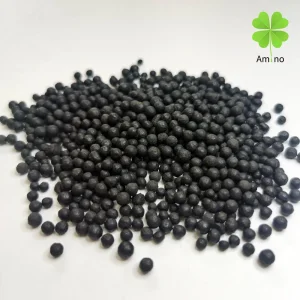
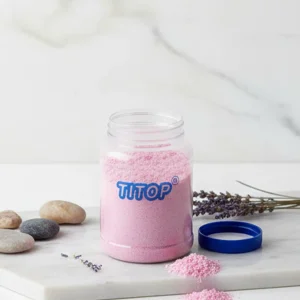
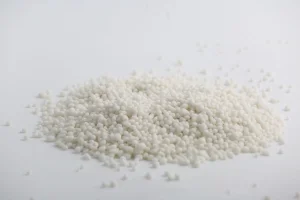
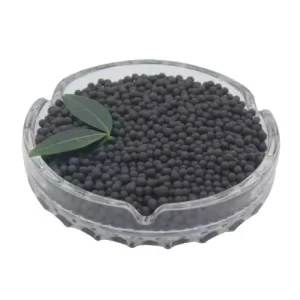
Clear, detailed answers regarding shipment logistics, customized formulations, and crop applications for the southern African markets.
For acidic highlands where soil pH drops below 5.5, standard DAP or urea can sometimes underperform due to phosphorus locking and nitrate leaching. We recommend utilizing our 98% Premium Urea Phosphate or a customized NPK Water-Soluble Potassium Sulfate Based Fertilizer (like NPK 22-9-10). These sulfur-based chemical matrices temporarily acidify the immediate rooting microzone without raising overall soil acidity, which actually aids in keeping phosphorous and essential trace elements soluble and fully available to the root systems during the early vegetative and root development phases.
Our logistical pipeline is optimized for landlocked southern African nations. We ship in secure containers (20GP/40GP) directly from major ports in China to Durban Port in South Africa. From Durban, the cargo is transferred via road freight or rail straight to Maseru, Maputsoe, or other major centers in Lesotho. To ensure the chemical and physical integrity of the fertilizer during maritime transit across high-humidity zones, we package all shipments in double-lined, heavy-duty PP/PE woven bags with built-in moisture protection.
Yes. With our 18 years of technical manufacturing experience and 5 specialized production lines, we have the agility to formulate custom NPK ratios with added micronutrients (such as Zn, B, Mg, and Fe). If your agricultural cooperative or district has specific soil lab test results showing depletion of specific minerals, our R&D department can configure a targeted chemical recipe to correct those local deficiencies. A Minimum Order Quantity (MOQ) applies to customized chemical configurations to facilitate production line calibration.
Pure chemical fertilizers provide immediate, concentrated doses of macronutrients but can lead to long-term soil structure breakdown and mineral depletion if organic matter is ignored. Our Biological Organic and Inorganic Compound Fertilizers bridge this gap. They deliver the immediate nutrient punch needed for rapid crop start-up while simultaneously feeding beneficial soil microbes and improving the Cation Exchange Capacity (CEC) of sandy lowlands soils, ensuring the soil remains fertile and resilient against droughts.
Absolutely. All exported fertilizers from our factory are subject to international inspection protocols. We regularly work with third-party testing institutions such as SGS, Intertek, and CCIC to verify nutrient concentration percentages, moisture ratios, and the absence of harmful heavy metal contaminants. We provide comprehensive bills of lading, certificates of origin, phytosanitary certificates, and analysis reports required for clean customs clearance at the South African and Lesotho borders.
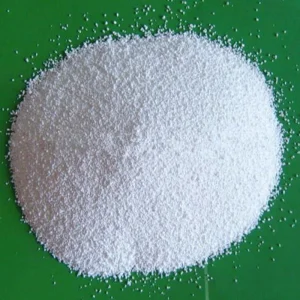
Our granular fertilizers have a shelf life of up to 2 to 3 years when stored in a cool, dry warehouse environment, away from direct sunlight and excessive humidity. Because we use high-pressure tower crystallization and rotary drum hardening methods, our granules maintain their physical structure and resist caking during storage. Our water-soluble powders are packaged with high-barrier inner plastic liners to prevent air exposure and block humidity absorption, assuring excellent solubility even after long storage durations.
 TH Fertilizer