Premium compound formulations designed to overcome island cultivation challenges, including high leaching, sand salinity, and rapid organic degradation.
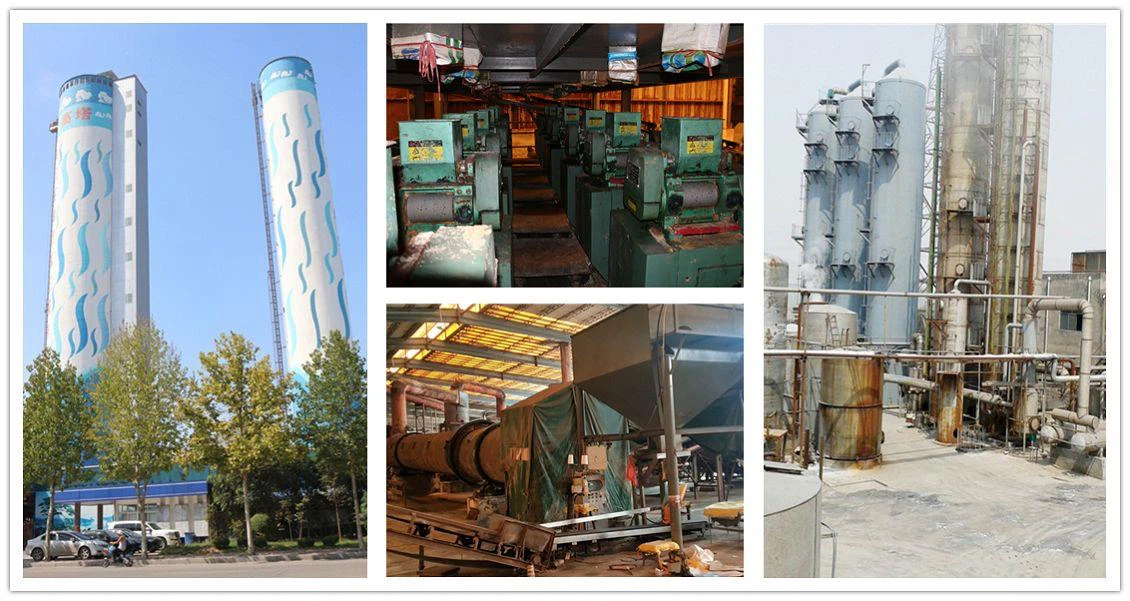
Linyi TH Environmental Technology Co., Ltd. specializes in the manufacturing, development, marketing and after sales service of fertilizer. Our factory covers an extensive area of 300,000 square meters, boasting an annual production capacity of 300,000 metric tons (MT).
With a heritage dating back to 2008 when we built our first state-of-the-art NPK producing line, our company brings over 18 years of manufacturing experience to global agriculture. We are an integrated modern enterprise with dedicated research and design facilities, driving agronomic breakthroughs for tropical soils globally.
A comprehensive engineering brief on soil mineralization, global logistics, and local tropical crop scenarios.
The agricultural zones across Seychelles' principal islands—Mahé, Praslin, and La Digue—exhibit stark differences from continental landmasses. The soils are broadly classified into two dominant profiles: the highly weathered granitic soils found in mountainous terrains and the carbonate-rich, alkaline coralline sands typical of the flatter, low-lying coastal plains and outer islands.
Granitic soils are naturally acidic, with low nutrient-retention capacity due to intense tropical weathering and torrential rainfall. Leaching of key mineral salts—especially nitrate-nitrogen, highly soluble potassium, and boron—occurs rapidly. This creates a chronic deficiency that traditional bulk-blended fertilizers cannot mitigate, as the nutrients wash away before root absorption.
Coralline sands, on the other hand, feature high pH values, often ranging from 7.8 to 8.5. This alkaline environment locks up critical trace elements, particularly Iron (Fe), Zinc (Zn), and Magnesium (Mg). Applying standard compound NPKs on these sands leads to phosphorus immobilization and severe micronutrient chlorosis.
Globally, the fertilizer industry is shifting from mechanical physical mixtures to chemically bound compound granules. By utilizing High-Tower Melt Granulation, manufacturers ensure that every individual granule contains the exact ratio of N, P, and K. This prevents segregation during ocean shipping and manual field distribution.
Additionally, the incorporation of organic synergists—such as seaweed extracts (humic and fulvic acids) and beneficial microbes—into inorganic chemical matrices is now the gold standard. These bio-stimulated compound fertilizers increase fertilizer use efficiency (FUE) by up to 35%, reduce run-off into marine environments, and preserve coral reef integrity near islands.
| Fertilizer Technology Route | Nutrient Homogeneity | Leaching Mitigation Rate | Key Island Application Crop |
|---|---|---|---|
| High-Tower Melt Granulation (Nitro-based) | Extreme (>99% Uniformity) | Medium-High (Rapid release with low residue) | Leafy Vegetables, Bananas, Tea |
| Rotary Drum Chemical Granulation (Sulfur-based) | High (>95% Uniformity) | High (Slower release, ideal for saline coastal zones) | Cinnamon, Vanilla, Coconut Palms |
| Organic-Inorganic Seaweed Complexes | Variable (Dependent on binder) | Maximum (Complexes bind nutrients to soil matrix) | Ecological Farming, Horticulture Resorts |
Seychelles relies significantly on imported agricultural inputs. To secure food independence and support its high-value eco-tourism resorts, importing agricultural agencies require:
Operating state-of-the-art chemical synthesis and granulation plants to deliver global export-standard fertilizers.
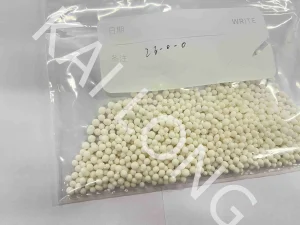
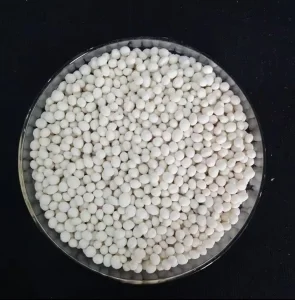
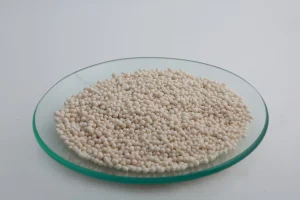
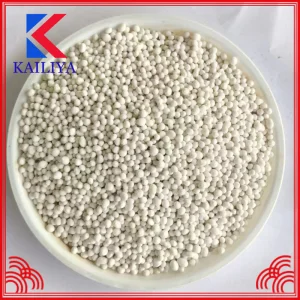
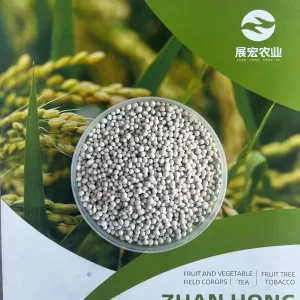
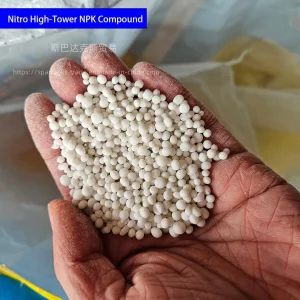
Operating 2 high-tower melt granulation production lines. The chemical raw materials are melted and sprayed from a tower exceeding 100 meters, producing perfectly spherical granules with an inner pore structure that ensures rapid, balanced crop absorption.
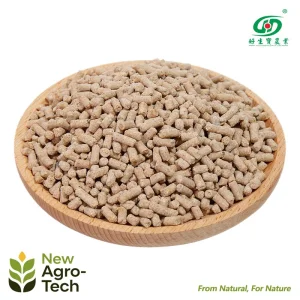
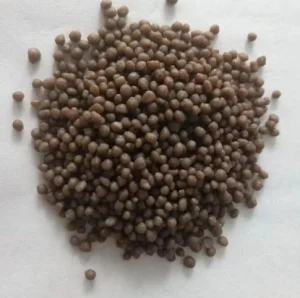
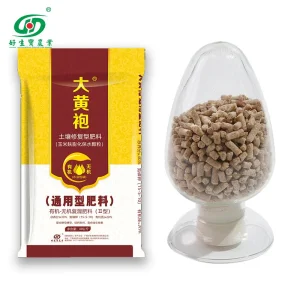
1 rotary drum granular line and 1 extruding line. These lines allow us to formulate custom-made blends and organic-inorganic combinations, maintaining high flexibility for localized crop requirements.
Dedicated lines for 100% water-soluble NPKs, potassium sulfate, and micronutrient salts (Ferrous, Zinc, and Magnesium sulfates) to correct specific trace element deficiencies in tropical island soils.
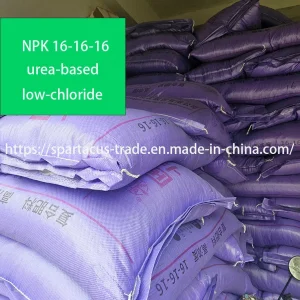
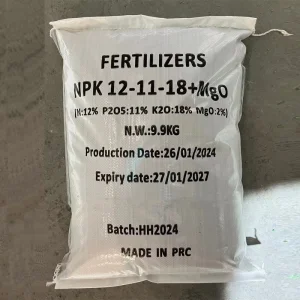
High-value spice crops require slow-release organic-inorganic complex fertilizers. Excess chloride kills vanilla root tips; therefore, our sulfur-based NPK compound fertilizers (such as NPK 15-15-15 and NPK 12-11-18+MGO) are formulated to promote root development and enhance the synthesis of aromatic compounds.
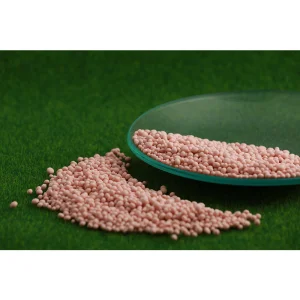
Resorts demand lush, green golf courses and tropical gardens without causing nutrient run-off into delicate coastal marine ecosystems. Our slow-release lawn formulations and seaweed extract granules release nutrients gradually, preserving groundwaters and nearby coral reefs.
Explore our complete export catalog. We offer full OEM formulation services, tailored packaging, and third-party quality certifications for import clearance.
Practical answers regarding shipping logistics, regulatory compliance, custom formulation options, and soil performance.
Yes. With 18 years of manufacturing expertise, we offer complete formulation customization. If you provide soil test data from Mahé or other islands, our agronomy team can adjust nitrogen release parameters and integrate specific micro-nutrients (such as Magnesium, Zinc, or Boron) to address localized deficiencies.
Tropical maritime routes exhibit high temperature and humidity fluctuations. To prevent clumping (caking), we apply a specialty anti-caking agent to the surface of our granular fertilizers. Furthermore, we pack our products in moisture-proof, double-layered PP/PE laminated bags, or heavy-duty bulk bags, ensuring they arrive dry and free-flowing.
Our standard minimum order quantity for custom manufacturing runs is 20-25 Metric Tons (equivalent to one 20-foot FCL). This allows us to calibrate the production lines to your formulation specifications while keeping ocean freight costs per ton competitive.
Yes, our compound organic-inorganic lines (incorporating seaweed extract and fulvic acids) are specifically designed to maximize nutrient uptake by the root zone. This significantly reduces nitrogen leaching and phosphorus runoff, minimizing the risk of eutrophication in adjacent lagoons and safeguarding Seychelles' sensitive marine ecosystems.
We provide all standard export documentation, including Bills of Lading, Commercial Invoices, Packing Lists, Certificates of Analysis (COA) confirming the exact chemical analysis, and Phytosanitary Certificates. We also coordinate with third-party testing institutions (like SGS) for pre-shipment inspections if required.
 TH Fertilizer