The global palm oil industry is currently undergoing a significant transformation, driven by the increasing demand for sustainable and high-yield agricultural practices. As palm oil remains the most widely consumed vegetable oil globally, the role of specialized custom palm oil fertilizer has never been more critical. Plantations across Southeast Asia, West Africa, and Latin America are moving away from generic solutions toward precision nutrition.
In the current industrial context, palm oil fertilizers are not just "commodities" but "engineered nutrients." Leading exporters like Linyi TH Environmental Technology are leading this shift by providing customized NPK ratios, humic acid additives, and slow-release technologies that align with the specific volcanic or peat-based soils found in major palm-growing regions.
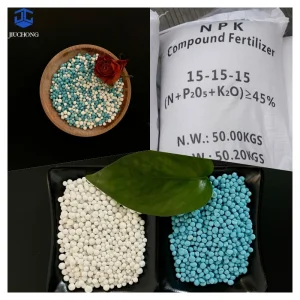
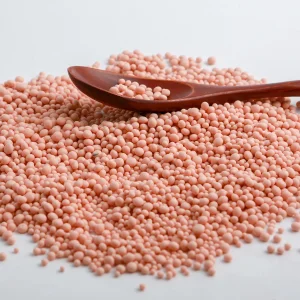
Modern palm oil plantations are increasingly adopting "site-specific nutrient management." This involves analyzing leaf tissue and soil samples to determine the exact deficiency of Boron, Magnesium, or Potassium. As a premier China palm oil fertilizer factory, we offer tailor-made granular solutions that integrate trace elements (TE) directly into the NPK matrix, ensuring every tree receives a balanced diet to maximize Fresh Fruit Bunch (FFB) weight.
Global procurement officers from large-scale plantation groups in Malaysia and Indonesia are no longer just looking for the lowest price. They are seeking reliability, scientific formulations, and logistics efficiency. The primary procurement demand is centered on fertilizers that can withstand high rainfall without leaching—this is where our "Slow Release" technology becomes an essential industrial asset.
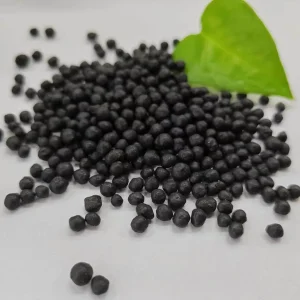
Furthermore, ESG (Environmental, Social, and Governance) commitments are pushing buyers toward organic-inorganic compound fertilizers. By blending amino acids and humic acids with traditional NPK, we help plantations improve soil structure and microbial health, ensuring long-term soil fertility and reducing the carbon footprint of the palm oil supply chain.
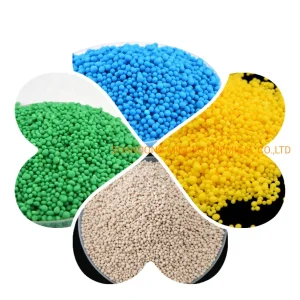
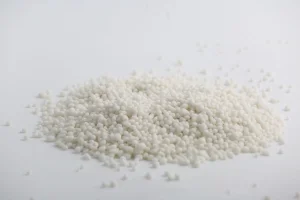
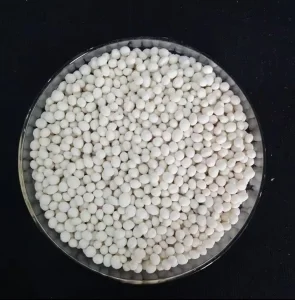
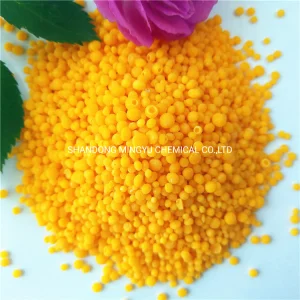
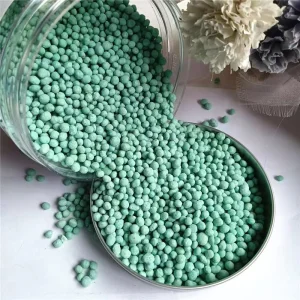
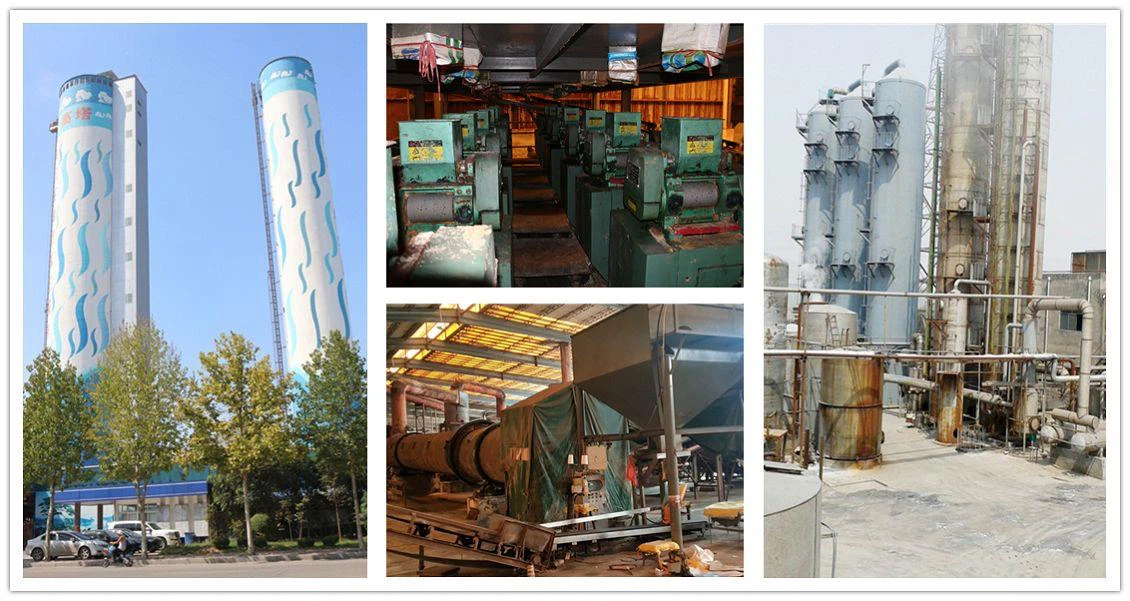
China's fertilizer industry has evolved into a global tech hub. Our facility uses automated high tower granulation and rotary drum technology to produce perfectly spherical granules that are easy to spread via drone or mechanical spreader. We bridge the gap between high-end precision and cost-effective bulk production.
Linyi TH Environmental Technology Co., Ltd. specializes in the manufacturing, development, marketing and after sales service of fertilizer. Our factory covers area of 300,000 square meters. Our annual production capacity of fertilizer: 300,000MT. Our factory build first NPK producing line on 2008. Our company have 18 years experience on fertilizer producing. After over 10years of development, our company become an modern enterprise with independent research and design ability and outstanding market competitiveness.
Our manufacturing fertilizers: NPK Compound Fertilizer, Water Soluble NPK Fertilizer, Nitrogen fertilizer (ammonium sulphate/ ammonium chloride/ calcium ammonium nitrate/ ammonium bicarbonate/ urea ect), Potassium Sulphate, Potassium Nitrate, Sulphate fertilizers (ferrous sulphate/ zinc sulphate/ magnesium sulphate) etc fertilizer.
Our Fertilizers are widely export to Japan, Korea, Vietnam, Malaysia, Myanmar, Cambodia etc Asian Countries, Peru, Brazil etc South American, UAE, Egypt, Iran etc Middle East countries and Kenya, Tanzania etc african countries. We have good reputation in this field. Our products have won praise from our customers world wide.
The success of palm oil cultivation in regions like Malaysia and Indonesia depends heavily on managing the wet seasons. In these tropical climates, localized application of fertilizer must account for surface runoff. Our engineers design custom granular density to ensure that nutrients sink into the soil rather than being washed away by heavy monsoon rains. Whether you are managing smallholder farms or massive industrial estates, our logistics team ensures timely delivery of bulk shipments (containers or break-bulk) to maintain your fertilization schedule.
 TH Fertilizer