Explore our elite range of organic solutions, chemical enhancers, and advanced machinery engineered to optimize modern agricultural yields.
The global agricultural sector faces an unprecedented dual challenge: securing food production for an expanding global population while systematically reducing reliance on high-impact synthetic chemical insecticides. As a leading wholesale insecticide manufacturer & supplier, Linyi TH Environmental Technology Co., Ltd. operates at the frontier of this transformation. We bridge the gap between traditional chemical crop protection and next-generation biological elicitors, enabling growers to establish comprehensive pest resistance mechanisms through optimized plant nutrition and targeted biological controls.
Modern search intent demands more than just raw toxic chemical formulations. Today's commercial enterprises seek systemic acquired resistance (SAR) boosters, eco-friendly insecticide synergists, and high-efficiency formulations that minimize run-off. By leveraging advanced biochemistry, our manufacturing portfolio combines classic crop protection inputs with biological biostimulants that naturally deter pest propagation while optimizing cellular resilience against environmental stresses.
Analyzing market micro-dynamics, regulatory shifts, and the rapid expansion of bio-rational alternatives.
Global regulatory bodies like the EU (EFSA) and US EPA are tightening restrictions on organophosphates and neonicotinoids. Agricultural enterprises are transitioning rapidly to low-toxicity, zero-residue solutions that preserve key pollinators while targetting specific herbivorous pests.
IPM strategies require the co-application of plant biostimulants and traditional insecticides. High-purity phosphites (such as Potassium and Copper Phosphites) activate the plant’s own salicylic acid pathway, naturally reducing insect feeding damages.
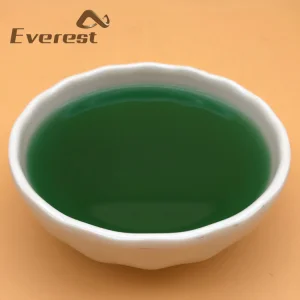
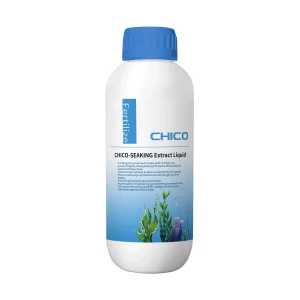
Natural elicitors like Ascophyllum Nodosum (Seaweed Extract) contain alginic acid, mannitol, and polyphenols. These compounds harden cell walls, increase cuticle density, and act as a mechanical defense barrier against chewing and sucking pests.
Information Gain: Research indicates that combining bio-stimulants containing copper chelates or phosphites alongside lower doses of active insecticide ingredients increases total mortality of target insect pests by up to 34% compared to chemical insecticides alone, while significantly lowering target resistance development.
Understanding how Linyi TH's nutritional products directly suppress pest infestations through physiological pathways.
| Product Line / Active Agent | Primary Insecticide Synergistic Mechanism | Ideal Target Crop Applications | Environmental Safety Rating |
|---|---|---|---|
| Copper & Potassium Phosphites | Triggers Systemic Acquired Resistance (SAR) pathway, restricting sap-feeding insect activities. | Fruit trees, citrus groves, palm plantations, solanaceous crops. | Extremely Safe, zero residues. |
| Ascophyllum Nodosum Extracts | Imparts mechanical resilience via cell-wall lignification; deters oviposition of spider mites. | Vegetables, leafy greens, ornamental plants, greenhouse cultivation. | 100% Organic certified profiles. |
| Amino Acid & Trace Mineral Chelates | Enhances plant synthesis of alkaloids and phenolic compounds which act as natural insect feeding repellents. | Paddy rice, maize, cash crops, tea plantations. | Eco-friendly, improves soil microbiome. |
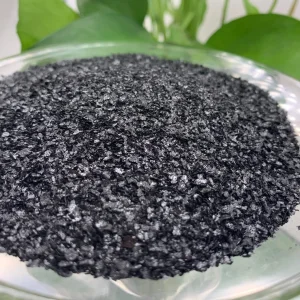
| Soluble Humic & Fulvic Acids | Detoxifies pesticide residues in soil, improving absorption of beneficial systemic systemic biologicals. | Broadacre grains, vineyards, heavy-clay soils. | Fully biodegradable organic compound. |
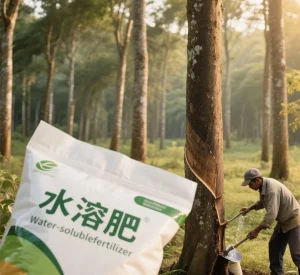
Linyi TH Environmental Technology Co., Ltd. does not just supply individual materials; we design holistic systems. Our water-soluble NPK compounds, enriched with micro-nutrients like zinc, magnesium, and ferrous sulfates, provide the enzymatic building blocks necessary for plants to produce secondary metabolites. These metabolites (such as phytoalexins) serve as the plant's first line of chemical defense against invading pests.
By stabilizing these products at a neutral pH and utilizing premium chelation agents, we ensure complete compatibility with common tank-mix insecticides. This allows agricultural buyers, chemical distributors, and large farming corporations to run co-applications, thereby reducing labor costs, tractor passes, and overall diesel consumption.
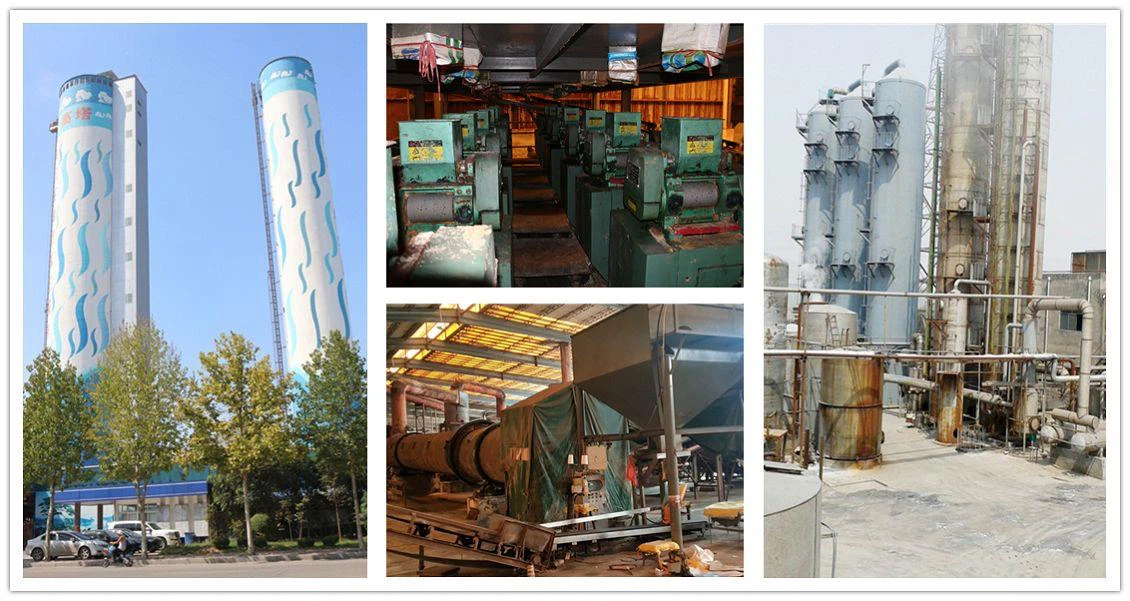
Our facility houses 6 distinct, world-class production lines:
Our structured supply chain satisfies the rigorous procurement mandates of global distributors and agricultural enterprises.
We provide comprehensive chemical analysis sheets, toxicological profiles, heavy metal limits, and certificate of analysis (COA) documentation required by ministries of agriculture across Southeast Asia, Latin America, and Africa.
From 1L/5L liquid bottles for precision foliar application to 25kg bags and 1000kg IBC totes for large plantations, our packaging design ensures product stability during long ocean transits and high humidity storage.
Our crop protection formulations are widely exported to highly regulated markets, including Japan, Korea, Vietnam, Malaysia, Peru, Brazil, UAE, Egypt, Iran, Kenya, Tanzania, and beyond.
How our R&D pipeline is shaping the future of low-input, high-efficacy agrochemicals.
Improving the active particle dispersion of organic insecticide ingredients. By reducing droplet size down to the nanometer scale, we achieve superior leaf coverage, fast absorption, and resistance to rain wash-off.
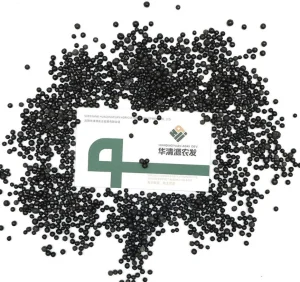
Developing soil-applied organic insecticides encased within biodegradable humic-acid structures, releasing active inputs steadily based on soil temperature and root activity triggers.
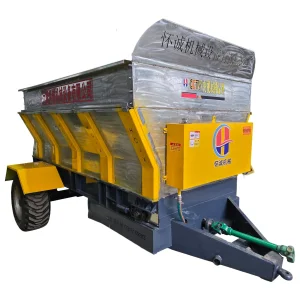
Optimizing mechanical spreading technology (like our Farmyard Manure Spreader line) with modern sensor integration for real-time application adjustments, reducing chemical wastage by up to 25%.
Get authoritative answers to your technical product application and partnership questions.
Discover the rest of our premium solutions designed for global export and targeted crop improvement.

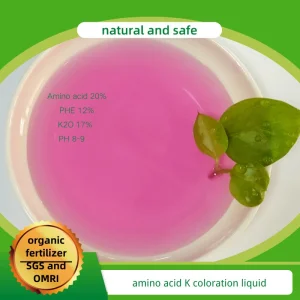
 TH Fertilizer