Explore our top-tier inorganic compounds designed for comprehensive soil conditioning, disease resistance, and high-efficiency yield optimization.
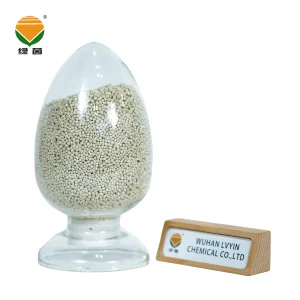
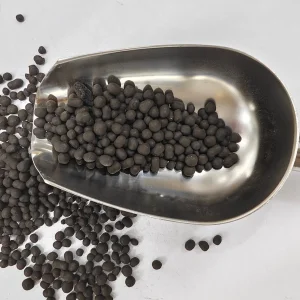
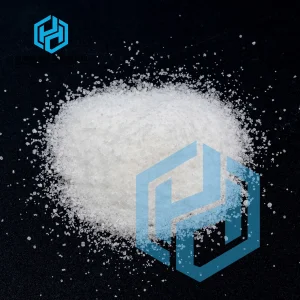
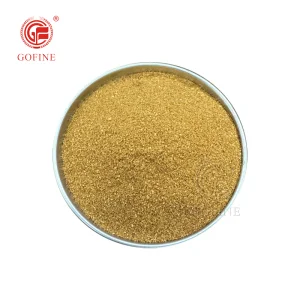
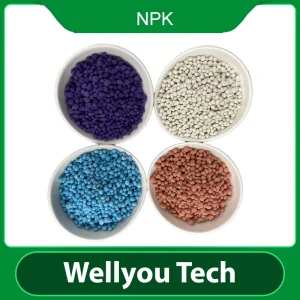
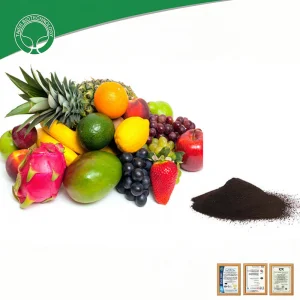
An analytical overview of inorganic compounds in modern crop management, chemical efficacy, regulatory compliance, and industrial production paradigms.
Modern commercial agriculture operates at a critical nexus where crop yield targets must balance environmental thresholds. In this context, inorganic pesticides—traditionally defined as chemical agents derived from mineral origins, such as copper complexes, elemental sulfur, and metallic salts—represent a corner-stone of Integrated Pest Management (IPM). Unlike synthetic organic molecules that target specific metabolic pathways in pests (and which are highly susceptible to resistance development), inorganic formulations leverage multi-site mechanical and chemical disruption mechanisms.
For instance, copper ions block enzyme pathways in fungal spores, and elemental sulfur disrupts cell respiration in powdery mildew. Crucially, these mineral compounds frequently perform dual roles. Soluble salts of magnesium, zinc, iron, and copper act both as localized plant defense triggers and as essential micronutrients that fortify the plant's cell walls, increasing structural resistance against boring insects and fungal penetration.
By coupling inorganic plant protection inputs with macro-nutrition programs (specifically high-purity NPK compounds, water-soluble nitrates, and humate soil conditioners), agricultural operations can establish a systemic defense shield. Plant health and environmental resilience are fundamentally linked; robustly fertilized crops exhibit superior structural barriers and higher synthesis of natural phytoalexins.
Inorganic chemical controls target cellular processes in pathogens, preventing the development of resistant mutant strains.
Unlike persistent organic pollutants (POPs), elemental mineral compounds dissociate into natural geological cycles without residual build-up.
Trace minerals like Zinc, Copper, and Manganese double as crucial catalytic co-factors for plant metabolism and protein synthesis.
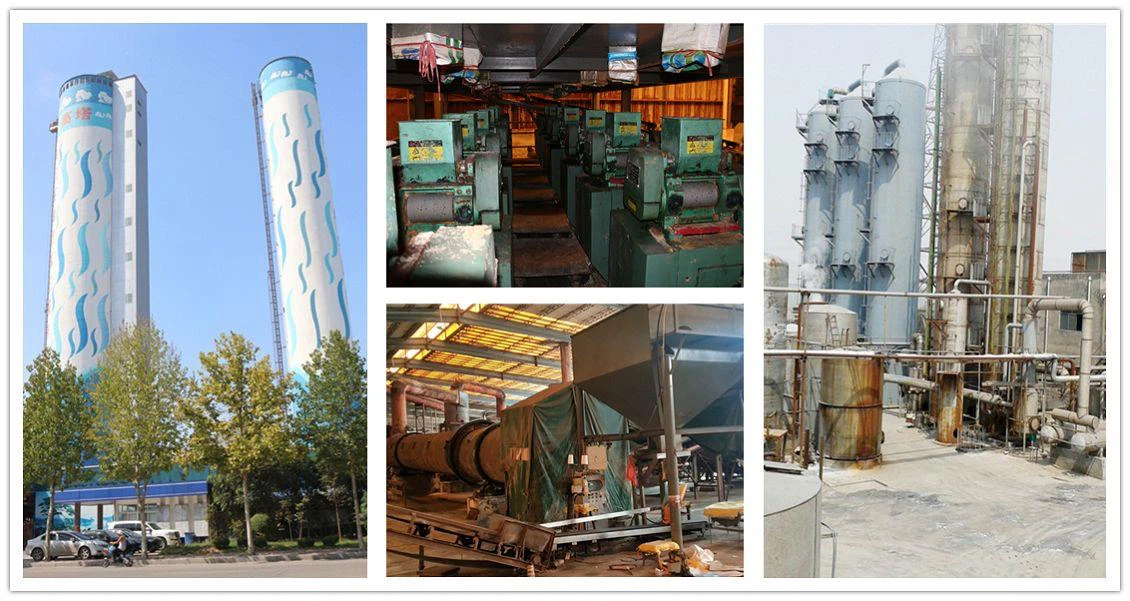
How Linyi TH Environmental Technology Co., Ltd. integrates automation, quality control, and logistics to secure global supplies.
As a prominent player in the global chemical and agrochemical sector, Linyi TH Environmental Technology Co., Ltd. operates a modern 300,000 square meter manufacturing base engineered to comply with digital-era industrial requirements. Our annual output capacity of 300,000 metric tons (MT) is supported by a configuration of six independent, computerized production lines:
By locating our production infrastructure in proximity to key mineral reserves and deepwater shipping ports, Linyi TH Environmental Technology guarantees high supply chain resilience, insulation from raw material volatility, and cost-efficient international logistics.
| Production Line Type | Core Outputs | Key Global Applications |
|---|---|---|
| High-Tower Granulation | NPK 16-16-16, NPK 22-5-11 | Large-scale cereal cultivation, turf-grass operations |
| Water-Soluble (WSF) | Potassium Nitrate, NPK 15-20-25 | Precision greenhouses, drip-fertigation setups |
| Sulphate Chemical Line | Magnesium/Ferrous/Zinc Sulphates | Soil remediation, plant disease prevention, industrial inputs |
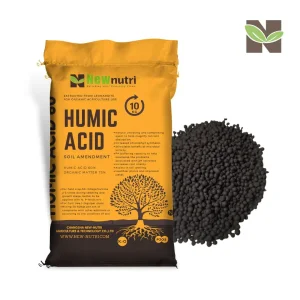
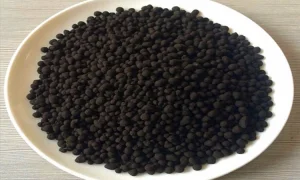
| Organic-Inorganic Blends | Humate & Amino Acid Composites | High-stress soil restoration, ecological agriculture |
Customized agrochemical solutions designed for diverse ecosystems, soil conditions, and international regulatory frameworks.
Global agrochemical sourcing requires navigating complex regulatory landscapes. Importers in the European Union (under REACH and strict EFSA residue rules) and North America (EPA registration) increasingly prioritize low-residue mineral inputs over synthetic organophosphates. Inorganic compounds derived from sulfur and copper, along with highly purified mineral salts, satisfy these low-toxicity profiles and are often approved for organic farming under USDA-NOP or EU Organic regulations.
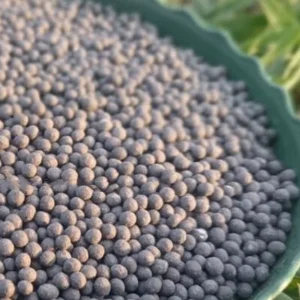
Additionally, commercial growers in hyper-arid zones—such as the UAE and Egypt—rely heavily on high-solubility, zero-sediment compound fertilizers (like MKP 0-52-34 and Nitrate SOP-Based NPKs) to prevent the clogging of drip irrigation lines while maintaining crop vitality in saline environments. In contrast, heavy-rain horticultural zones in Vietnam, Malaysia, and Brazil utilize slow-release granular inputs (such as Lvyin NPK 22-5-11 and humic-acid-coated minerals) to prevent active ingredients from leaching out during monsoonal weather.
By offering customizable particle sizes, anti-caking coatings, and specialized packaging (ranging from 25kg PE bags to 1200kg jumbo bulk bags), we ensure that our agricultural compounds maintain structural stability through long maritime shipping routes and high-humidity storage conditions.
Explore our industrial-grade trace minerals, nitrogen compounds, and micro-biological biofertilizers designed for global export.
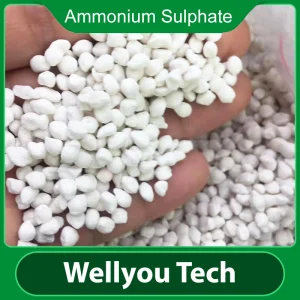
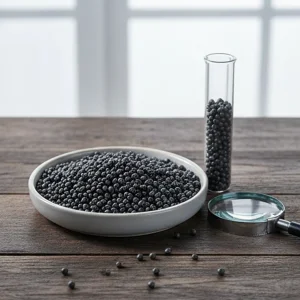
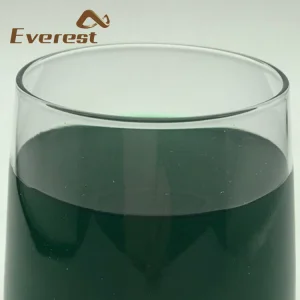
Crucial compliance and chemical safety information for international distributors, procurement officers, and agronomists.
 TH Fertilizer