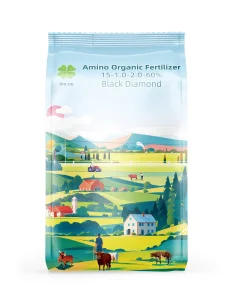
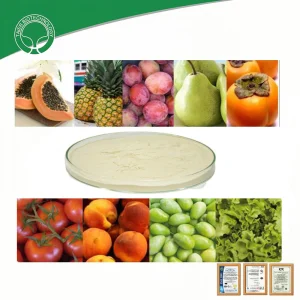
Explore our elite tier of water-soluble fertilizers, macro-nutrient compounds, and smart agricultural application systems designed to scale commercial yield.
The shift from traditional geocultivation to Controlled Environment Agriculture (CEA) and hydroponics is accelerating globally. Driven by the dual imperatives of climate volatility and resource scarcity, hydroponic farming solutions have moved from a niche system to a multi-billion-dollar global industry. Modern greenhouse operations, vertical urban farms, and large-scale hydroponic installations require precise inputs to optimize root zones and maximize crop output.
At the center of this movement are the manufacturers and factories producing critical technical inputs. Precision crop nutrition is no longer just about supplying raw nitrogen, phosphorus, and potassium (NPK). Instead, it demands highly refined, highly soluble chemical solutions, chelates, and biostimulants designed to remain stable in water recycling loops. In closed-loop systems, impurities can lead to toxic salt buildup, clogged drip emitters, and crop failures. As a result, selecting an authorized, high-capacity chemical manufacturer with mature quality control is essential for commercial operations.
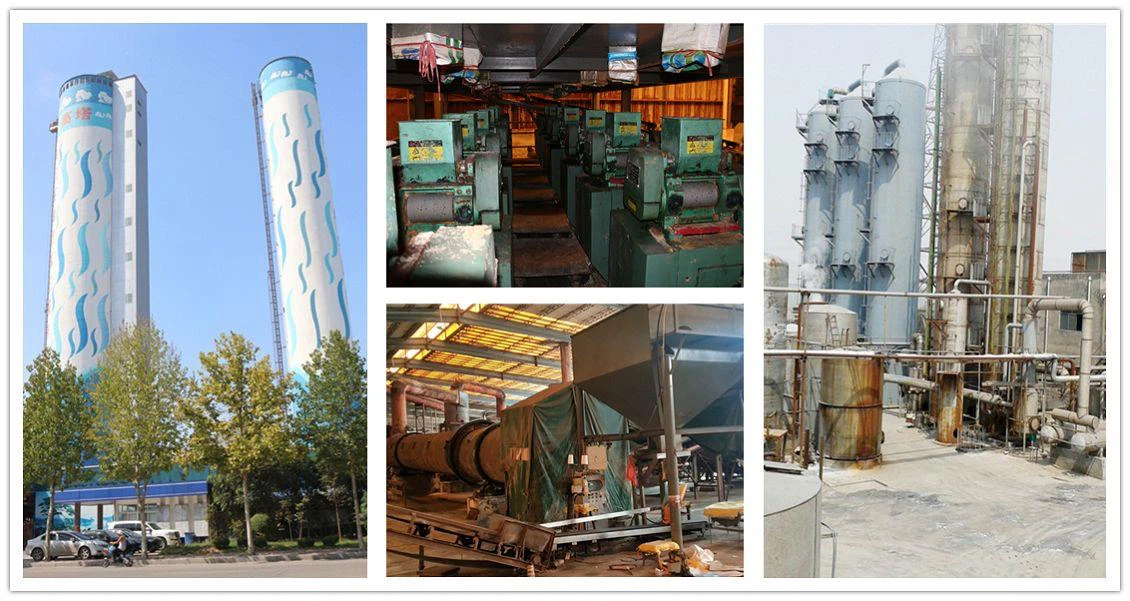
Linyi TH Environmental Technology Co., Ltd. specializes in the manufacturing, development, marketing, and after-sales service of high-performance fertilizers and chemical solutions. Covering an expansive factory area of 300,000 square meters, our facilities are built to support global agricultural and horticultural supply chains. With an annual production capacity of 300,000 metric tons, we ensure reliable supply for large-scale operations.
Our industrial experience dates back to 2008 when we built our first NPK production line. Over more than 18 years, we have grown into a modern enterprise with strong research and design capabilities, providing engineered crop nutrition solutions to agricultural markets worldwide.
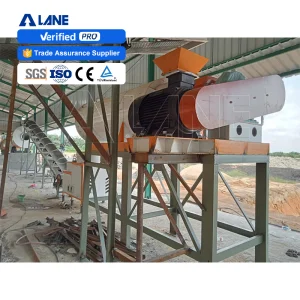
Our manufacturing capabilities feature specialized production lines designed to deliver precise chemical configurations:
The intersection of chemistry, automation, and agronomy is shaping the next generation of soil-free agriculture.
Modern irrigation uses narrow drip emitters and automated sensors. Standard fertilizers leave insolubles that cause system-wide clogs. The demand is shifting toward pure chemical salts that dissolve completely without sediment.
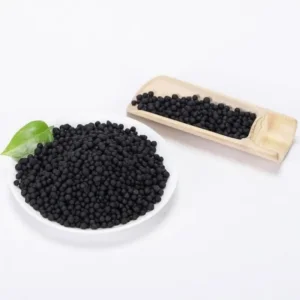
By blending pure mineral salts with organic biostimulants like Humic Acid, Fulvic Acid, and Amino Acids, growers can improve root mineral uptake while supporting beneficial microflora.
Crops in hydroponic loops are highly sensitive to chlorine and sodium. High-purity base ingredients like Potassium Sulphate (SOP) are essential to prevent phytotoxicity in closed systems.
Hydroponic manufacturing is defined by strict chemical parameters. Formulating products for soilless cultivation requires careful management of pH, electrical conductivity (EC), osmotic potential, and chemical compatibility in concentrated solutions.
In concentrated stock tanks, mixing free calcium ions with phosphates or sulfates causes immediate precipitation of calcium phosphate or calcium sulfate (gypsum), which clogs systems and starves plants. Commercial hydroponic systems prevent this using multi-tank configurations (A and B tanks) and high-quality chelated micronutrients (such as EDTA or EDDHA complexes) to keep metal ions stable in solution.
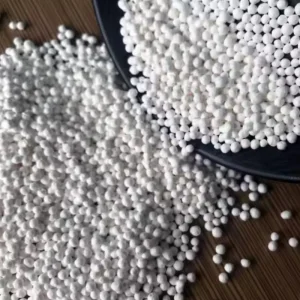
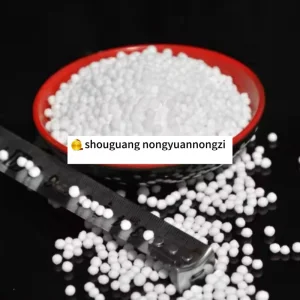
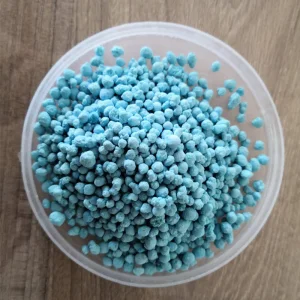
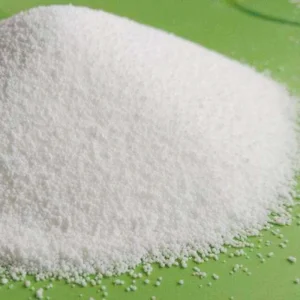
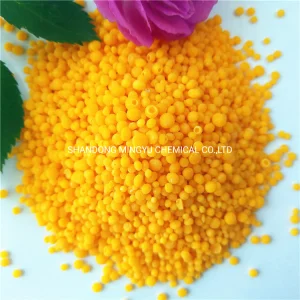
Our high-tower granular production lines melt raw urea and ammonium phosphates before spraying them down a cooling tower. This process creates smooth, highly uniform prills with excellent physical strength and high solubility. The uniform size distribution ensures consistent dissolving rates, which is critical for automated fertigation systems.
| Chemical Ingredient | Typical Purity | Primary Role in Soilless Systems | Water Solubility (at 20°C) |
|---|---|---|---|
| NPK 19-19-19 / 20-20-20 | 100% Water Soluble Grade | Balanced vegetative and structural growth macro-nutrients | ~580 g/L |
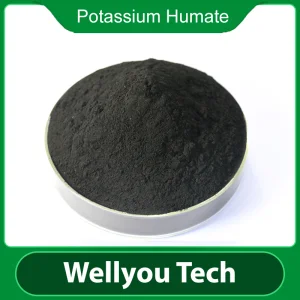
| Potassium Fulvate / Humic Acid | >85% active humates | Natural organic biostimulant, improves CEC and root cell absorption | 100% dispersible / soluble |
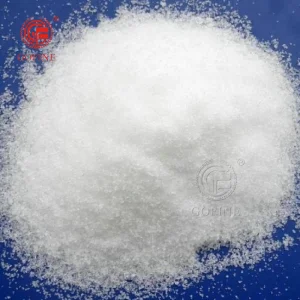
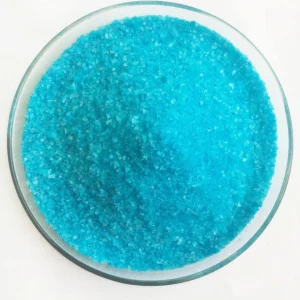
| Magnesium Sulphate (Epsom Salt) | 99.5% pure industrial grade | Supplies magnesium for chlorophyll core and sulfur for protein synthesis | ~710 g/L |
| Potassium Phosphite | High tech agricultural grade | Provides rapid potassium uptake and supports systemic resistance to oomycetes | >99% soluble |
Different regions face distinct environmental challenges, which influences the selection of agricultural inputs. Our export network spans Asia, South America, the Middle East, and Africa, allowing us to adapt formulations to local cultivation needs:
Challenge: Arid conditions, high soil salinity, and high water temperature.
Solution: Recirculating hydroponics and drip fertigation systems. High-purity NPK formulations and Magnesium/Zinc Sulphate help offset alkaline water conditions and prevent mineral lockouts.
Challenge: Large-scale open field operations transitioning to semi-protected, high-intensity cultivation.
Solution: Integrating organic biostimulants like amino acids and humic acids with high-tower compound fertilizers to improve soil structure and nutrient efficiency.
Challenge: Cost-sensitive markets with diverse macroclimates, requiring high-yield flower and vegetable production.
Solution: High-efficiency, cost-effective water-soluble NPK mixes combined with robust organic fertilizer systems to maximize crop value.
For commercial growers, reliable sourcing of plant nutrients is a critical operational risk. A shortage of key elements for even a few days can disrupt growth cycles in fast-turnover crops like leafy greens or cannabis. Linyi TH Environmental Technology Co., Ltd. addresses this risk with integrated manufacturing solutions:
Practical answers to technical questions about hydroponic nutrients and bulk chemical sourcing.
Hydroponic-grade fertilizers must dissolve completely in water without leaving insolubles or heavy metals that could clog drip systems or accumulate in closed-loop setups. They also avoid high-chloride or sodium ingredients, whereas standard agricultural-grade products may contain trace impurities or slower-dissolving binders.
Magnesium is the central atom in chlorophyll molecules, making it vital for photosynthesis. Sulphur is essential for amino acid and protein synthesis. Because soilless media does not naturally contain these minerals, they must be supplied in highly soluble form, such as Magnesium Sulphate, to ensure rapid crop uptake.
Potassium Fulvate contains short-chain organic compounds that act as natural chelators. They bind to mineral ions, making them more stable and easier for roots to absorb. In hydroponics, it also stimulates root development and helps buffer the root zone against minor pH changes.
We test each batch for moisture, particle size, and dissolution rate. Our dedicated water-soluble NPK production line uses high-purity inputs and anti-caking agents to ensure the product remains free-flowing and dissolves rapidly without leaving sediment.
High tower granulation melts the fertilizer materials, spraying the liquid from a tower to create highly uniform, smooth, and dry spherical prills. Rotary drum granulation relies on moisture and mechanical rotation to build up granules, resulting in slightly more varied shapes and slower dissolution times.
Yes, but they must be highly filtered and bio-stable. Low-quality organic additives can ferment in the water, depleting oxygen and causing pathogen growth. Linyi TH's highly soluble amino acid powders are engineered to dissolve quickly and integrate safely into commercial reservoirs.
We use moisture-proof, heavy-duty PE/PP woven bags, control residual moisture during manufacturing, and apply food-grade anti-caking agents. This ensures the fertilizer arrives free-flowing, even after ocean transit through high-humidity regions.
Our standard MOQ for custom blends depends on the formulation and packaging requirements, typically starting at 20 to 25 metric tons (one full container load). This scale allows us to run our production lines efficiently and provide competitive pricing.
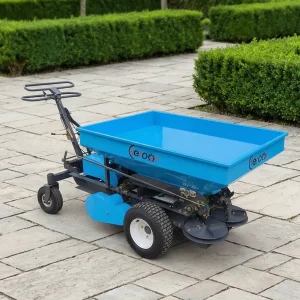
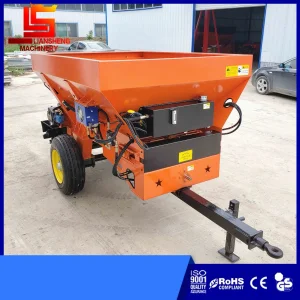
Our secondary line features targeted mineral salts, organic soil conditioners, and machinery designed to support both indoor CEA and traditional farm operations.
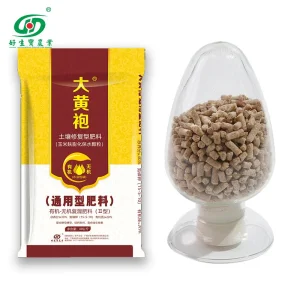
 TH Fertilizer