In modern agricultural frameworks, Controlled Environment Agriculture (CEA) dictates precise control over climate, irrigation, and nutrition. High-tech greenhouse operations do not merely rely on structural plastic and framing; they depend on advanced chemical inputs, soil conditioners, and targeted plant nutrition lines to maximize crop yield, optimize quality parameters, and achieve operational sustainability. Finding reliable greenhouse supplies suppliers and exporters requires analyzing technical capabilities, manufacturing capacity, regulatory compliance, and customized formulation viability.
For B2B procurement agents, large-scale greenhouse growers, and regional distributors, the challenge lies in securing high-purity inputs that integrate seamlessly into complex drip systems, hydroponics, and soil-less substrate systems. Whether your operations focus on high-yield cash crops, intensive vegetable production, or ornamental horticulture, the nutritional integrity of your supplies establishes the foundation of your agronomic performance.
Explore our elite selection of water-soluble macro-nutrients and specialized organic humic inputs engineered for commercial greenhouse systems.
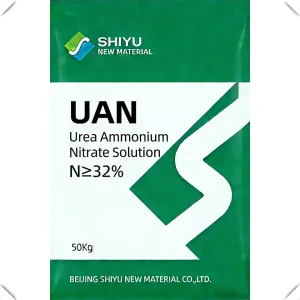
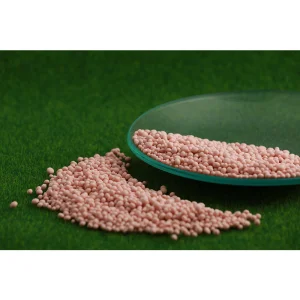
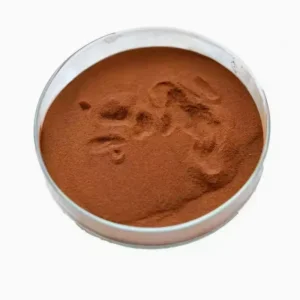
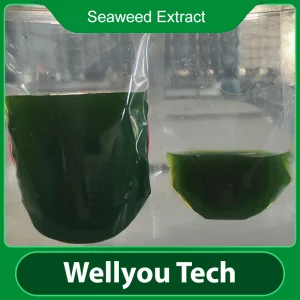
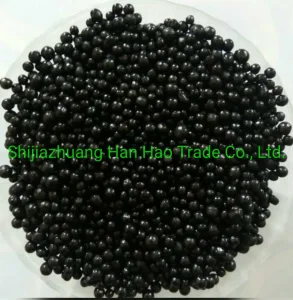
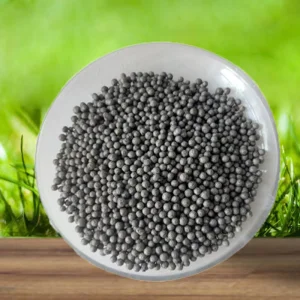
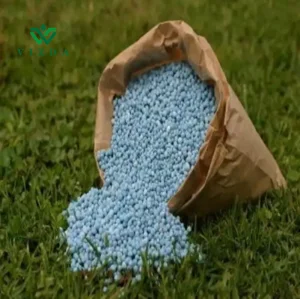
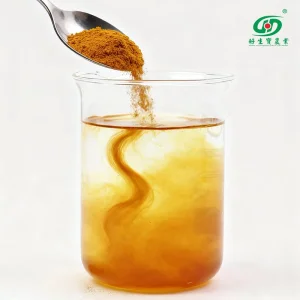
Large-scale commercial agricultural operators face rigorous challenges in managing nutrient profiles across millions of square meters of glass and tunnel infrastructure. The procurement of greenhouse supplies is no longer a matter of basic volume; it centers on technical integration. Quality parameters, solubility ratings, and batch consistency directly determine whether modern drip irrigation systems remain operational or experience costly emitter clogging.
Key Procurement Parameters for Greenhouse inputs:
Greenhouse crops demand raw material grades that exceed typical field-crop agricultural standards to prevent chemical precipitation.
Reliable logistics pipelines with stable transit timelines prevent crop stress and loss during key development stages.
Tailored NPK ratios combined with trace minerals (Mg, Zn, Fe, B) optimized for specific growth cycles and media types.
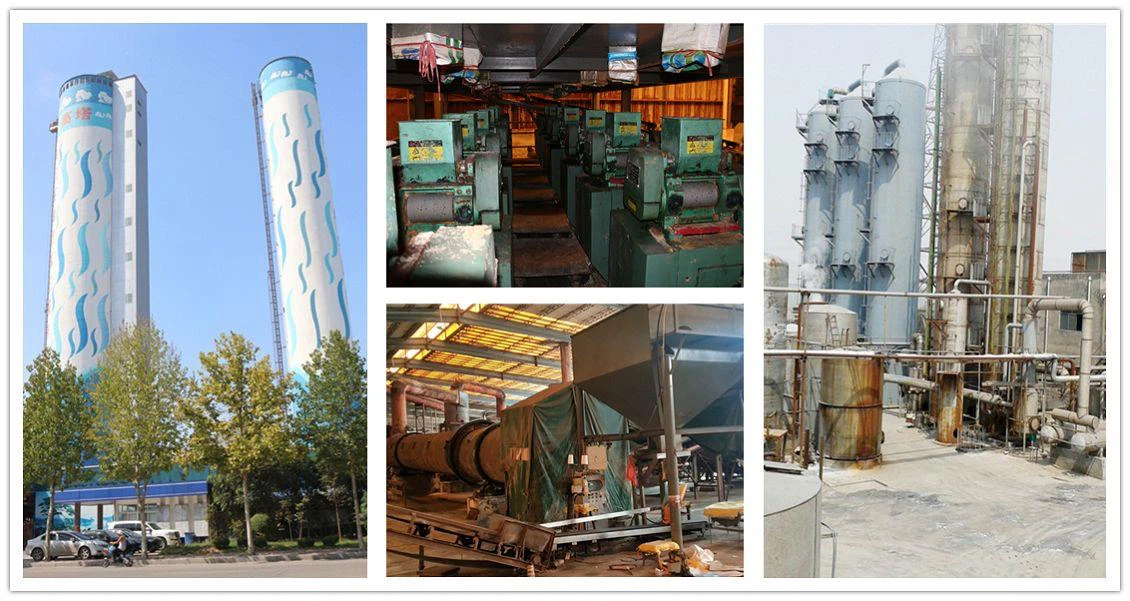
As a premier manufacturer in the industrial-scale agricultural sector, Linyi TH Environmental Technology Co., Ltd. specializes in the manufacturing, development, marketing, and after-sales servicing of specialized crop nutrition lines. Operating from a state-of-the-art facility covering over 300,000 square meters, the company maintains an annual production capacity of 300,000 metric tons (MT).
Established on a foundation of 18 years of manufacturing expertise, the company has transformed into a modern agricultural enterprise capable of independent design, cutting-edge agronomic research, and highly competitive worldwide marketing operations.
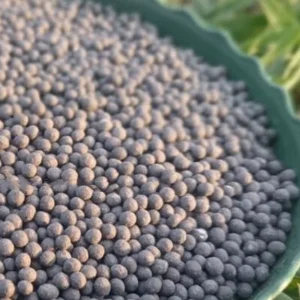
Features 2 high-tower granular production lines, 1 rotary drum line, and 1 advanced extruding line, providing physical stability and controlled dissolution profiles.
1 dedicated production line for pure water-soluble NPK compounds. Precision-engineered to eliminate insoluble content, perfect for smart micro-fertigation lines.
Comprehensive manufacturing lines for Potassium Sulfate (SOP), Ferrous Sulfate, Magnesium Sulfate, and Zinc Sulfate, ensuring vital micro-element availability.
In modern glasshouse production systems, agronomic engineers design specific nutrition programs corresponding to crop phenological stages. For instance, vegetative growth stages demand high-nitrogen formulations balanced with trace minerals, while flowering and fruiting cycles require high-phosphorus and high-potassium levels to support cell wall development and sugar transport mechanisms.
Our solutions target these specific crop environments:
Because rockwool, coco coir, and perlite substrates possess minimal cation exchange capacity (CEC), plant nutrition must be totally supplied via fertigation. Formulations must be highly soluble, free of sodium and chlorine contaminants, and balanced with essential divalent metals such as Magnesium and Zinc in chelated formats to ensure direct root absorption.
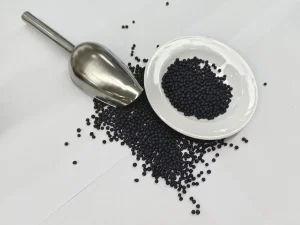
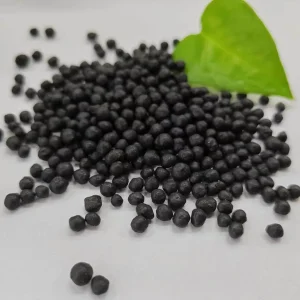
Using proprietary high-tower technology, we manufacture compound prills with high structural integrity that dissolve uniformly. This prevents localized nutrient spikes and ensures consistent soil EC (Electrical Conductivity) profiles in standard greenhouse soil beds.
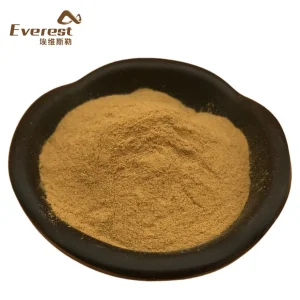
Integrating high-purity Biochemical Fulvic Acid and Seaweed Extract acts as a catalyst for root growth, mineral uptake, and stress tolerance. These organic components act as natural chelating agents, keeping micronutrients active and absorbable under fluctuating pH levels common in substrate grow slabs.
Adapting to smart farming, climate resilience, and reduced environmental footprints in greenhouse supplies manufacturing.
Investing in biodegradable polymer coatings that slowly release nutrients according to substrate temperature. This lowers application frequencies and prevents leaching losses, especially in seasonal cropping profiles.
Re-engineering chemical particle distributions to enhance the solubility of highly concentrated phosphorus compounds. This guarantees clear formulations even under high concentration ratios in automated mixing tanks.
Integrating bio-derived humic substances, organic amino elements, and recycled mineral resources to decrease the carbon index of commercial greenhouse production processes.
Conducting agricultural import/export operations requires meeting diverse regulatory standards. Different jurisdictions (including the EU, North America, LATAM, and Southeast Asia) mandate rigorous registrations, purity validations, and safety data documentation.
Linyi TH Environmental Technology Co., Ltd. has established a strong global presence. Our premium fertilizers are exported directly to key agricultural markets, including:
We provide full documentation, including SGS inspection certifications, certificates of analysis (COA), safety data sheets (SDS), and custom packaging designs to comply with local import protocols and agricultural safety standards.
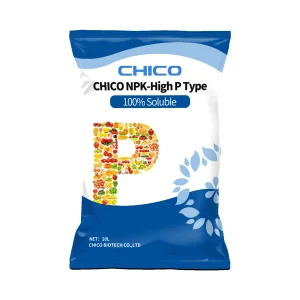
Discover our custom-engineered high-phosphorus formulations, organic soil builders, and pure sulfate salts designed for modern greenhouses.
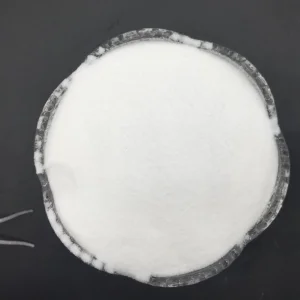
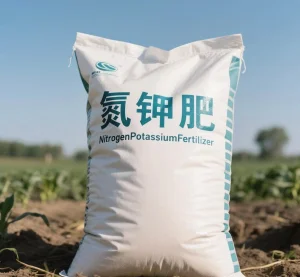
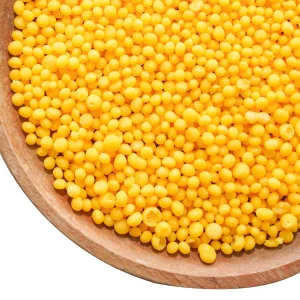
Addressing technical and logistical questions for agricultural buyers, distributors, and supply-chain managers.
 TH Fertilizer