Engineered to deliver high-solubility, trace mineral complexing, and bio-available plant nutrients that stabilize ecological balances within recirculating aquaculture systems.
Evaluating commercial-scale aquaponic systems through thermodynamic efficiency, water recirculation mathematics, and targeted nutrient mineralization.
In the transition toward sustainable agricultural systems, commercial aquaponics stands as the most sophisticated embodiment of circular biological engineering. Traditionally, aquaponics was limited by the "single-loop" configuration where the same water flowed sequentially between fish rearing units (recirculating aquaculture systems - RAS) and hydroponic plant loops. In this single-loop system, a physiological conflict arises: fish thrive in a pH range of 6.5 to 8.0 with low concentrations of dissolved elements, while plants demand high concentrations of potassium, phosphorus, iron, and trace minerals at a target pH of 5.5 to 6.5. Operating at a compromise pH of 7.0 significantly lowers nutrient uptake efficiency, leading to plant deficiencies, root-pathogen vulnerability, and diminished fish growth rates.
To overcome this bottleneck, modern commercial growers rely on Decoupled Aquaponic Systems (DAPs). In DAPs, water is diverted from the aquaculture loop to the plant system, but it is not returned directly back to the fish without undergoing extensive mechanical filtration, sterilization, and nutrient balancing. This allows engineers to supplement the water in the plant loop using high-purity, fully water-soluble fertilizers, humates, and organic biostimulants. These inputs provide the exact concentration of potassium, phosphorus, calcium, magnesium, and micro-nutrients required for high-yield leafy green and fruiting crop production without exposing the fish to toxic mineral concentrations.
"The core challenge of modern decoupled aquaponics is not simply filtering water; it is the precise management of biological ion chemistry. Achieving high-yield results requires factories that can engineer stable, high-solubility nutrient molecules like potassium nitrate, magnesium sulfate heptahydrate, and chelated humic compounds that survive the biological nitrification loop."
How Linyi TH Environmental Technology's specialized product configurations optimize biological and physical processes in high-intensity farming.
For decoupled plant loops, fertilizers like Potassium Nitrate (Agricultural Powder) and Monopotassium Phosphate (MKP 0-52-34) offer immediate bioavailability. Unlike standard soil-based granular fertilizers, these inputs dissolve completely without leaving insoluble carriers or binders that clog drip lines, micro-emitters, and organic biofilters.
Humic Acid and Fulvic Acid act as natural chelating agents. When introduced into the aquaponics plant loop, they bind to key divalent cations such as Iron (Fe²⁺/Fe³⁺), Magnesium (Mg²⁺), and Zinc (Zn²⁺), forming highly stable, ring-shaped coordination complexes. This prevents these critical metal ions from precipitating out of solution as insoluble phosphates or oxides at higher pH levels.
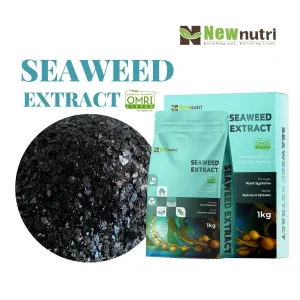
The OMRI-listed Ascophyllum Nodosum Seaweed Extract serves as a powerful biostimulant. Containing natural alginates, mannitol, and cytokinins, it enhances the root surface area of plants grown in deep-water culture (DWC) channels. This helps crops absorb nutrients efficiently under high water flow conditions and mitigates temperature fluctuations within greenhouse reservoirs.
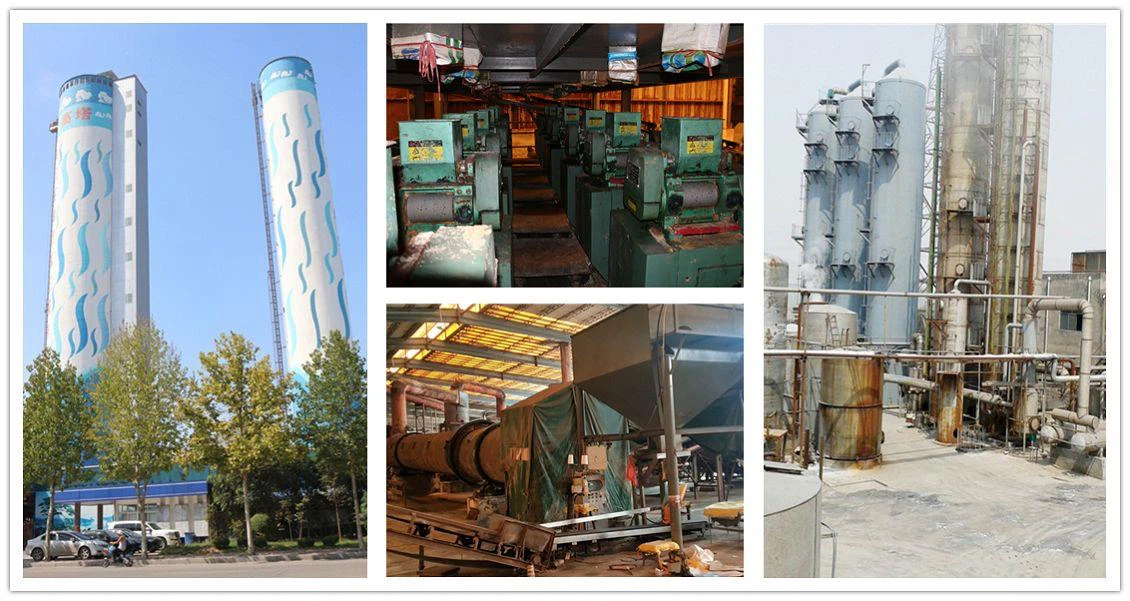
Established as a premier industrial authority in East China, Linyi TH Environmental Technology Co., Ltd. specializes in the design, molecular synthesis, and commercial distribution of advanced plant nutrition solutions. Spanning an expansive area of 300,000 square meters, our facilities represent the cutting edge of domestic manufacturing with an annual capacity of 300,000 metric tons (MT).
Since building our initial high-output NPK production line in 2008, our research department has accumulated 18 years of technical experience. Today, we run highly automated production lines, including:
• 2 high-tower granular lines
• 1 rotary drum granular line
• 1 extruding granular line
• 1 water-soluble NPK line
• 1 potassium sulphate line
• 1 chemical synthesis line dedicated to trace element metal sulfates (ferrous, zinc, magnesium).
A comprehensive view of how our customized formulations operate within diverse agricultural and geographical frameworks.
In dry regions like the UAE and Egypt, aquaponic operations must deal with high source water salinity. Utilizing high-purity Potassium Nitrate (KNO₃) and Magnesium Sulphate Heptahydrate allows commercial growers to raise potassium and magnesium levels without adding excess sodium or chlorine, maintaining a low sodium adsorption ratio (SAR) in the biological loop.
In cold climates utilizing closed-loop vertical farming or high-wire glasshouses, growers use decoupled aquaponics to cultivate high-density leafy greens and tomatoes. Precise combinations of 100% water-soluble NPK and humic chelators ensure rapid nutrient assimilation under artificial LED setups, maximizing biomass per square meter.
Farms in regions like Japan, Korea, and Vietnam prioritize strict organic certifications and fish biosafety. Incorporating OMRI-listed Ascophyllum Nodosum Seaweed Extract and high-grade Bio Fulvic Acid (50%) stimulates beneficial microbial colonisation of the root zone, reinforcing plant immunity against waterborne pathogens like *Pythium* without using synthetic chemical fungicides.
Engineered for rapid dissolving speeds, stability under varied pH profiles, and non-toxic profiles within commercial food production environments.

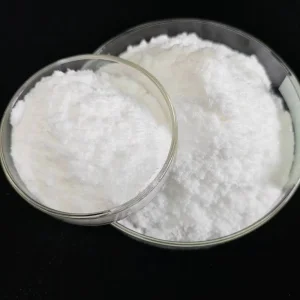

A detailed chemical evaluation of why specific fertilizer classes behave differently under aquaponic biology compared to standard soil agriculture.
In soil, orthophosphates form complex mineral bounds with calcium, iron, or aluminum depending on pH levels. In an aquaponic or hydroponic water system, phosphorus precipitation is almost instantaneous if pH values drift above 6.8. When calcium ions (from calcium nitrate additives or hard water) and phosphate ions (from MKP or MAP) are present together at high concentrations, they form dicalcium phosphate or tricalcium phosphate, which are insoluble salts that precipitate as a white crust on biofilters. Using MKP (0-52-34) or MAP (12-61-0) under controlled dosing rates at a target pH of 6.2–6.5 prevents this locking mechanism, ensuring orthophosphate remains in its monovalent form (H₂PO₄⁻), which plants absorb quickly.
Biological filters in aquaponics rely on Nitrosomonas and Nitrobacter bacteria to convert highly toxic ammonia (NH₃/NH₄⁺) exuded by fish gills into nitrite (NO₂⁻) and then into nitrate (NO₃⁻). However, this nitrification process consumes bicarbonate alkalinity, releasing hydrogen ions (H⁺) and causing water pH to drop over time. While plants prefer nitrogen in the form of nitrate, introducing trace levels of ammonium (e.g., via Ammonium Sulfate) can help stabilize pH drop in systems that are excessively alkaline. Plants absorbing NH₄⁺ release H⁺ ions, while absorbing NO₃⁻ causes them to release OH⁻ or HCO₃⁻ ions, making precise nitrogen formulation adjustments crucial for managing pH balance in decoupled loops.
Iron deficiency (chlorosis) is a common issue in commercial aquaponics. Fish feed lacks sufficient iron, and at pH levels near 7.0, free iron ions oxidize and precipitate as ferric hydroxide (Fe(OH)₃). To solve this, commercial growers introduce chelated iron. Humic substances like Potassium Humate and Fulvic Acid act as natural, eco-friendly organic chelators. The functional groups (carboxyl and phenolic hydroxyl groups) within these humate molecules hold iron and other trace metals in a stable form. This prevents oxidation and allows plant roots to absorb the chelated iron, even in the presence of competing carbonate ions in hard water systems.
How Linyi TH Environmental Technology guarantees high purity, safety, and regulatory compliance across diverse international markets.
Exporting high-performance plant inputs requires meeting strict international safety standards. In European and North American markets, products used near aquaculture must be free of heavy metals (such as Lead, Cadmium, and Arsenic) that could build up in fish tissues or affect biological filters. Linyi TH Environmental Technology enforces strict quality control standards, ensuring our raw materials and end products meet or exceed the heavy metal limits set by the EU and US EPA.
Our organic biostimulants, including our Ascophyllum Nodosum Seaweed Extract, are designed to meet OMRI standards. This simplifies compliance for growers seeking organic certification for their leafy greens and crops.
With an annual capacity of 300,000 MT, our factory is equipped to handle high-volume global logistics. We export to major markets across Asia (Japan, South Korea, Vietnam, Malaysia, Cambodia), South America (Peru, Brazil), the Middle East (UAE, Egypt, Iran), and Africa (Kenya, Tanzania).
Products are packed in moisture-resistant, durable bags to prevent clumping during maritime transit. This ensures water-soluble powders arrive dry, free-flowing, and ready to dissolve in automated fertigation systems.
Scientific answers to the most common questions raised by commercial growers, agronomists, and system designers.
 TH Fertilizer