Why Do Some Fertilizers Burn Plant Roots?

Time:2026-09-10 Author:Ethan
0%

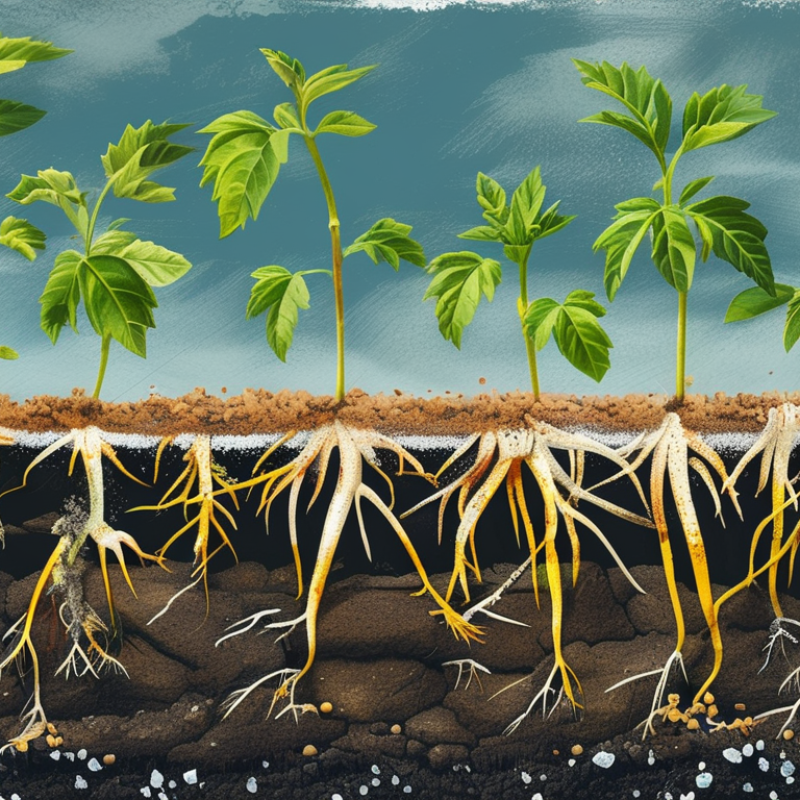
Why do some fertilizers burn plant roots? The answer begins with concentration, moisture, and root sensitivity. Fertilizer salts can pull water away from delicate root cells through osmosis. A seedling may wilt beside a white ring of granules, even when the surrounding soil looks damp.

This injury is not limited to synthetic products. Manure, compost, and concentrated organic feeds can also release soluble salts or ammonia. Dry soil makes the problem worse. So does placing fertilizer directly against a stem or root crown. A gardener may see brown root tips, scorched leaf edges, or stalled growth within days. These signs can resemble drought, disease, or transplant shock. Diagnosis requires care.

This guide connects practical gardening observations with basic soil chemistry. It examines fertilizer labels, application rates, soil texture, irrigation, and plant growth stages. A soil test can reveal salinity and nutrient levels before guesswork causes damage. Still, no single symptom proves fertilizer burn. Plant variety, water quality, temperature, and drainage all matter. I have learned that even a “safe” product can harm roots when timing is poor. That deserves a closer look. The goal is not to fear fertilizer. It is to use nutrients at a measured rate, keep them away from vulnerable roots, and watch how plants respond over time.
Why Do Some Fertilizers Burn Plant Roots?

What Fertilizer Burn Means for Plant Roots

Why Do Some Fertilizers Burn Plant Roots?

What Fertilizer Burn Means for Plant Roots

Fertilizer burn means that plant roots have suffered chemical or salt stress. Fertilizer salts draw water away from delicate root cells through osmosis. The roots may look brown, dry, or shriveled. Fine feeder roots often disappear before larger roots show damage. This weakens water uptake, even when the soil appears moist.

The problem usually follows excessive fertilizer, dry soil, or poor drainage. A strong granular application beside a stem can create a concentrated salt pocket. Liquid fertilizer can cause similar injury when mixed too heavily.

Yellow leaves may appear, but yellowing alone does not prove fertilizer burn. Root disease, drought, and compacted soil can look similar. Dig gently and inspect the roots. Healthy roots usually feel firm and show pale colors.

Experienced growers often flush affected soil with clean water, if drainage is adequate. Water should move through the root zone, not remain in a heavy, waterlogged container. Remove badly damaged leaves only when necessary. Pause feeding while new growth develops. A soil test can reveal excess soluble salts and guide later applications.

I have learned that recovery is rarely instant. Some plants look unchanged for days, then produce weak new shoots. That delay can encourage overcorrection. Smaller doses and evenly moist soil are safer than one heavy feeding. Still, even careful growers misjudge a plant’s needs when weather, pot size, and root health change together.

How Excess Salts Damage Root Cells

Why Do Some Fertilizers Burn Plant Roots?

Fertilizer burn usually begins when dissolved salts become too concentrated around roots. Granular fertilizers release nutrients as they contact moisture. In a small pot, that solution can collect near the root zone. The surrounding soil then becomes saltier than the fluid inside root cells. Water moves outward from the cells instead of inward. Cells lose pressure. Roots struggle to absorb moisture, even when the soil looks wet.

This is osmotic stress.

High salt levels can also injure root membranes and disturb nutrient balance. Tender root hairs often turn brown first. Affected roots may look dry, thin, or slightly translucent. Leaves can develop brown edges after several hot days. The damage is easy to mistake for drought. I have seen plants wilt beside visibly damp potting mix, which is a useful warning sign. A pale crust on the soil surface may indicate salt accumulation, but it is not proof by itself.

A conductivity meter can help measure soluble salts, though readings must match the crop and growing medium. No single value suits every plant. Drainage, water quality, temperature, and fertilizer timing also matter. Flushing the medium may reduce salts, but poorly drained containers can keep the problem alive. I once blamed excessive fertilizer too quickly; compacted media had reduced root oxygen as well. Checking roots, drainage holes, and irrigation water gives a more reliable diagnosis.

Why Fertilizer Concentration Affects Root Health

Fertilizer burns roots when its concentration raises salt levels around them faster than roots can cope. Dissolved nutrients increase osmotic pressure, so water moves away from root cells instead of entering them. The root tips may turn brown, stop growing, or become soft. It can look like drought, even when the soil is wet.

The FAO Irrigation and Drainage Paper 29 identifies about 2 dS/m of saturated-soil electrical conductivity as a meaningful stress point for many crops. Sensitive plants may respond negatively at lower levels. This is not a universal limit. Crop type, soil texture, moisture, and temperature all change the risk. A dry pot with fertilizer granules near the stem is especially dangerous. Water dissolves the salts into a small, concentrated zone. Tiny roots meet a chemical shock.

Practical testing helps. The USDA NRCS Soil Health Indicators guidance recommends using electrical conductivity to assess soluble salts, rather than guessing from leaf color alone. Apply fertilizer to moist soil, spread it evenly, and irrigate when the product label and crop needs allow. Avoid placing concentrated fertilizer directly against seeds or exposed roots. More fertilizer does not mean faster growth. I have seen plants recover after flushing excess salts, but damaged root tips rarely repair quickly. That uncertainty matters. Salt readings should be interpreted with crop-specific guidance, not treated as a single magic number.

Which Soil and Environmental Conditions Increase Burn Risk

Why Do Some Fertilizers Burn Plant Roots?

Fertilizer burn becomes more likely when soil moisture is low. Dry soil cannot dilute concentrated nutrients around the roots. Salty fertilizers then pull water away from root cells, causing brown tips, wilting, or sudden leaf scorch.

Soil texture also matters. Sandy soil drains quickly and leaves nutrients concentrated in small root zones. Heavy clay may hold fertilizer against roots, especially after shallow application. Poor drainage adds another risk. Waterlogged roots already struggle to absorb oxygen, so extra salts can damage them faster. Hot weather increases evaporation and raises salt concentration near the soil surface. Low organic matter can make this problem worse because the soil holds less moisture and has fewer buffers. A soil test is useful, but it cannot replace careful observation.

Tips: Apply fertilizer to moist soil, not bone-dry ground. Keep granules away from stems and exposed roots. Water deeply when the product directions allow it. Reduce the rate for young plants. Never assume more fertilizer means faster growth. That assumption often fails. Check drainage, soil texture, and recent weather before feeding. If leaf edges turn brown after application, stop adding nutrients and flush the root zone carefully, provided drainage is adequate. The exact cause can be difficult to judge, and I may misread symptoms without checking salts, moisture, and roots together.

How Plants Show and Recover from Fertilizer Burn

Why Do Some Fertilizers Burn Plant Roots?

Fertilizer burn often begins below the soil surface. Excess soluble salts pull water away from root cells through osmosis. The leaves then look thirsty, even when the pot feels wet. Common signs include brown leaf edges, sudden wilting, slow growth, and dark, damaged roots. A thin white crust may appear on the soil. That crust is a warning, not decoration.

The USDA Natural Resources Conservation Service classifies soil as saline at an electrical conductivity of 4 dS/m or higher. This threshold helps explain why salt-sensitive plants may suffer before visible damage becomes severe. University extension guidance also links high salt levels with poor germination and restricted root development. However, diagnosis is imperfect. Drought, disease, and cold injury can look similar.

Recovery starts with restraint. Stop feeding immediately, and test the growing medium when possible. In containers with drainage holes, slowly flush the soil with clean water several times. Do not flood poorly drained soil. Roots need oxygen too. Severely burned plants may need fresh, low-salt potting medium. Remove only dead tissue, not every damaged leaf. Recovery is slower. New growth is the clearest evidence that roots are functioning again. A soil test or laboratory extract can confirm whether salt levels remain unsafe, while repeated heavy feeding can quietly recreate the same problem.

FAQS

: What soil conditions increase fertilizer burn risk?

: Dry soil cannot dilute concentrated nutrients. Salts then pull water from root cells. Sandy soil, heavy clay, and poor drainage can increase damage.

Why does hot weather make fertilizer burn worse?

Heat increases evaporation near the soil surface. Remaining salts become more concentrated around shallow roots. Plants may wilt, even when the soil looks slightly damp.

Which symptoms suggest fertilizer burn?

Watch for brown leaf edges, sudden wilting, slow growth, and dark roots. A thin white crust on the soil is also a warning sign.

Can fertilizer burn begin before leaves show damage?

Yes. Root injury often starts underground. Damaged roots absorb less water, so leaves may look thirsty while the pot still feels wet.

How should fertilizer be applied to reduce burn risk?

Apply it to moist soil. Keep granules away from stems and exposed roots. Use a lower rate for young plants. More fertilizer is not always faster.

What should I do when fertilizer burn appears?

Stop feeding immediately. In containers with drainage holes, slowly flush the soil with clean water several times. Do not flood poorly drained soil.

Should damaged leaves and roots be removed?

Remove clearly dead tissue only. Keep partly damaged leaves if they remain useful. Severely burned plants may need fresh, low-salt growing medium.

How can I tell whether a plant is recovering?

New growth is the clearest sign. Recovery may be slow. Check moisture, drainage, roots, and salt levels together. I may misread similar symptoms without those checks.

Can soil testing confirm fertilizer burn?

A soil test or laboratory extract can reveal unsafe salt levels. Electrical conductivity near 4 dS/m or higher indicates saline conditions, though sensitive plants may suffer earlier.

Conclusion

Why do some fertilizers burn plant roots? Fertilizer burn occurs when a fertilizer supplies more soluble salts than roots and surrounding soil can safely handle. Excess salts draw water away from root cells through osmosis, causing dehydration, damaged tissues, and reduced nutrient and water uptake. High fertilizer concentrations are especially risky because they create a sharp imbalance between the soil solution and the plant’s internal cells. Even a normally useful product can harm roots if it is overapplied, mixed too strongly, or placed directly against them.

Dry soil, poor drainage, compacted ground, hot weather, and limited rainfall can increase the risk because salts become more concentrated and cannot move away easily. Affected plants may show brown or scorched leaf edges, wilting despite moist soil, stunted growth, or damaged roots. Recovery depends on the severity of the injury: stop fertilizing, water thoroughly when drainage is adequate to flush excess salts, improve soil conditions, and remove severely damaged growth. Future applications should follow measured rates and suit the plant’s needs.

Ethan

Ethan

Ethan is a seasoned marketing professional with a deep expertise in our company's innovative product line. With a passion for sharing knowledge and insights, he takes the lead in regularly updating our corporate blog, where he explores industry trends, product features, and effective marketing......