Are your plants struggling to thrive? Understanding how to tell if plants need more fertilizer is essential for any gardener. Proper nutrition is vital for plant health. Plants lacking essential nutrients can exhibit signs of distress. These signs are clear indicators that they may require additional fertilization.
When assessing your plants, look for specific symptoms. For instance, yellowing leaves can signal nutrient deficiencies. Stunted growth, or poor flowering, may also indicate they need more fertilizer. Over time, you might notice that plants appear less vibrant. They may not grow as lushly as they once did. Keep an eye out for irregularities in their appearance.
Gardening is both an art and a science. It’s crucial to find a balance for your plants’ nutritional needs. Even experienced gardeners sometimes overlook the signs. Reflecting on your care routine can lead to improvements. Recognizing when your plants need more fertilizer can transform their health and vitality. Be attentive, and your plants will reward you with their beauty.
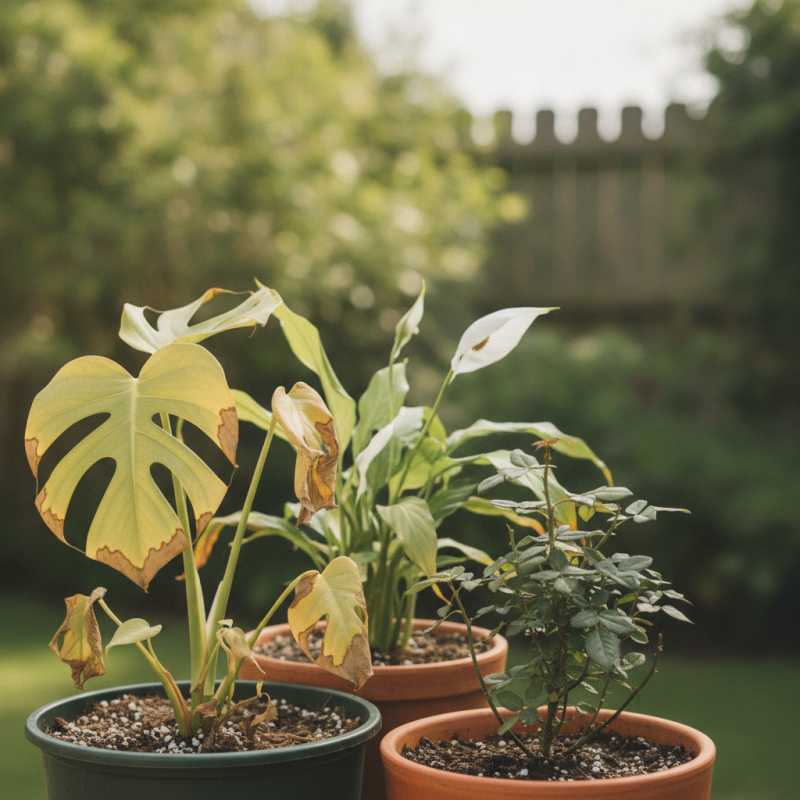
Nutrient deficiencies in plants can lead to stunted growth and poor yields. Observing your plants closely is essential. Yellowing leaves might indicate a nitrogen deficiency. According to research from the American Society of Agronomy, nitrogen is vital for chlorophyll production. Without it, photosynthesis slows down, affecting overall health.
Dark spots on leaves often suggest a lack of potassium. This nutrient helps with water regulation and enzyme activation. Studies show that potassium deficiencies can reduce resistance to diseases. If you notice curling leaves, this could also be a sign of inadequate magnesium, crucial for photosynthesis. A report from the Journal of Plant Nutrition suggests that excess moisture or poor drainage might exacerbate these deficiencies.
Plant health is crucial for a thriving indoor or outdoor garden. One of the most telling signs that your plants require more fertilizer is a noticeable change in leaf color. Healthy green leaves can turn yellow, signaling nutrient deficiencies. This change often starts with the lower leaves. If you notice older leaves fading first, it could indicate a nitrogen deficiency. Newer leaves might also display abnormalities if other nutrients are lacking.
In some cases, leaves can take on a bluish or purplish hue. This could be due to phosphorus deficiency, especially in cooler weather. Meanwhile, a lack of potassium might result in brown leaf edges. These vivid color changes are nature's way of communicating the needs of your plants.
Observing your plants closely can lead to better gardening practices. It’s essential to use good-quality fertilizers, but over-fertilization can also cause harm. Balancing these factors requires attention and adjustment. Seeking local agricultural advice can offer additional insights into your specific plant types. Be prepared for trial and error; gardening is often about learning from our mistakes.
Stunted growth in plants often signals a lack of essential nutrients. According to a report by the American Society of Horticultural Science, nutrient deficiencies can severely hinder plant development. When plants do not receive adequate nitrogen, phosphorus, or potassium, their growth stunts noticeably. Leaves may turn yellow or brown, indicating nutrient imbalances. These visual signs are critical for assessing plant health.
Soil tests can reveal important information about nutrient levels. Studies show that nearly 40% of urban soils are deficient in key micronutrients. This deficiency can lead to roots that struggle to absorb water and nutrients properly. Consequently, this results in poor overall plant health. Observing your plants regularly allows you to catch these signs early, preventing irreversible damage.
Understanding the plant's environmental factors is crucial. Factors like soil pH and moisture levels deeply affect nutrient availability. For instance, a pH level outside the optimal range of 6 to 7 can lock nutrients away from roots. Without a balanced environment, even the best fertilizers may not achieve desired results. Regular monitoring and adjustments based on observation can help ensure your plants thrive.
Abnormal leaf shapes and curling leaves are strong indicators that your plants may need more fertilizer. Healthy leaves should appear smooth and vibrant, while abnormalities often signal nutritional deficiencies. Research indicates that a balanced nutrient supply is crucial. A study published in the Journal of Plant Nutrition shows that nitrogen deficiency can lead to distorted leaf edges and reduced growth rates in many species.
When leaves curl, the plant struggles to absorb nutrients. This can be caused by inadequate levels of essential minerals like potassium and magnesium. An analysis demonstrated that about 50% of home gardeners overlook nutrient needs, leading to inadequate growth. Therefore, understanding your plant’s needs is vital for its development.
Tips:
Always conduct a soil test. This helps determine nutrient levels and pH balance. Adjust your fertilizer application based on test results. Use organic matter to improve soil health. Monitor your plants regularly. If you notice changes in leaf shape, act quickly. Elements like temperature and water can also affect nutrient uptake. Remember, growing plants is a learning process. It's essential to adapt your care methods. Evaluate your approach regularly and make adjustments as needed.
When plants lack sufficient nutrients, they can become more vulnerable to pests. Increased pest activity is often one of the first signs of this nutrient deficiency. According to recent studies, nearly 40% of garden pests thrive in nutrient-poor conditions. For example, aphids and spider mites tend to multiply rapidly when plants are stressed. These insects can quickly damage foliage, leading to reduced plant health.
Moreover, plants that are undernourished often exhibit stunted growth or yellowing leaves, making them weaker. A report from the National Gardening Association found that 60% of home gardeners fail to recognize these signs early on. This can result in infestations that escalate beyond control. Healthy plants are more resilient against pests. They are better equipped to produce natural defenses, such as toxic compounds.
Fertilization is crucial in minimizing plant vulnerability. A balanced approach, using organic or slow-release fertilizers, can foster stronger plants. Research indicates that plants supplemented with adequate nutrients show up to 50% less pest damage. This highlights the direct link between soil health and plant resilience. Investing in proper fertilization not only enhances growth but also creates a robust defense against common pests.
: Common signs include yellowing leaves for nitrogen deficiency and dark spots for potassium deficiency.
Nitrogen is crucial for chlorophyll production, necessary for photosynthesis. Without it, overall health declines.
Curled leaves often signal inadequate magnesium, essential for photosynthesis and nutrient absorption.
An improper pH level can lock nutrients away from roots. Ideal pH is between 6 and 7 for best nutrient availability.
Conducting a soil test provides valuable information about nutrient levels and helps guide fertilizer applications.
Over-fertilization can lead to nutrient runoff, harming the environment and potentially harming plant growth.
Regular monitoring allows you to catch signs of nutrient deficiency early and address issues before they worsen.
Nutrient imbalance may cause stunted growth and poor flowering, affecting overall plant development.
Yes, factors like temperature and moisture levels significantly impact nutrient uptake and plant health.
Using organic matter can enhance soil health, supporting better nutrient absorption and overall plant vitality.
To determine how to tell if plants need more fertilizer, gardeners should observe several key signs indicating nutrient deficiency. One primary indicator is changes in leaf color; yellowing leaves can signify a lack of essential nutrients. Additionally, stunted growth and overall poor development of the plant often suggest that it is not receiving adequate nourishment.
Another noticeable sign is the presence of abnormal leaf shapes or curling leaves, which can point to nutrient imbalances. Lastly, increased pest activity and heightened plant vulnerability may occur as weaker plants struggle to fend off pests. By recognizing these signs, gardeners can make informed decisions about when to add fertilizer to promote healthier plant growth.

TH Fertilizer