Soil health plays a vital role in plant growth. Understanding "Why is soil testing important before fertilizing" can lead to better gardening outcomes. Many gardeners apply fertilizers without assessing their soil first. This often results in poor plant performance or nutrient imbalances.
Testing soil reveals essential nutrient levels. It informs you about pH balance and organic matter content. For example, a soil lacking nitrogen may affect crop yields. When you know what's in your soil, you can choose the right fertilizers. This targeted approach leads to healthier plants and more fruitful harvests.
Neglecting soil testing can lead to over-fertilization. This wastes money and can harm the environment. Some gardeners may think their experience is enough. However, experience alone is not always accurate. A soil test provides valuable data. It helps create a more sustainable and efficient gardening practice.
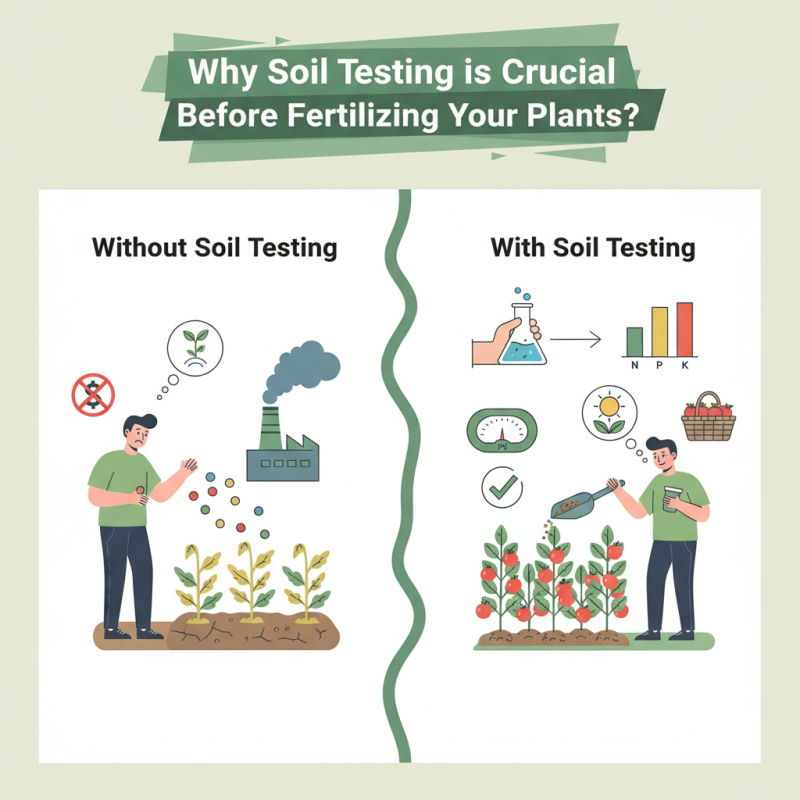
Soil testing plays a vital role in ensuring plants receive the nutrients they need. A healthy plant starts with healthy soil. Testing reveals essential information about pH levels and nutrient availability. For instance, soil that is too acidic or alkaline can stunt growth. By identifying specific deficiencies, you can tailor your fertilization approach more effectively.
Many gardeners assume their soil is optimal for planting. However, this can lead to unexpected results. A common issue is over-fertilization. Too many nutrients can harm plants, leading to poor growth or even die-off. Regular soil testing helps avoid such pitfalls. It also informs you about beneficial microorganisms in the soil. These organisms can enhance nutrient absorption.
Understanding your soil's needs fosters better plant health. Soil testing is not just about checking numbers. It requires interpretation and reflection on the soil's condition. Consider the texture, moisture, and organic matter present. All these factors influence plant growth. By focusing on soil health, you create an environment where plants can thrive.
| Soil Parameter | Optimal Range | Typical Test Result | Action Required |
|---|---|---|---|
| pH Level | 6.0 - 7.5 | 5.8 | Add lime to increase pH |
| Nitrogen (N) | 10 - 20 ppm | 5 ppm | Add nitrogen fertilizer |
| Phosphorus (P) | 5 - 10 ppm | 8 ppm | No action needed |
| Potassium (K) | 100 - 300 ppm | 150 ppm | No action needed |
| Organic Matter | 3% - 5% | 2.5% | Incorporate compost |
Soil nutrients play a vital role in plant growth and overall health. Key nutrients include nitrogen, phosphorus, and potassium, often referred to as N-P-K. According to the USDA, soil nutrient deficiencies can lead to reduced crop yields by up to 50%. Understanding these nutrients and their specific roles can enhance your fertilization strategy. For instance, nitrogen promotes leaf growth, while phosphorus supports root and flower development.
Visualizing nutrient levels in your soil can highlight imbalances. Excess nitrogen might encourage lush foliage but inhibit flowering. Conversely, a lack of potassium can weaken plants, making them susceptible to disease. Soil testing provides insights into nutrient availability and pH levels, guiding you in creating a tailored fertilization plan. Studies show that only 20% of gardeners regularly test their soil, leading to suboptimal plant performance. Regular testing not only improves growth but also conserves resources and minimizes environmental impact.
Soil pH plays a vital role in how well fertilizers work. If the pH is too low or too high, plants struggle to absorb nutrients. Most plants thrive in a slightly acidic to neutral pH range, around 6 to 7. However, many soils are either too acidic or too alkaline. This imbalance can hinder nutrient availability, ultimately affecting plant health.
Regular soil testing is essential. It tells you the pH level and nutrient composition of your soil. When you understand your soil, you can apply fertilizers effectively. A well-informed decision leads to better growth and yield. For example, adding lime can raise acidic soil pH, while sulfur can lower alkaline levels.
Here are some tips. Test your soil every few years. Use a simple home testing kit or send a sample to a lab. Monitor any changes in plant growth. If plants show signs of nutrient deficiency, check the pH level. Adjust your fertilizer application accordingly. Inconsistent pH can squander your investment in fertilizers and hinder plant development. A little effort goes a long way in ensuring success.
Soil testing is essential for identifying deficiencies that can affect plant growth. Common deficiencies include nitrogen, phosphorus, and potassium. Nitrogen aids in leaf development. A lack of it results in yellowing leaves. Adding a nitrogen-rich fertilizer can remedy this.
Phosphorus is crucial for root and flower development. Deficient soil may lead to stunted growth. Observing reddish-purple leaves can indicate this issue. Applying bone meal or rock phosphate can enhance phosphorus levels.
Potassium plays a key role in overall plant health. It regulates water and nutrients, impacting fruit quality. Symptoms of deficiency include browning leaf edges. To address this, consider using potassium sulfate or greensand. Testing your soil can help pinpoint these deficiencies. Adjusting accordingly can lead to a healthier garden.
Tips: Regular soil tests can prevent hidden issues. A balanced fertilizer may not be enough. Observe your plants closely for signs of stress or nutrient imbalance. The wrong approach may worsen the situation. Always be ready to adapt your methods based on your findings.
Soil testing is a vital step before applying fertilizers. Understanding your soil's nutrient levels can drastically influence plant growth. Here are some best practices for conducting soil tests effectively.
When collecting soil samples, make sure to gather from several spots in your garden. This avoids discrepancies caused by uneven nutrient distribution. Aim for at least 15 samples, mixing them well to create a composite sample. It’s essential to remove debris like leaves and rocks. A clean sample leads to more accurate results.
Tips: Always use clean instruments. Contaminants can skew your results.
After sending your sample to a lab, review the report carefully. Look for information on pH, nitrogen, phosphorus, and potassium levels. Understanding these components is crucial. You might find unexpected deficiencies or excesses that could harm your plants.
Tips: Don't hesitate to seek expert advice on interpreting results. A misunderstanding can lead to improper fertilization.
Improper soil testing can cost you time and money. It’s better to invest time in getting it right. Regular tests help maintain soil health and promote productive gardening. Always stay informed about the best practices.
: Soil testing reveals essential information about pH levels and nutrient availability. It helps tailor fertilization effectively.
It can stunt plant growth. Plants struggle to absorb nutrients at extreme pH levels.
Regular testing every few years is recommended. It ensures ongoing health and performance of plants.
Key nutrients include nitrogen, phosphorus, and potassium. Each plays a distinct role in plant growth.
Yes, too many nutrients can lead to poor growth or die-off. Testing avoids excess applications.
Soil texture influences moisture retention and aeration. It’s essential to consider for healthy plants.
Look for poor growth, yellowing leaves, or lack of flowers. These may indicate a need for testing.
Yes, inappropriate pH levels hinder nutrient absorption. Maintaining a neutral pH helps fertilizers work better.
Check soil pH and nutrient levels. Adjust your fertilization approach based on the test results.
No, studies show only 20% test their soil regularly. This can lead to less optimal plant performance.
Soil testing is essential for maintaining optimal plant health, as it provides critical information about soil nutrient levels and their respective roles in supporting plant growth. Understanding why is soil testing important before fertilizing helps gardeners apply the right amount and type of fertilizer, thereby enhancing effectiveness and preventing nutrient imbalances.
Additionally, soil pH plays a significant role in fertilizer efficiency, as it can influence how well plants absorb nutrients. By identifying common deficiencies and their remedies through soil testing, gardeners can tailor their fertilization strategies to address specific needs. Following best practices for conducting soil tests ensures accurate results, leading to healthier plants and more productive gardens.
TH Fertilizer