What is Molybdenum Fertilizer and How is it Used?

Time:2026-03-30 Author:Henry
0%

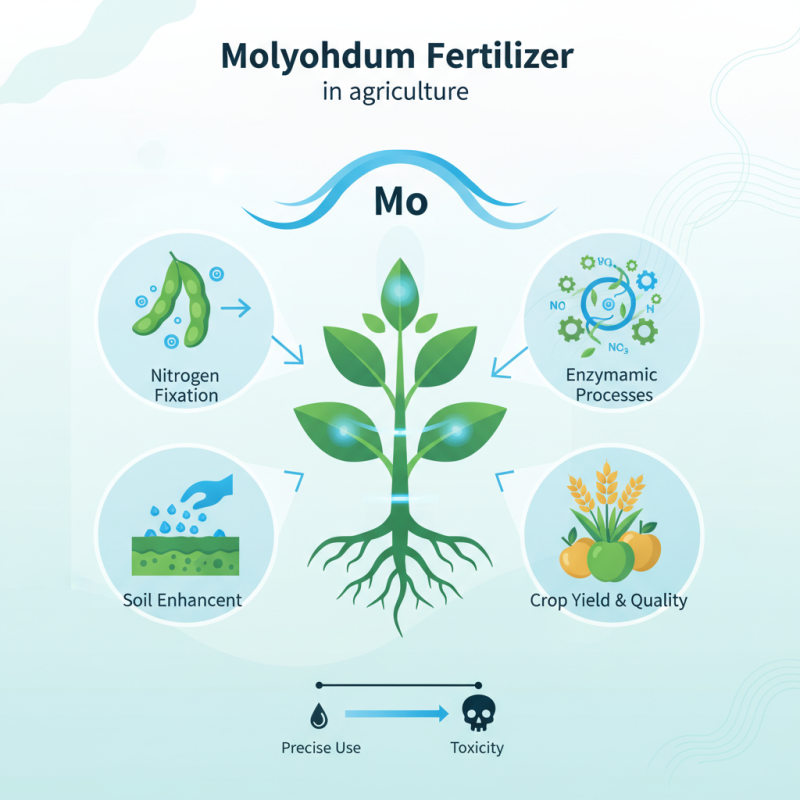
Molybdenum Fertilizer plays a crucial role in modern agriculture, often overlooked yet essential for plant health. According to the Food and Agriculture Organization, molybdenum is a micronutrient vital for nitrogen fixation in legumes. Inadequate molybdenum can lead to reduced crop yields and poor plant quality. Research shows nearly 90% of plants require molybdenum for optimal growth. This highlights its significance in sustainable farming practices.

Farmers add Molybdenum Fertilizer to enhance soil nutrient profiles, particularly in areas with deficient soils. This micronutrient promotes vital enzymatic processes, essential for synthesizing amino acids. However, the application of molybdenum must be precise. Excessive use may lead to toxicity, affecting crop health and soil balance. Balancing use requires careful planning and expert guidance.

As more farmers pursue high-yield crops, understanding Molybdenum Fertilizer becomes integral. It can significantly impact agricultural productivity, yet it demands informed application. The agricultural sector must reflect on its nutrient management strategies. Proper education on molybdenum application can empower farmers, leading to better decision-making and sustainable practices.
What is Molybdenum Fertilizer and How is it Used?

What is Molybdenum Fertilizer? Definition and Composition

Molybdenum fertilizer is a crucial micronutrient for plant health. It contains molybdenum, a trace element essential for nitrogen metabolism in plants. The typical composition includes 54% molybdenum trioxide (MoO3), which provides an effective source of this nutrient.

Research indicates that molybdenum plays a significant role in the symbiotic relationship between legumes and nitrogen-fixing bacteria. A 2021 report published by the International Fertilizer Association highlighted that molybdenum can enhance nitrogen fixation by up to 30%. This increase can lead to better crop yields, particularly in legumes like soybeans and peas.

While molybdenum is vital, it must be applied correctly. Excessive use can lead to toxicity, impacting plant growth negatively. Field studies displayed varied responses to molybdenum application based on soil types and existing nutrient levels. This inconsistency urges farmers to conduct soil tests before using molybdenum fertilizers. Moreover, research emphasizes the importance of balancing molybdenum with other nutrients, as the interactions can significantly affect soil health and crop production.

Importance of Molybdenum in Plant Nutrition and Growth

Molybdenum plays a crucial role in plant nutrition. It is an essential micronutrient that helps in the synthesis of enzymes. These enzymes assist in nitrogen fixation and nitrogen metabolism. Studies suggest that up to 50% of the total nitrogen content in some plants relies on effective molybdenum availability. This is especially true for legumes, which need it for the formation of root nodules.

Deficiency in molybdenum can lead to significant growth issues. Symptoms include stunted growth and yellowing leaves, particularly in crops like peas and beans. According to research from the Food and Agriculture Organization (FAO), nearly 50% of soils in various regions may lack adequate molybdenum. This indicates a potential risk for reduced agricultural yields. Ensuring proper molybdenum levels is essential for maximizing crop output and maintaining soil health.

Applying molybdenum fertilizers can enhance crop resilience. When used correctly, they can improve nutrient uptake and support overall plant health. However, careful management is necessary. Overapplication can lead to toxicity. Soil tests are recommended to determine the right amounts. This tailored approach can help farmers avoid common pitfalls and ensure better harvests.

Recommended Application Rates of Molybdenum Fertilizer in Agriculture

Molybdenum is an essential micronutrient for plants. It plays a critical role in nitrogen fixation and enzyme function. This metal helps crops convert nitrogen into a form they can use, boosting growth. Applying molybdenum fertilizer can enhance the overall health of various crops. However, understanding the right application rates is crucial for effective results.

Recommended application rates of molybdenum fertilizer vary by crop and soil type. Typically, farmers apply between 0.5 to 1 pound per acre. For legumes, the need may increase due to their high reliance on nitrogen. Soil tests can help determine precise needs. Excessive use may lead to toxicity, affecting plant health.

Fertilizer application shouldn’t be a one-size-fits-all approach. It requires careful observation and testing. Some growers underestimate the impact of soil quality on nutrient uptake. Correctly measuring and observing crop responses can lead to better practices. Continuous learning and adjustment are key to success in molybdenum fertilization.

Effects of Molybdenum Deficiency on Crop Yields and Quality

Molybdenum is a trace element crucial for plant growth. Its deficiency can severely impact crop yields and quality. Without adequate molybdenum, plants struggle to complete essential processes, leading to subpar growth. Symptoms of deficiency include yellowing leaves and stunted development. These visible signs can signal that crops are not achieving their full potential.

Crops such as legumes are particularly sensitive to molybdenum shortages. They rely on this element for nitrogen fixation, a vital process for plant nutrition. If molybdenum levels are low, legume crops yield significantly less. Farmers often overlook this nutrient, focusing instead on more common fertilizers. This oversight can lead to diminished harvests and lower market value.

However, applying molybdenum isn't straightforward. Over-application can cause toxicity, which presents its own set of challenges. Knowledge of local soil conditions is critical for effective use. Research on molybdenum availability is essential for farmers seeking optimal results. Understanding soil chemistry can help avoid nutrient imbalances. Cultivating expertise around molybdenum use is key to maximizing crop production.

Molybdenum Deficiency Effects on Crop Yields

Molybdenum deficiency can significantly affect the yields of various crops. This chart illustrates the percentage of yield loss across different types of crops due to insufficient molybdenum levels.

Methods of Application and Best Practices for Molybdenum Fertilizer Use

Molybdenum fertilizer is used to enhance crop growth, especially legumes. Its application methods vary, depending on the specific needs of the plants. One common method is soil application. This involves incorporating the fertilizer into the soil before planting. Another option is foliar spraying. This method delivers nutrients directly to the leaves for quicker absorption.

Tips for effective application include testing soil for nutrient levels. This helps determine how much molybdenum is needed. Over-application can be harmful to plants and the environment. It's also crucial to consider timing. Applying molybdenum during the early growth stages can maximize its benefits.

While molybdenum is essential, caution is needed to avoid deficiency. Plants can show symptoms like yellowing leaves. Observing your crops regularly can help identify issues early. Adjusting fertilizer practices may be necessary if deficiencies appear. Timing and method are vital for optimal results.

FAQS

: What is molybdenum fertilizer?

: Molybdenum fertilizer is a micronutrient crucial for plant health. It supports nitrogen metabolism in plants.

What is the typical composition of molybdenum fertilizer?

It usually contains 54% molybdenum trioxide (MoO3), providing an effective source for crops.

How does molybdenum support crop yields?

Molybdenum enhances nitrogen fixation, particularly in legumes. This can lead to a 30% increase in crop yields.

What happens if plants are deficient in molybdenum?

Deficiency leads to yellowing leaves and stunted growth. Crops may fail to reach their full potential.

Which crops are most affected by molybdenum deficiency?

Legumes, such as soybeans and peas, are particularly sensitive due to their reliance on nitrogen fixation.

Can excessive molybdenum application be harmful?

Yes, over-application can cause toxicity, negatively impacting plant growth and soil health.

Why is soil testing important before applying molybdenum?

Soil tests reveal existing nutrient levels, helping to avoid imbalances and ensure effective fertilization.

What other factors should be considered when applying molybdenum?

Balancing molybdenum with other nutrients is essential. Interactions can greatly affect crop production and soil health.

How can farmers improve their use of molybdenum fertilizer?

Educating themselves on local soil conditions and conducting research on molybdenum availability can enhance results.

What common mistake do farmers make regarding molybdenum?

Many overlook molybdenum and focus on more common fertilizers, which can lead to diminished harvests.

Conclusion

Molybdenum Fertilizer is a specialized nutrient source that provides molybdenum, an essential micronutrient for plant growth and development. This fertilizer plays a crucial role in various plant physiological processes, including nitrogen fixation and enzyme function, which significantly impact crop yields. Understanding the recommended application rates is vital for optimal agricultural practices, as too little molybdenum can lead to deficiencies, adversely affecting both crop quality and quantity.

Application methods for Molybdenum Fertilizer vary, but best practices include soil incorporation or foliar sprays to ensure efficient uptake by plants. Farmers should be mindful of molybdenum levels in their soil, as deficiencies can manifest in symptoms such as stunted growth and reduced yields. Overall, the appropriate use of Molybdenum Fertilizer can enhance agricultural productivity and promote healthier crops, making it an essential component of modern farming.

Henry

Henry

Henry is a dedicated marketing professional with a profound expertise in the company's offerings. With years of experience in the industry, he possesses an impressive understanding of the market dynamics and consumer behaviors that drive success. Henry is committed to sharing his insights through......