Soil quality is essential for successful agriculture. Poor soil can hinder plant growth and reduce crop yields. Understanding how to improve soil quality with fertilizer is crucial. According to Dr. Emily Carter, an expert in soil science, "Healthy soil is the foundation for healthy crops." Her insights guide many farmers today.
Fertilizers play a vital role in enhancing soil health. They add nutrients that crops need. However, choosing the right fertilizer is complex. Not all fertilizers work the same way. Overuse can lead to problems like nutrient runoff. This can affect water quality and disrupt local ecosystems. Balancing fertilizer application with soil needs requires knowledge and careful planning.
Farmers often overlook soil testing. Understanding nutrient levels allows for informed decisions. It can lead to more effective fertilizer use. Additionally, incorporating organic materials can enhance soil health. However, many might not see immediate results from these practices. Improving soil quality takes time and patience. Embracing a comprehensive approach is essential for lasting success.
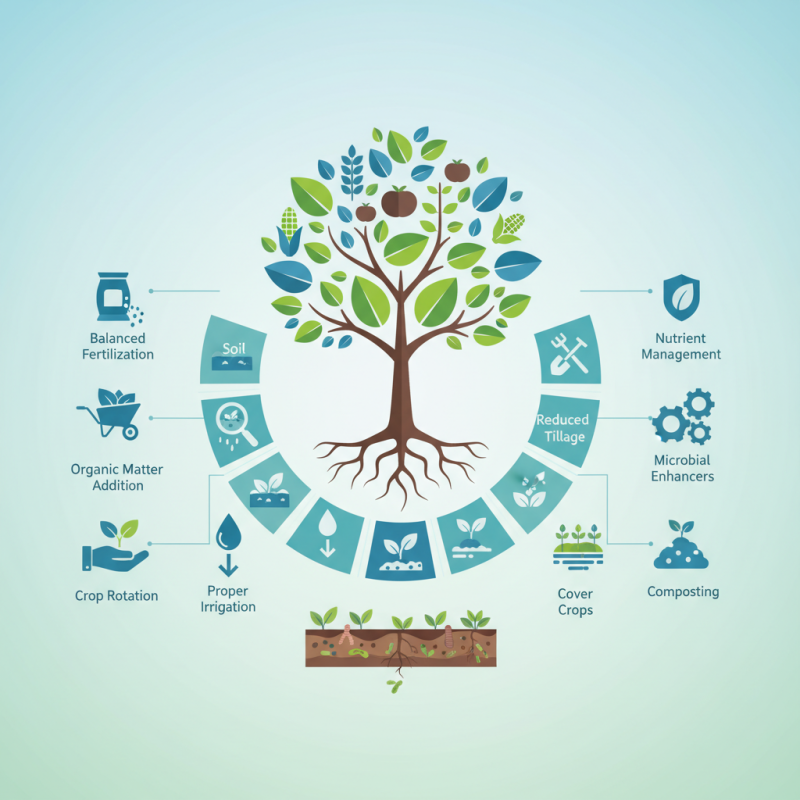
Soil quality is essential for successful agriculture. Healthy soil supports root growth, water retention, and nutrient availability. Farmers need to understand that soil is a living ecosystem. Microorganisms and organic matter play crucial roles in maintaining soil health.
Improving soil quality often requires careful consideration of fertilizer use. Over-application can lead to nutrient runoff and pollution. Instead, farmers should focus on balanced applications. Soil tests reveal nutrient deficiencies, guiding precise fertilizer use. Adding organic matter, like compost, can enhance soil structure and fertility. Incorporating cover crops also improves soil health by preventing erosion and fixing nitrogen.
Not every method works for every farm. Each field has unique conditions. Sometimes, practices may seem effective but can lead to long-term issues. Farmers might need to experiment and adapt. It's a journey of learning and adjusting. Sustainable practices require ongoing assessment and reflection.
| Method | Description | Benefits |
|---|---|---|
| Adding Organic Matter | Incorporating compost, manure, or other organic materials into the soil. | Improves soil structure, increases water retention, and enhances microbial activity. |
| Use of Cover Crops | Planting crops to cover the soil during off-seasons. | Prevents erosion, adds nutrients, and suppresses weeds. |
| Soil Testing | Analyzing soil to determine nutrient levels and pH balance. | Helps tailor fertilization practices to specific soil needs. |
| Applying Balanced Fertilizers | Using fertilizers that provide a balance of essential nutrients. | Promotes healthy plant growth and improves crop yields. |
| Crop Rotation | Rotating crops yearly to prevent soil nutrient depletion. | Enhances soil fertility and disrupts pest cycles. |
| Mulching | Applying a layer of organic or inorganic material on the soil surface. | Reduces moisture loss, suppresses weeds, and adds organic matter. |
| Minimal Tillage | Reducing the amount of soil disturbance during planting. | Preserves soil structure and enhances biological activity. |
| Water Management | Implementing effective irrigation practices to maintain soil moisture. | Improves nutrient absorption and promotes healthy root development. |
| Adding Micronutrients | Supplementing soil with essential trace elements. | Enhances plant growth and resilience against diseases. |
| Maintaining Soil pH | Adjusting pH levels through lime or sulfur applications as needed. | Optimizes nutrient availability for plants. |
: Fertilizers enhance soil nutrient content, vital for healthy plant growth. They directly impact global food security.
Organic fertilizers boost microbial activity and improve soil structure. They can enhance nutrient retention by up to 50%.
Soil tests reveal nutrient amounts and pH levels. This knowledge allows for precise fertilization, avoiding over-fertilization issues.
Over-fertilization can cause nutrient runoff, harming nearby water bodies. This raises serious environmental concerns.
Alternating between organic and inorganic fertilizers can maximize nutrient availability while maintaining soil health.
Regular soil testing before and after fertilizer application helps assess nutrient levels and guides future applications.
Yellowing leaves or stunted growth may signal nutrient deficiencies. Adjusting fertilizer types based on these signs is crucial.
Keep a record of the type, amount, and timing of applications. This information is vital for making future decisions.
Many farmers neglect soil testing, missing out on valuable insights. About 70% of tests reveal nutrient deficiencies.
Choosing the right fertilizer mix requires understanding soil needs. Without testing, achieving balance can be quite difficult.
Improving soil quality is crucial for sustainable agriculture, and understanding its importance is the first step towards better farming practices. Fertilizers play a significant role in enhancing soil nutrient content, which is vital for healthy plant growth. By choosing the right types of fertilizers, farmers can directly influence soil quality, as different fertilizers have unique effects on nutrient availability and soil health.
To effectively learn how to improve soil quality with fertilizer, it is essential to adopt best practices for application. This includes determining the appropriate dosage and timing to align with plant needs. Additionally, ongoing monitoring and adjustment of soil quality after fertilizer application are necessary to ensure long-term benefits. By following these guidelines, farmers can significantly enhance their soil health, leading to more productive and sustainable agricultural practices.

 TH Fertilizer