Why Different Fertilizers Are Essential for Indoor Plants?

Time:2026-06-04 Author:Liam
0%

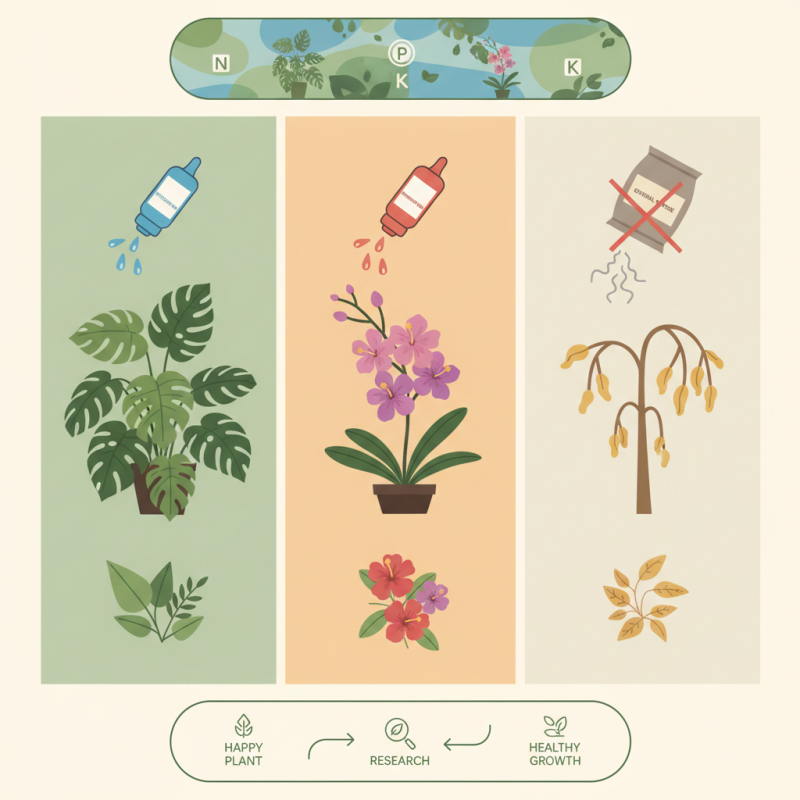
Indoor plants have become increasingly popular, yet many owners overlook a key aspect of their care. Why do indoor plants need different fertilizers? Each type of plant has unique nutrient requirements. For instance, leafy greens may thrive on nitrogen-rich fertilizers, while flowering plants benefit from higher phosphorus content.

Fertilizers vary in composition and affect plant growth in distinct ways. A balanced nutrient supply ensures vibrant color, robust growth, and resilience against pests. Without proper fertilization, plants might show signs of stress. They may become leggy or lose their vibrant leaves. This shows that understanding the specific needs of your plants is crucial.

Choosing the right fertilizer can be daunting. Many gardeners rely on general-purpose products. However, these fertilizers may not address the individual needs of various species. A little research can go a long way. Each plant is unique and may require a tailored approach. Ultimately, investing time in learning about these differences will lead to healthier indoor plants.
Why Different Fertilizers Are Essential for Indoor Plants?

Importance of Nutrients for Indoor Plant Growth

Indoor plants require a balanced blend of nutrients to thrive. Essential nutrients include nitrogen, phosphorus, and potassium. Each plays a vital role in plant health. Nitrogen promotes lush foliage, phosphorus supports strong root growth, and potassium helps flowering and fruiting. Without these nutrients, plants can show signs of distress, such as yellow leaves or stunted growth.

To ensure your indoor plants receive the right nutrients, consider using different fertilizers. Organic options often provide a slow release of nutrients, promoting sustained growth. Synthetic fertilizers can deliver quick results. Each type has its merits and drawbacks. Remember, over-fertilizing can lead to nutrient burn. Always follow recommended guidelines to avoid harming your plants.

**Tip:** Observe your plants regularly. Look for signs of nutrient deficiencies, such as discoloration. Adjust your fertilizing routine based on the plants’ needs.

**Tip:** Keep a journal of your plants’ growth. Note changes when you switch fertilizers. This can help you learn what works best for each type of plant.

Why Different Fertilizers Are Essential for Indoor Plants? - Importance of Nutrients for Indoor Plant Growth

Nutrient Role in Plant Growth Common Sources Deficiency Symptoms
Nitrogen (N) Essential for leaf and stem growth Urea, Ammonium sulfate Yellowing leaves, stunted growth
Phosphorus (P) Promotes root development and flowering Bone meal, Rock phosphate Dark green or purplish leaves, poor flower production
Potassium (K) Regulates water balance and improves disease resistance Wood ashes, Potassium sulfate Curling leaves, weak stems, susceptibility to disease
Calcium (Ca) Important for cell wall structure and growth Lime, Gypsum Blossom end rot, tip burn
Magnesium (Mg) Central component of chlorophyll, aids in photosynthesis Epsom salt Interveinal chlorosis, leaf drop
Iron (Fe) Vital for chlorophyll synthesis Iron chelate, Ferrous sulfate Yellowing leaves with green veins

Types of Fertilizers Suitable for Indoor Plants

When it comes to indoor plants, choosing the right fertilizer is crucial for their growth. There are various types of fertilizers available, and each type meets different plant needs. For instance, liquid fertilizers provide quick nutrient absorption. This is especially beneficial for plants in potting soil that may lack essential elements. A well-balanced liquid fertilizer can encourage healthy foliage and flowering.

Granular fertilizers are another option. They release nutrients slowly over time, ensuring a steady supply for your plants. This type is helpful for busy plant owners who may forget to fertilize regularly. However, over-application can lead to nutrient burn, which is a common concern. Taking care to follow the recommended dosage is essential. Soil testing can help determine the right amount of nutrients required for your specific plants.

Organic fertilizers have gained popularity due to their natural composition. They improve soil quality and promote beneficial microorganisms. However, they may take longer to show results compared to synthetic options. Experimenting with different types can lead to fruitful discoveries. Yet, it is important to stay informed and observe how your plants respond to each fertilizer type. Understanding their needs ensures a thriving indoor garden.

How Fertilizers Address Specific Plant Needs

Fertilizers play a crucial role in meeting the specific needs of indoor plants. Different plants have unique nutrient requirements based on their growth stage and species. For instance, flowering plants often need more phosphorus for bloom development. In contrast, leafy greens thrive on nitrogen to support lush foliage. Tailoring the fertilizer to these needs can lead to healthier plants.

Understanding the nutrient content is essential. Nitrogen promotes growth, phosphorus aids root and flower development, and potassium strengthens overall plant health. Indoor plants without proper nutrition can show signs of distress. Yellowing leaves, stunted growth, or poor flowering indicate a nutrient deficiency. These symptoms highlight the importance of using fertilizers that target specific needs.

Experimenting with different fertilizers can be enlightening. Some gardeners may find success with organic options, while others prefer synthetic fertilizers. Observing how plants respond to various fertilizers can lead to better choices in the future. Indoor gardening is a journey of learning, and trial and error is normal. Careful monitoring of plant health will help you refine your fertilization approach.

Application Methods for Indoor Plant Fertilizers

Indoor plants thrive best when given the right nutrients. Understanding application methods for fertilizers can significantly enhance plant health. Research from the American Society for Horticultural Science indicates that using tailored fertilizers can increase plant growth by 30% or more. This shows that applying the right type of fertilizer in the correct way can lead to noticeable improvements.

Foliar application is one effective method. Spraying a diluted fertilizer solution directly onto leaves allows for quick absorption. Studies suggest that foliar feeding can supply nutrients within hours. This is particularly beneficial for indoor plants, which often face nutrient deficiencies due to limited soil volume. Another method involves using slow-release fertilizers. These release nutrients gradually, ensuring plants have access to sustenance over time. It's essential, however, to adjust application rates based on plant size and type. Too much can lead to toxicity, while too little may hinder growth.

Understanding the specific needs of each plant species is crucial. For example, leafy greens require different nutrients than flowering plants. Gardeners must also be mindful of water-soluble vs. granular fertilizers, as they affect how quickly nutrients become available. Reflecting on past experiences can offer valuable lessons in fertilizer application. Always consider adjusting your methods based on observed plant responses.

Common Mistakes in Fertilizer Use for Indoor Plants

Using fertilizers for indoor plants can be tricky. Many plant owners make common mistakes that can hinder growth. One major error is over-fertilizing. It’s easy to think more is better, but excess nutrients can harm plants. They may show signs of brown leaf tips or stunted growth. This is often overlooked by enthusiastic gardeners who want fast results.

Another mistake is not considering the specific needs of the plants. Each indoor species has different requirements. A cactus may thrive on minimal nutrients, while a tropical plant may need a richer blend. Using the wrong type can lead to poor health. Also, many overlook the importance of soil quality. Poor soil can prevent nutrients from reaching the plant roots effectively.

Timing is crucial, too. Fertilizing during dormancy can stress plants. They don’t need the extra nutrients when they’re not actively growing. Not understanding these factors can lead to frustration. It’s vital to observe how your plants respond. Each one is unique and will guide you in your approach. Being attentive allows for adjustments and promotes a healthier indoor garden.

Importance of Different Fertilizers for Indoor Plants

This chart illustrates the essential nutrients provided by different types of fertilizers commonly used for indoor plants, helping to avoid common mistakes in fertilizer application.

FAQS

: Why do indoor plants need nutrients?

: Nutrients are crucial for plant health. They help with foliage, root growth, and flowering.

What are essential nutrients for indoor plants?

Important nutrients include nitrogen, phosphorus, and potassium. Each plays a vital role in growth.

How can I tell if my plant has nutrient deficiencies?

Look for signs like yellow leaves or stunted growth. Discoloration is a key indicator.

What types of fertilizers are best for indoor plants?

Liquid and granular fertilizers work well. Liquid offers quick absorption, while granular provides slow release.

How do I apply fertilizers correctly?

Follow the recommended dosage. Over-fertilizing can lead to nutrient burn and harm the plants.

What is foliar application?

It’s spraying diluted fertilizer on leaves for quick nutrient absorption. This method can be very effective.

How often should I fertilize my indoor plants?

It depends on the plant species and fertilizer type. Observe your plants to adjust the frequency.

Can organic fertilizers be effective?

Yes, they improve soil quality but may take longer to show results compared to synthetic options.

Should I keep a record of my plants’ growth?

Yes, maintaining a journal helps track changes with different fertilizers. This can improve your plant care methods.

What can I learn from past fertilizer applications?

Reflecting on experiences helps identify what worked and what didn’t. Adjust methods based on what you observed.

Conclusion

Indoor plants thrive on a variety of nutrients, which is why understanding "why do indoor plants need different fertilizer" is crucial for their health and growth. Each type of fertilizer provides specific nutrients required by plants at different growth stages. When choosing fertilizers, it's essential to consider the unique needs of your indoor plants, whether they require more nitrogen for foliage growth or potassium for flowering.

Additionally, application methods play a significant role in ensuring that plants receive the right nutrients. Common mistakes such as over-fertilization or using inappropriate types can hinder plant development. By addressing these factors, indoor plant enthusiasts can create the ideal environment for their green companions to flourish.

Liam

Liam

Liam is a dedicated marketing professional with a profound expertise in the industry, where he excels at highlighting the unique advantages of our core products. With a keen understanding of market trends and consumer needs, Liam frequently updates our company’s professional blog, providing......