Proper feeding techniques play a crucial role in gardening success. As many gardeners know, the right nutrients can make a significant difference. Why do plants grow better with proper feeding? The answer lies in their ability to absorb essential minerals. These minerals support vital functions such as photosynthesis and root development.
Many plant enthusiasts overlook the importance of balanced nutrition. Without proper feeding, plants may become weak. They could also show stunted growth or yellowing leaves. Regularly replenishing soil nutrients can improve plant health dramatically. Inadequate nutrition can lead to frustration, even for experienced gardeners. Soil quality often varies, making it necessary to adjust feeding techniques.
Understanding how to feed your plants properly is essential. Research shows that feeding can enhance crop yields and vigor. Proper techniques foster healthy growth and maximize potential. When plants thrive on nutrients, they become more resilient to pests and diseases. Gardening requires ongoing learning. Each season provides unique challenges and lessons in proper feeding.
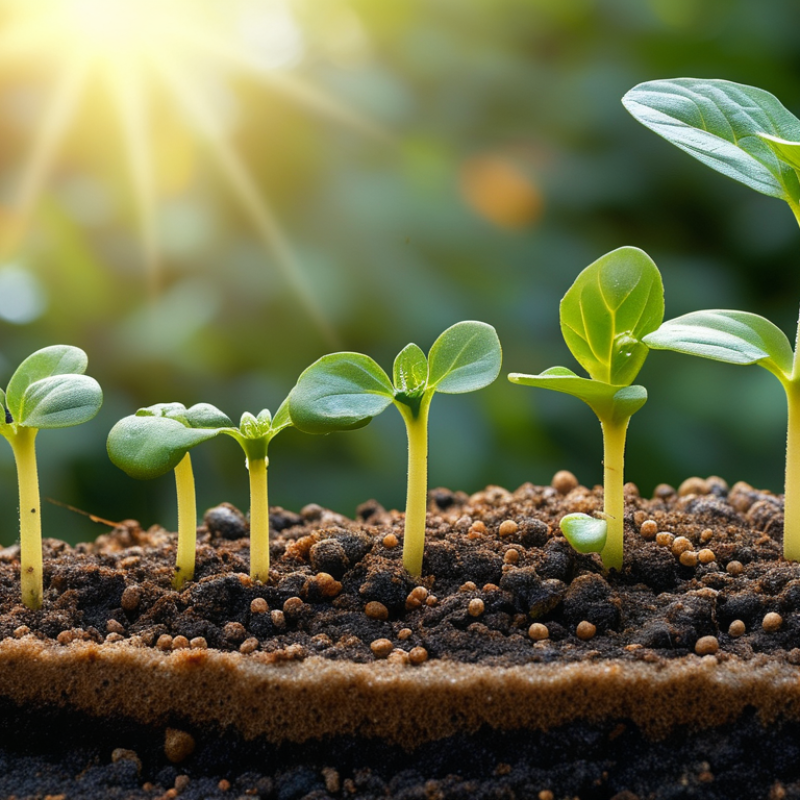
Understanding the nutrient requirements for different plant types is vital for their thriving. Plants require a mix of macronutrients and micronutrients. Macronutrients include nitrogen, phosphorus, and potassium. Micronutrients, like iron and manganese, are also crucial for healthy growth. According to a report by the USDA, a proper balance of these nutrients can increase crop yields by up to 30%.
Different plants have unique needs. For example, leafy greens thrive on higher nitrogen levels, while flowering plants benefit from more phosphorus. This specificity highlights a common mistake: universal feeding techniques often fail to meet the individual requirements of various species. Gardens filled with diverse flora need tailored fertilization plans.
Soil testing is vital. Conducting tests can reveal which nutrients are deficient. Without this, there’s a risk of over-fertilizing or under-fertilizing. Over-fertilization can lead to nutrient burn and soil degradation. Conversely, under-fertilization may stunt growth and reduce plant health. Recognizing the signs of nutrient deficiencies, such as yellowing leaves or stunted growth, is essential for effective plant care.
: Organic fertilizers improve soil health, enhance structure, and increase microbial activity. They support long-term plant benefits.
They release nutrients slowly, which may frustrate some gardeners seeking quick results for their plants.
Chemical fertilizers provide nutrients rapidly, promoting quick growth, especially under difficult conditions.
Overuse can damage soil health, lead to nutrient imbalances, and harm beneficial soil organisms.
Regular testing helps monitor nutrient levels and ensures balanced fertilization for optimal plant growth.
Many assume that more nutrients mean better growth, leading to potential over-fertilization and soil toxicity.
Different growth stages require varying nutrient ratios. For example, flowering plants need more phosphorus.
Symptoms like yellowing leaves often suggest that nutrition adjustments are necessary for healthy growth.
It's important to consider the long-term impacts of fertilizer use and monitor plant health regularly.
Achieving the correct balance between organic and chemical options takes time, experience, and careful observation.
Proper feeding techniques are essential for ensuring that plants thrive, as they provide the necessary nutrients that support growth and health. Understanding the specific nutrient requirements for different plant types helps in tailoring feeding strategies. The choice between organic and chemical fertilizers can significantly impact plant vitality, making it crucial to select the right option. Additionally, timing your feeding schedule aligns with the plant's growth stages, promoting optimal development.
Moreover, effective application techniques ensure even nutrient distribution, minimizing waste and maximizing benefits. Regular monitoring and adjusting of nutrient levels are vital for maintaining plant health, allowing for timely interventions if deficiencies arise. Ultimately, the question of "Why do plants grow better with proper feeding?" is answered through the balanced provision of nutrients, which fosters robust growth, improved yields, and vibrant health in plants.

 TH Fertilizer