Plants rely on nutrients to thrive. The question is, "Why do plants need fertilizer to grow?" Fertilizer provides essential elements for plant health. These include nitrogen, phosphorus, and potassium, which contribute to growth and resilience.
Effective fertilizer use can lead to lush gardens and bountiful harvests. However, it's important to apply the right amount. Over-fertilizing can cause nutrient imbalances and harm plants. Understanding your soil and plant needs is crucial.
Choosing the appropriate fertilizer type adds to the complexity. Organic versus synthetic options can have different effects. Some may prefer a natural approach while others opt for quick-release solutions. Experimenting might be necessary. Eventually, with careful consideration and observation, you can enhance plant growth effectively.
Understanding Different Types of Fertilizers and Their Components
Fertilizers are crucial for plant health. They provide essential nutrients, allowing plants to thrive. Understanding different types of fertilizers can enhance your gardening experience.
Broadly, fertilizers can be classified into organic and inorganic options.
Organic fertilizers, derived from natural sources, enrich the soil with nutrients. Common examples include compost, manure, and bone meal. These materials improve soil structure and promote beneficial microorganisms. However, they release nutrients slowly, which may not suit all plants.
In contrast, inorganic fertilizers contain synthetic compounds. They offer immediate nutrients, promoting quick growth. But, overuse can lead to soil degradation and water pollution.
Each fertilizer type has its own components. Nitrogen, phosphorus, and potassium are primary macronutrients. They support various plant functions, from leaf growth to flower production. Some fertilizers also include micronutrients, which are vital in smaller amounts.
Understanding your plants' needs is essential. Over-fertilizing can harm them, while under-fertilizing may stunt their growth. Always test your soil. This way, you can tailor your fertilizer usage effectively.
Determining the Nutritional Needs of Your Plants for Effective Fertilization
Understanding the nutritional needs of your plants is crucial for effective fertilization. Each plant species has unique requirements. For instance, leafy vegetables thrive on nitrogen-rich fertilizers, while flowering plants benefit from phosphorous. Observing the color and growth patterns of your plants can provide hints about their nutritional status. Yellowing leaves may indicate a nitrogen deficiency, while stunted growth could signal a lack of essential nutrients.
Conducting soil tests can help you determine what your garden lacks. These tests reveal pH levels and nutrient deficiencies. Based on the results, you can select fertilizers that address specific needs. Don't assume that all plants will respond the same way to fertilizers. Some might show improvement quickly, while others may take time. Adjust your approach based on their responses. Observe closely, and learn from the outcomes. Tracking the effects of fertilization will refine your methods over time, leading to better results.
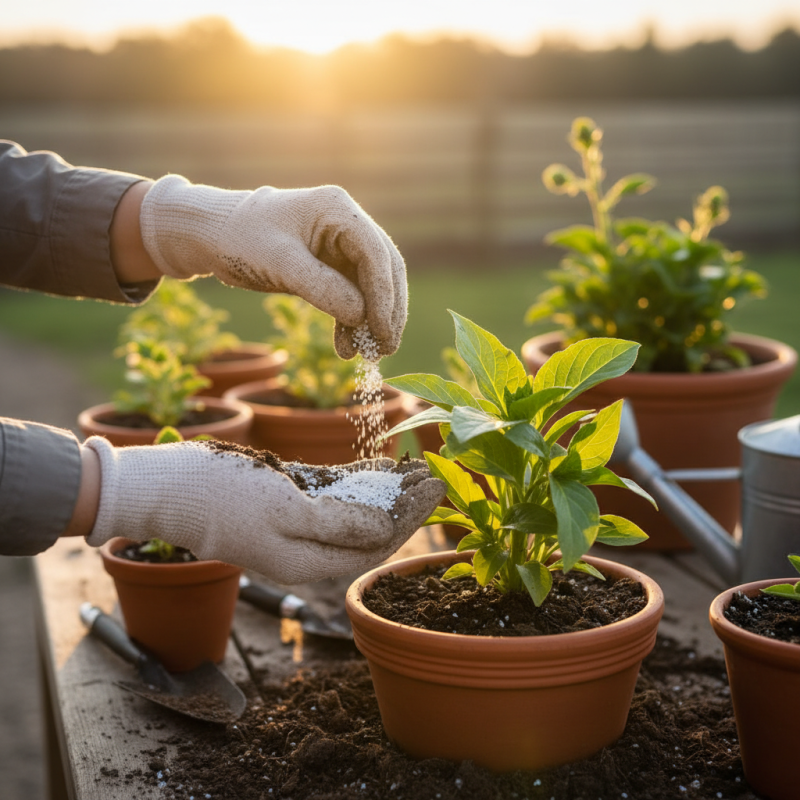
How to Use Fertilizer Effectively for Healthy Plant Growth
| Plant Type |
Nutritional Needs |
Recommended Fertilizer Type |
Application Frequency |
Best Season for Use |
| Tomatoes |
High in Nitrogen and Potassium |
Organic Compost |
Every 4-6 weeks |
Spring-Summer |
| Lettuce |
High in Nitrogen |
Liquid Fertilizer |
Every 2-3 weeks |
Spring-Fall |
| Roses |
Balanced NPK |
Rose Fertilizer |
Every 6 weeks |
Spring-Summer |
| Cucumbers |
High in Potassium |
Slow-Release Granules |
Every 4 weeks |
Spring-Summer |
| Herbs |
Low to Moderate Nutrients |
General Purpose Fertilizer |
Every 4-6 weeks |
Various, depending on type |
Choosing the Right Application Method for Your Garden or Landscape
Choosing the right application method for your garden or landscape is essential for promoting healthy plant growth. The application process can significantly impact nutrient uptake. According to the American Society of Horticultural Science, effective application methods increase nutrient absorption by up to 30%. Adjusting your approach can make a noticeable difference.
Liquid fertilizers offer rapid nutrient uptake. They can be sprayed directly onto leaves for quick absorption. However, consider the risks of over-fertilization. This mistake can lead to burnt foliage. Alternately, granular fertilizers provide a slower-release option. They allow nutrients to be available over time, reducing the chances of runoff. Research indicates that properly timed applications can enhance nutrient delivery.
Personal experience shows that soil testing is crucial. This step identifies existing nutrient levels. It guides your choice of fertilizer type and amount. Over-reliance on generic recommendations may lead to nutrient deficiencies or excesses. A balanced approach, guided by reliable data, can help achieve optimal results. Always reflect on your previous methods. Continuous improvement fosters healthier plants with richer yields.
Timing and Frequency of Fertilizer Application for Optimal Results
Timing and frequency of fertilizer application are crucial for plant health. Research shows that optimal fertilizer use can increase crop yields by up to 25%. It’s not just about how much you apply but also when. For most plants, applying fertilizer in the spring aligns with their growth patterns. This timing ensures that nutrients are available when plants are actively growing.
Over-fertilization can be a significant issue. Studies indicate that excess nutrients can lead to nutrient runoff, harming local ecosystems. A balanced approach is essential. Applying fertilizers every four to six weeks during the growing season can provide steady nourishment. Adjusting this frequency based on the specific plant type and its growth stage is also beneficial.
Utilizing soil tests to determine nutrient needs can be an effective practice. Many experts recommend testing soils annually. This allows for customized care and helps avoid unnecessary applications. Not every plant has the same nutrient requirements, and variation in soil conditions must be acknowledged. Attention to these details can lead to healthier plants and more sustainable gardening practices.
Monitoring Plant Health to Adjust Fertilizer Use Over Time
Monitoring plant health is crucial to adjusting fertilizer use effectively. Plants exhibit signs of nutrient deficiency or excess through their growth patterns and leaf color. For instance, yellowing leaves may indicate nitrogen deficiency, while brown leaf edges can signal too much fertilizer. A study published by the American Society of Agronomy noted that over-fertilization can lead to nutrient runoff, harming both plants and the environment.
Regular soil testing provides vital data. It helps identify current nutrient levels and pH balance. Research suggests testing soil every 1-3 years for optimal results. Use this data to tailor your fertilization schedule. If soil tests show high nutrient levels, consider reducing fertilizer applications. The University of Florida found that balanced fertilization practices can improve plant health by up to 30%.
Tips: Observe plants routinely. Look for changes in growth or color. Adjust your fertilizer accordingly. Use organic compost as a slow-release option. It nurtures plants steadily and mitigates the risk of over-fertilization. Don't overlook potential signs of stress. Sometimes, less is more when it comes to fertilizer. Finding the right balance encourages healthier plant growth in the long run.
Fertilizer Effectiveness on Plant Growth Over Time
This bar chart illustrates the increase in plant height over a six-week period with regular fertilizer application. Each week shows a significant growth trend, highlighting the importance of adjusting fertilizer use over time to maintain healthy plant growth.
Conclusion
Fertilizers play a crucial role in promoting healthy plant growth by providing essential nutrients that plants require to thrive. Understanding the different types of fertilizers and their components is fundamental; each type offers unique benefits that cater to specific nutritional needs. To effectively fertilize your garden, it's important to first assess what your plants require, as this will guide you in selecting the appropriate fertilizer.
Choosing the right application method also significantly impacts the effectiveness of fertilization. Factors such as timing and frequency are critical to ensuring that nutrients are available when plants need them most. Regularly monitoring plant health allows for adjustments in fertilization practices, ensuring that plants receive optimal nutrition throughout their growth cycle. In essence, understanding "why do plants need fertilizer to grow" underscores the importance of these practices in fostering robust and resilient plant life.

 TH Fertilizer