When is the Best Time to Fertilize Your Plants?

Time:2026-04-29 Author:Liam
0%

When considering the health of your plants, timing is crucial. "What is the best time to fertilize plants?" is a common question among gardeners. According to Dr. Linda Chappell, a noted horticulturist, "Understanding the growth cycle of your plants is key to effective fertilization."

The best time often aligns with the plant's growing season. Spring is generally recommended for most plants. This is when they emerge from dormancy, ready to absorb nutrients. Fertilizing too early can lead to nutrient burn. On the other hand, waiting too long can hinder growth, particularly in annuals.

Each plant species has its own needs, which complicates the timing further. Factors like temperature and moisture greatly influence absorption. It's essential to be aware of your specific plants’ requirements. This reflects the need to always observe and adapt your fertilization practices accordingly. Finding the right moment might not be straightforward, but careful attention will yield fruitful results.
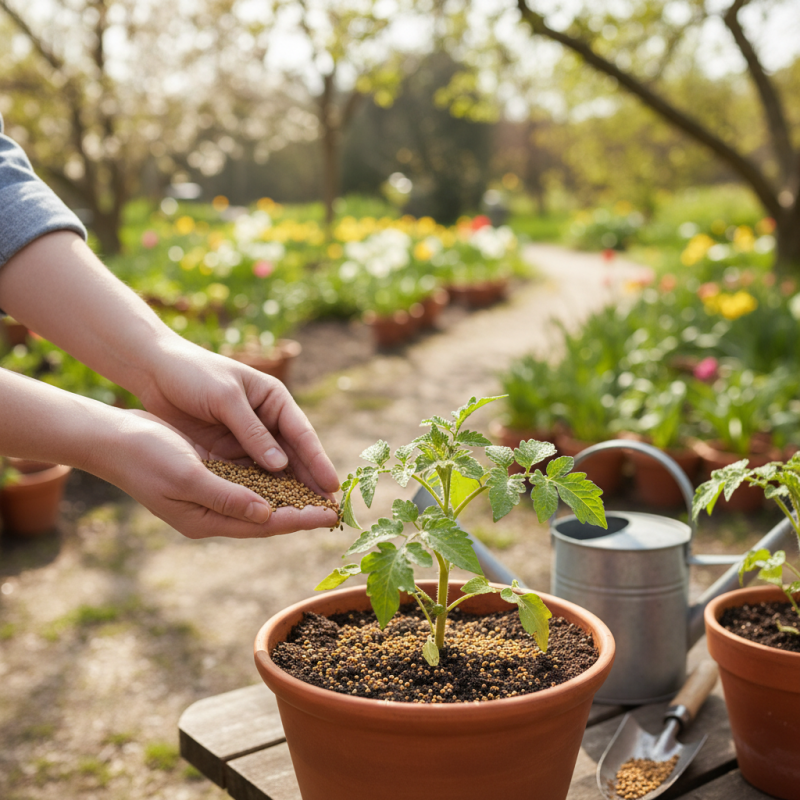
When is the Best Time to Fertilize Your Plants?

Understanding Plant Growth Cycles and Nutrient Needs

Understanding plant growth cycles is crucial for effective fertilization. Each plant species has its unique timeline for growth phases. Typically, plants move through stages: germination, vegetative growth, flowering, and dormancy. During these phases, their nutrient requirements shift significantly.

For instance, during the vegetative phase, plants need nitrogen for foliage development. On the other hand, when they begin to flower, phosphorus becomes vital for fruit and bloom health. Observing your plants is key; they may show signs of nutrient deficiencies. Yellowing leaves often indicate insufficient nitrogen. Soft or weak stems can suggest a lack of essential minerals.

Timing of fertilization also matters. Late spring and early summer are often ideal for many plants. However, it’s important to adjust based on local conditions. Weather, soil quality, and specific plant needs can vary greatly. Some gardeners over-fertilize, thinking it will ensure a better yield. Yet, this can damage plants or lead to nutrient burn. Being mindful of your plants’ responses and adjusting accordingly is essential for achieving a thriving garden.

When is the Best Time to Fertilize Your Plants?

This chart illustrates the optimal months for fertilizing common garden plants based on their growth cycles and nutrient needs throughout the year.

Timing Considerations: Seasonal Influences on Fertilization

Timing is crucial when it comes to fertilizing plants. Seasonal influences greatly affect how and when plants absorb nutrients. In spring, plants awaken from dormancy. Increased sunlight and warmer temperatures stimulate growth. This is the ideal time to fertilize, as plants require extra nutrients to support new leaves and flowers.

However, not all plants have the same needs. Some may thrive on seasonal feedings, while others might require less frequent fertilization. Too much fertilizer can harm plants. It is essential to observe their growth patterns. During summer, growth may peak, but be cautious. Over-fertilizing can lead to leaf burn, stunted growth, or even plant death.

As fall approaches, plants prepare for winter. This is a time to reduce fertilization. Some gardeners may wonder whether to fertilize at all during this season. It depends on the type of plant. Always consider local climate and soil conditions. Each garden tells its own story, demanding a unique approach to care. Reflection on these factors is vital for a successful gardening journey.

Types of Fertilizers and Their Appropriate Application Times

When it comes to fertilizing plants, timing is key. Different types of fertilizers have specific application windows that maximize their effectiveness. For instance, granular fertilizers, often used for gardens in early spring, provide nutrients that help with initial growth. According to the USDA, applying a slow-release fertilizer at this time supports root development.

Liquid fertilizers are another popular choice. They are typically applied during the active growth period, which can vary by plant type. Research indicates that applying these fertilizers every 4-6 weeks can significantly enhance productivity. A recent study showed a 30% increase in yield when liquid fertilizers were used during peak growth months.

Soil testing is crucial in determining nutrient needs. Without it, gardeners risk either under-fertilizing or over-fertilizing. Over-fertilization can lead to nutrient runoff, harming the environment. As a best practice, many professionals recommend testing soil pH and nutrient levels every couple of years to ensure appropriate fertilization practices. This proactive approach balances plant health with ecological responsibility.

Signs Your Plants Need Fertilizer: When to Act

Plants show clear signs when they need fertilization. Yellowing leaves can indicate nutrient deficiency. If new growth is stunted or soft, this often means the plant lacks essential nutrients. Research by the American Society for Horticultural Science highlights that nutrient deficiencies can reduce plant vitality by up to 30%.

Another sign to watch for is poor flowering or fruiting. If your plants fail to produce blooms or fruits, they may be nutrient-starved. Conversely, over-fertilization can lead to salt buildup, which harms plant roots. A study published in the Journal of Plant Nutrition states that excessive fertilizer can reduce crop yields by 10-20%.

Monitoring your plants regularly is crucial. Observing these signs allows for timely action. Consider soil tests to establish nutrient levels in your garden. This proactive approach helps avoid common mistakes like under-fertilizing or over-fertilizing. Understanding your plants’ needs is the key to thriving greenery.

Best Practices for Fertilizing Different Plant Varieties

When it comes to fertilizing plants, different varieties have unique needs. For leafy greens like spinach and lettuce, a nitrogen-rich fertilizer works wonders. Apply it in the early growth stages to encourage vibrant, healthy leaves. Be careful not to over-fertilize, as too much can lead to leafy growth at the expense of flavor.

For flowering plants, phosphorus is crucial. Use a fertilizer higher in phosphorus when the buds begin to form. This promotes robust blooms. Regular monitoring is key; if blooms are sparse, it might signal a need for more nourishment. In contrast, cacti and succulents prefer a diluted fertilizer during their growing season. These plants can suffer from over-fertilization, which may lead to root burn. Always err on the side of caution and adjust based on your plant's response.

Every garden is unique, and what works for one may fail for another. It’s essential to observe your plants closely. Changes in color, growth, or even leaf drop can indicate nutritional issues. Keeping a journal of what fertilizers you use can help you fine-tune your approach for future seasons. Fertilizing requires knowledge, patience, and a willingness to learn from each experience.

FAQS

: What are the growth phases of plants?

: Plants typically go through germination, vegetative growth, flowering, and dormancy. Each phase has unique nutrient needs.

Why is nitrogen important during the vegetative phase?

Nitrogen supports foliage development. Plants require it for healthy leaf growth at this stage.

What nutrient is crucial when plants start to flower?

Phosphorus becomes vital for fruit and bloom health when flowering begins.

How can I identify nutrient deficiencies in my plants?

Yellowing leaves may signal nitrogen deficiency, while soft stems can indicate a lack of essential minerals.

When is the best time to fertilize most plants?

Late spring and early summer are often ideal, but adjust based on local conditions.

What happens if I over-fertilize my plants?

Over-fertilizing can damage plants or cause nutrient burn. It's crucial to observe plant reactions.

Are there different types of fertilizers?

Yes, granular fertilizers are often used in early spring, while liquid fertilizers apply during active growth periods.

How often should liquid fertilizers be applied?

Applying liquid fertilizers every 4-6 weeks can enhance plant productivity significantly.

Why is soil testing important?

Soil testing helps determine nutrient needs. Without it, the risk of under or over-fertilizing increases.

How can over-fertilization affect the environment?

It can lead to nutrient runoff, harming local ecosystems. Balancing plant health with ecological responsibility is key.

Conclusion

Understanding the optimal timing for fertilizing your plants is essential for promoting healthy growth. The best time to fertilize plants depends on their growth cycles and nutrient needs, which can vary significantly among different species. Seasonal influences play a crucial role, with many plants requiring fertilizer during their active growth phases in spring and early summer.

Additionally, knowing the types of fertilizers available and their appropriate application times can ensure that your plants receive the right nutrients when they need them most. Signs that your plants may require fertilization include yellowing leaves, stunted growth, or reduced flowering. By following best practices for fertilizing various plant varieties, you can enhance their health and productivity, ultimately leading to a thriving garden.

Liam

Liam

Liam is a dedicated marketing professional with a profound expertise in the industry, where he excels at highlighting the unique advantages of our core products. With a keen understanding of market trends and consumer needs, Liam frequently updates our company’s professional blog, providing......