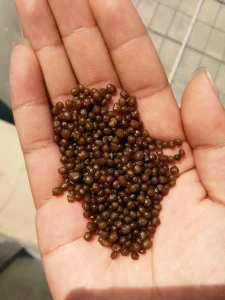
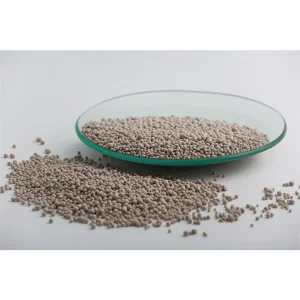
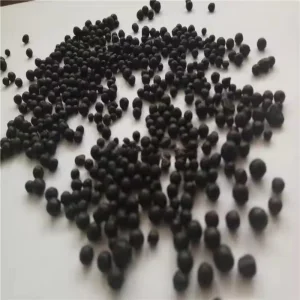
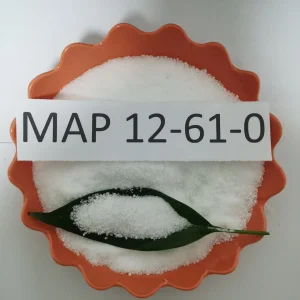
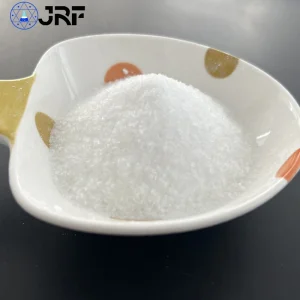
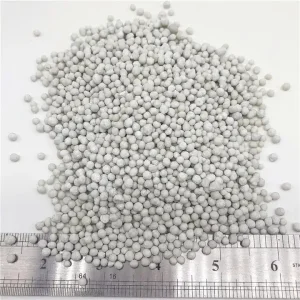
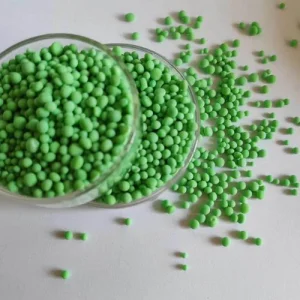
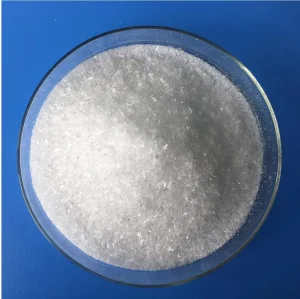
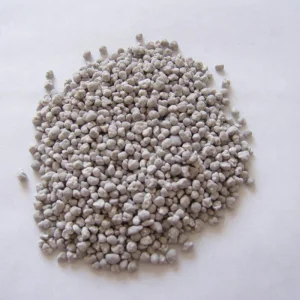
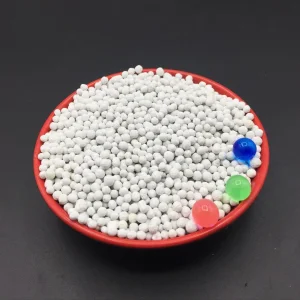
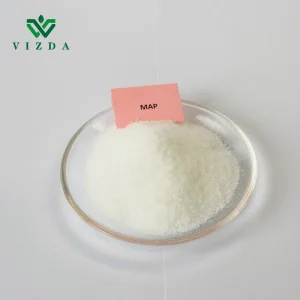
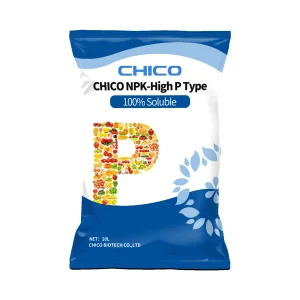
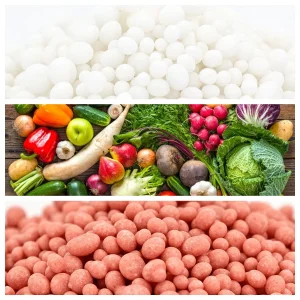
Engineered to mitigate phosphorus fixation in high-iron latosols, these initial formulations boost early root architecture and crop establishment.
The Central African Republic (CAR) possesses immense agricultural potential, with over 15 million hectares of arable land. However, the cultivation of core cash crops like cotton and coffee, alongside staple food sources such as cassava, maize, and groundnuts, is heavily constrained by structural nutrient deficiencies. The dominant soil types across the Ubangui basin and northern savannahs are highly weathered ferralsols (oxisols). These soils are inherently acidic and rich in active iron (Fe) and aluminum (Al) oxides. When traditional phosphate fertilizers are applied, they undergo rapid phosphorus fixation, transforming into insoluble compounds that plant roots cannot access.
1. Cotton (The Cash Crop Backbone): Concentrated in regions like Ouham and Kémo, cotton requires early phosphorus to stimulate deep taproot development. Strong root structures enable the plant to draw moisture during transitional dry spells, significantly increasing boll weight and fiber quality.
2. Coffee (Robusta Plantations): Grown primarily in the southern forest zones (e.g., Lobaye and Mambéré-Kadéï), coffee trees demand balanced phosphorus and potassium inputs to sustain wood development, blossom uniformity, and high cherry yields.
3. Staples (Cassava & Maize): Cassava is a heavy extractor of soil potassium and phosphorus. Sustainable cultivation without rapid soil degradation requires structured NPK replenishment to maintain yields above 10 metric tons per hectare.
Why regional distributors and agricultural cooperatives partner with us for complex phosphate inputs.
Our granules undergo specialized double-coating processes. This ensures they resist high relative humidity during oceanic shipping and tropical storage in Bangui.
Modified release dynamics keep orthophosphate ions active in the root zone longer, reducing fixation by iron and aluminum oxides in acidic soils.
All batches undergo strict pre-shipment inspections (SGS/BV) matching the specifications required by CAR's Ministry of Agriculture and CEMAC guidelines.
Industrial-grade water-soluble and granular formulations optimized for diverse soil types, application methods, and crop cycles.
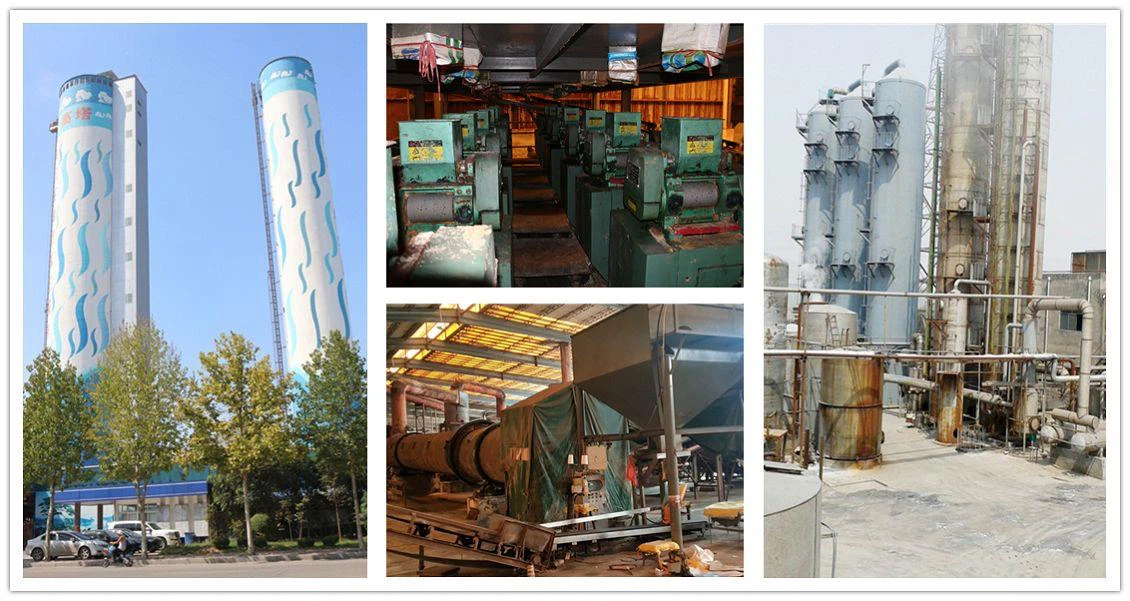
We specialize in the manufacturing, development, marketing, and after-sales service of high-performance fertilizers. Our state-of-the-art factory covers an expansive area of 300,000 square meters, with an annual production capacity of 300,000 metric tons (MT).
Having established our first NPK production line in 2008, we possess over 18 years of specialized expertise in fertilizer manufacturing. Today, our company stands as a modern, globally competitive enterprise with independent research and design capabilities.
Our Advanced Production Facilities Include:
Operating as a landlocked nation makes logistics a critical element of fertilizer procurement in the Central African Republic. At Linyi TH Environmental Technology, we have developed robust shipping corridors to secure delivery timelines and minimize inland freight costs.
Typically, shipments depart from major Chinese ports (e.g., Qingdao) to the **Port of Douala (Cameroon)**, which serves as the primary transit gateway for Central Africa. From Douala, cargo is transported via road corridors through the **RN1 trans-national highway** directly to Bangui. Due to the long overland route (approximately 1,450 km), packing security is paramount. We pack our fertilizers in high-grade, double-layered PP/PE bags with built-in moisture barriers to withstand the intense tropical weather and transshipment handling.
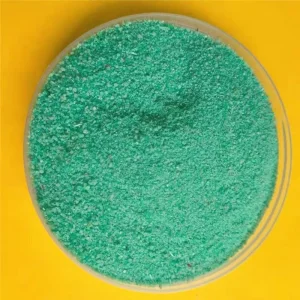
Specifically matched for structural magnesium and sulfur replenishment in degraded tropical cropping systems.
Expert answers addressing the logistical, chemical, and agronomic realities of importing to Central Africa.
Ready to request a quotation or technical data sheets?
Connect With Our Technical Team TH Fertilizer