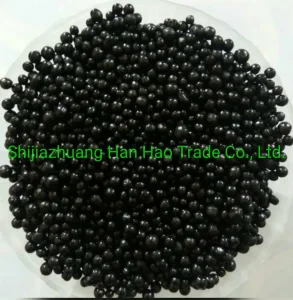
Directly engineered for the unique humic restoration needs of the Pannonian Basin & Danube River Basin agricultural corridors.
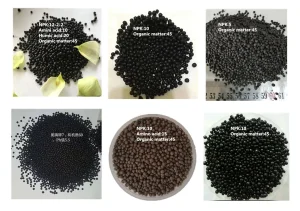
A Macro-Economic and Agronomic Analysis of Soil Degradation in the Belgrade District & Surrounding Agricultural Belts
The broader District of Belgrade—spanning regions such as Zemun, Surčin, Grocka, Obrenovac, and Mladenovac—serves as Serbia's strategic agricultural node connecting the southern edge of the fertile Pannonian Plain with the Šumadija hills. Modern intensive cultivation, historical reliance on synthetic single-element chemical fertilizers, and reduced livestock manure cycling have led to severe humic depletion across local Chernozem (black earth) and Fluvisol soil zones. Organic matter levels in arable land around Belgrade have fallen from historical baselines of 4.5% to critical levels below 2.2%.
This deficit decreases cation exchange capacity (CEC), damages soil aggregate stability, and accelerates compaction under modern heavy machinery. To reverse this structural deterioration, agricultural enterprise networks in Belgrade require a comprehensive bio-organic strategy: high-carbon, microbe-enriched farmyard manure granules combined with precise, mechanized field distribution systems.
Raw animal waste can lock up free nitrogen or burn crop roots through erratic ammonia volatilization. Our industrial high-temperature aerobic fermentation stabilizes the C:N ratio at 15:1 to 18:1, ensuring immediate bio-availability for cereal crops, orchards, and open-field vegetables without nutrient immobilization.
By blending enzymatic bacterial inoculants with chelated trace minerals and free amino acids, our bio-organic pellets activate rhizosphere microflora in cold early-spring Serbian soils. This promotes root architecture expansion by up to 34% compared to untreated controls.
Processing at thermal thresholds exceeding 70°C for over 72 hours eliminates weed seeds, Salmonella, E. coli, and parasitic ova. This delivers a clean, odorless pellet fully compliant with European Union and Serbian biological safety directives.
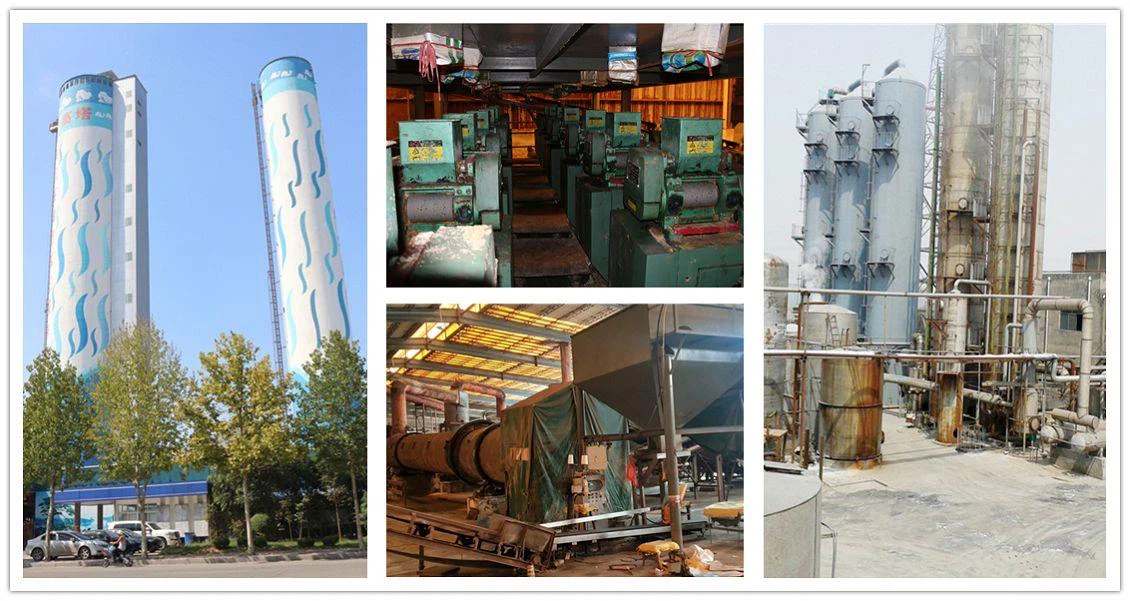
Linyi TH Environmental Technology Co., Ltd. is an established leader in the manufacturing, research, international supply, and agronomic application of premium organic and compound fertilizers. Spread across an expansive 300,000 square meter industrial complex, our facilities deliver an annual production output exceeding 300,000 Metric Tons.
Since constructing our foundational NPK production line in 2008, we have accumulated over 18 years of specialized experience. Our fully integrated facility houses 6 continuous industrial lines:
Evaluating Raw Farmyard Manure vs. Industrial Bio-Granules vs. Pure Chemical NPK
| Agronomic Criterion | Raw/Unprocessed Farmyard Manure | Conventional Synthetic NPK | TH Bio-Organic Granular (NPK + Amino) |
|---|---|---|---|
| Humus & Soil Structure Building | High volume required, slow conversion | Zero structural enhancement; risks acidification | Optimal; rapid humification & high CEC load |
| Nutrient Release Dynamics | Unpredictable; weather dependent | Fast initial release; high leaching losses | Controlled Bio-Release over 90–120 days |
| Pathogen & Weed Seed Safety | High risk of weed contamination & pathogens | Sterile / N/A | 100% Thermal Decontamination guaranteed |
| Mechanical Spreading Compatibility | Poor; prone to clogging & high field transport cost | Excellent | Superior Uniform Granules (2–4mm diameter) |
| Microbial & Enzymatic Reactivation | Variable bacterial loading | Inhibits mycorrhizal fungal networks | Formulated with Beneficial Microorganisms |
| Transport & Storage Efficiency | Bulk liquid/slurry; high weight per unit unit NPK | Compact bags | High-Density 25kg / 1000kg Big Bags |
Formulated to support the specific soil characteristics and cropping systems of central and northern Serbia.
Crops: Apples, Sweet Cherries, Peaches, and Plums.
Soil Challenge: Heavy clay-loam hillsides susceptible to summer drought stress and poor root respiration.
Solution: Deep soil integration of Organic Granular NPK with Amino Acid in early autumn enhances frost resilience, optimizes flower bud differentiation, and improves soil moisture retention through summer months.
Crops: Seed Corn (Maize), Winter Wheat, Sunflower, and Sugar Beet.
Soil Challenge: Intense monoculture causing trace mineral depletion and plow pan compaction.
Solution: Broadcast application of Chinese Organic NPK Shiny Balls via tractor-trailed manure spreaders prior to winter plowing builds root zone porosity and delivers balanced macro/micro elements.
Crops: Tomatoes, Peppers, Cucumbers, and Leafy Greens.
Soil Challenge: Soil salinization and buildup of soil-borne pathogens from continuous cultivation.
Solution: Drenching with Effective Microorganism Compound Bacteria Enzymes and top-dressing with probiotic organic granules restores microbial balance and suppresses fusarium root rots naturally.
Leveraging direct bilateral trade frameworks and robust logistics to guarantee cost-effective, uninterrupted deliveries.
Shipments depart directly from major deep-water ports (Qingdao / Lianyungang) to Mediterranean/Adriatic container hubs, such as the Port of Bar (Montenegro), Port of Rijeka (Croatia), or Port of Piraeus (Greece). From these terminals, bonded rail freight connects straight to container yards in Belgrade (Dunav Station or Batajnica Terminal), streamlining customs clearance under the China-Serbia Free Trade Agreement frameworks.
We offer custom solutions for commercial agricultural distributors and major farm operations across Serbia:
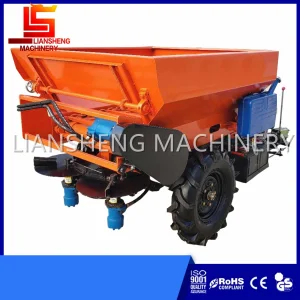
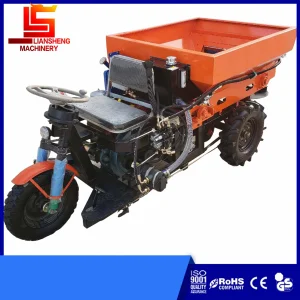
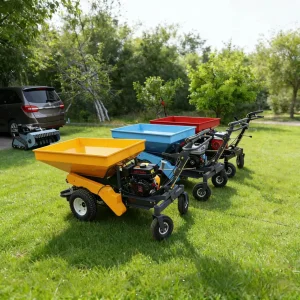
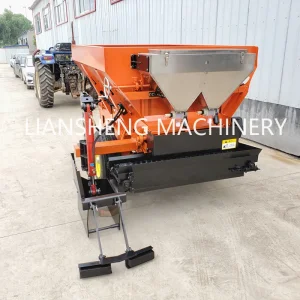
Combining bio-organic inputs with advanced mechanized spreading equipment for uniform field delivery and maximum operational efficiency.
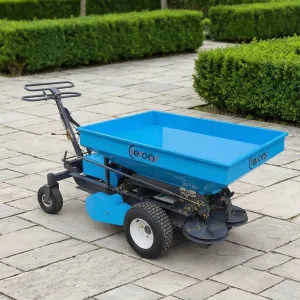
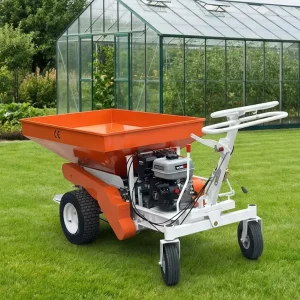

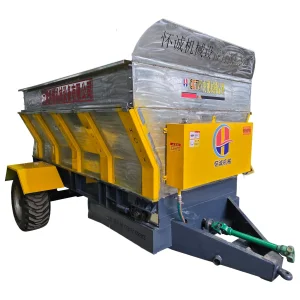
Technical and procurement insights for commercial buyers, agricultural co-ops, and distributors in Belgrade and Serbia.
Elevate crop yields, restore soil humic balances, and optimize fertilizer spreading in Belgrade. Contact our agronomic export team today for factory-direct price lists, technical specification datasheets, and sample kits.
 TH Fertilizer