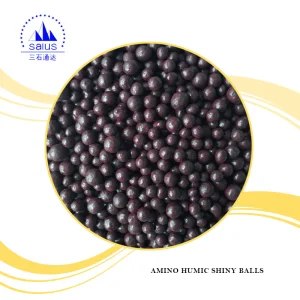
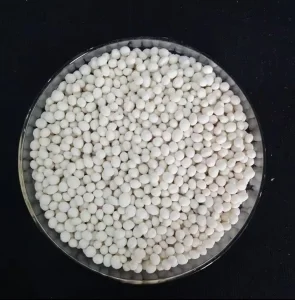
Discover our highly targeted fertilizers, bio-stimulants, and soil conditioners optimized to establish high-viability custom organic seed systems worldwide.
The shift from traditional chemical-intensive farming to ecological agriculture has placed custom organic seeds at the center of the global agribusiness pipeline. True organic compliance starts at the genetic level, meaning seeds must be bred, harvested, and processed without exposure to synthetic fertilizers, toxic pesticides, or genetically modified organisms (GMOs). As reliable organic seed suppliers and exporters, we recognize that seed efficacy cannot be separated from the soil dynamics in which they are sown. The synergy between high-purity organic genetics and custom-formulated bio-organic nutrition represents the ultimate frontier in commercial crop productivity.
For enterprise growers, seed survival is the single most critical factor in mitigating crop establishment risk. To bridge this requirement, global buyers look for custom seed treatments—such as organic-compliant pelleting, nutrient priming, and microbial coatings—that shield the embryo while supporting early root system growth. By coupling our extensive manufacturing experience in water-soluble fertilizers, humic acids, and root promoters with clean seed systems, we deliver integrated agricultural inputs that dramatically improve crop outcomes.
Years of R&D Experience
SQM Factory Footprint
Metric Tons Annual Capacity
Exporting Countries
Driven by strict regulatory shifts in the European Union (such as the Green Deal target of 25% organic farmland by 2030) and the USDA National Organic Program (NOP) regulations, commercial farms can no longer rely on conventional seeds in organic production systems. Key trends reshaping the landscape include:
Applying beneficial trichoderma, mycorrhizae, and botanical extracts directly onto organic seeds to suppress soil-borne pathogens naturally.
Selecting parental lines specifically designed to withstand drought, salinity, and temperature spikes under low-input farming models.
B2B agricultural buyers demand DNA-verified, non-GMO certificates and complete batch tracking from parental fields to export ports.
Large-scale commercial growers and international distributors operate on tight margins where seed germination failure can lead to catastrophic losses. When sourcing custom organic seeds, institutional buyers focus on four critical benchmarks:
| Procurement Benchmark | Technical Specification Target | Risk Mitigation Method |
|---|---|---|
| Germination Energy & Rate | > 92% active germination within 72 hours | Presowing nutrient priming with highly pure organic amino acids. | Physical & Genetic Purity | > 99.8% free of weed seed contamination and GMO drift | Multi-stage optical sorting and isolated breeding farms. |
| Pathogen-Free Guarantee | Zero tolerance for Clavibacter, Xanthomonas, or Fusarium | Phytosanitary thermal treatment and organic vinegar seed washes. |
| Custom Pelleting & Sizing | Uniform spherical shape for automated vacuum planters | Starch-based organic binder coatings infused with fulvic and humic acids. |
Seeds are genetic blueprints, but soil is the matrix that unlocks their potential. Without proper nutrition, even the finest custom organic seed cannot sustain its genetic vigor. Linyi TH Environmental Technology Co., Ltd. specializes in this critical biological intersection. By coordinating our state-of-the-art fertilizer systems with specialized seed technologies, we provide a holistic, macro-level agronomic solution.
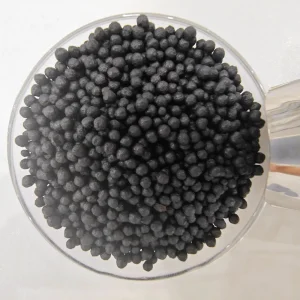
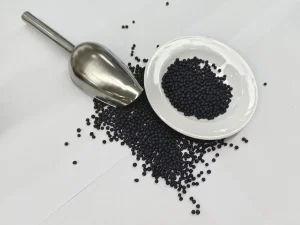
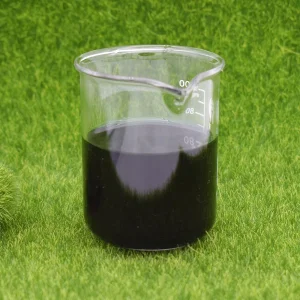
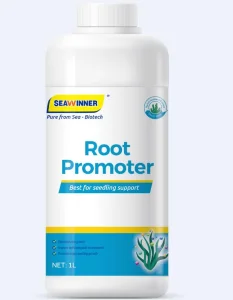
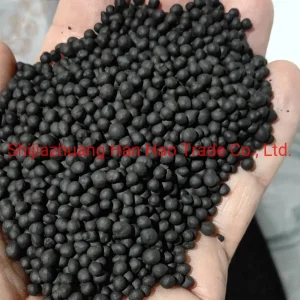
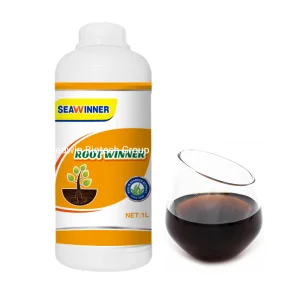
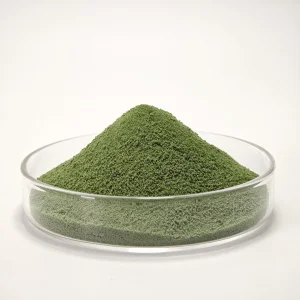
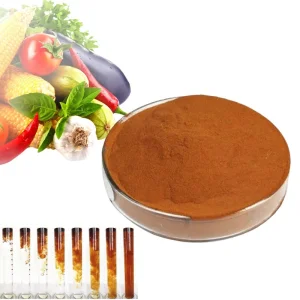
For instance, applying a soil conditioner like Fulvic Humic Acid Organic Fertilizer during field preparation creates a porous soil matrix, which optimizes water retention and improves root penetration for freshly sprouted seeds. Additionally, utilizing our Seaweed Root Promoter Organic Fertilizer dramatically stimulates seedling development, ensuring that plants establish early vigor before pest or environmental stresses arise.
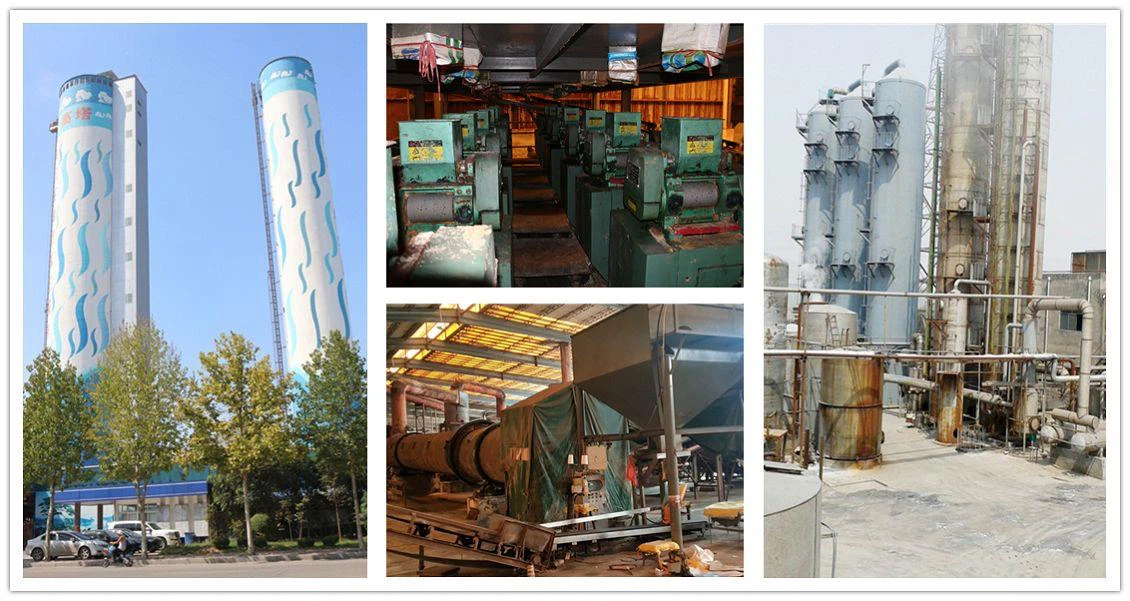
Linyi TH Environmental Technology Co., Ltd. specializes in the manufacturing, development, marketing, and after-sales service of fertilizers. Our state-of-the-art industrial complex covers a massive area of 300,000 square meters, boasting an annual production capacity of 300,000 metric tons.
With 18 years of specialized experience in fertilizer production since we established our first NPK production line in 2008, we have evolved into a modern enterprise featuring independent R&D and design capabilities alongside outstanding global market competitiveness. Our diversified manufacturing lines include:
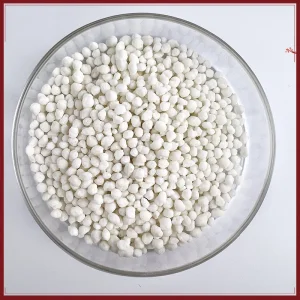
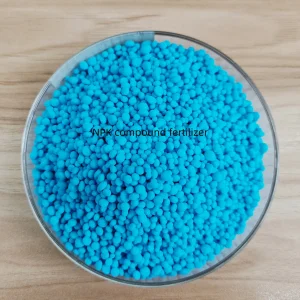
Our diverse crop nutrition portfolio encompasses NPK Compound Fertilizers, Water-Soluble NPK Fertilizers, Nitrogen fertilizers (ammonium sulphate, ammonium chloride, calcium ammonium nitrate, ammonium bicarbonate, urea, etc.), Potassium Sulphate, Potassium Nitrate, and crucial microelement Sulphate fertilizers (ferrous sulphate, zinc sulphate, magnesium sulphate).
This extensive production capability ensures we can manufacture highly customized blends suited for organic seed propagation farms, commercial seed production fields, and large-scale grain cultivation. Our products are widely exported to Japan, Korea, Vietnam, Malaysia, Myanmar, Cambodia, Peru, Brazil, UAE, Egypt, Iran, Kenya, and Tanzania, winning praise and establishing an authoritative reputation worldwide.
As agriculture adapts to changing climates, organic seed technology must evolve. Our development roadmap centers on three main technological pillars:
Utilizing hyperspectral imaging and deep learning algorithms to analyze seed internal structures, discarding seeds with low vigor or micro-cracks prior to packaging.
Coating seeds with native bacteria and mycorrhizal strains to form a protective microbiome, improving nutrient uptake in nutrient-deprived organic soils.
Developing plant-derived, starch-and-cellulose polymers that break down safely in the soil, leaving zero synthetic residues or microplastics.
Exporting organic seeds and soil-enhancing inputs is a complex regulatory challenge. As experienced global exporters, we manage import protocols, custom tariffs, and phytosanitary certificates for our trade partners. Whether complying with European Food Safety Authority (EFSA) regulations or USDA import mandates, our regulatory team handles the paperwork.
To preserve seed viability and product efficacy during long-distance shipping, we utilize humidity-controlled, airtight B2B packaging and temperature-monitored shipping. This guarantees that our organic fertilizers, bio-stimulants, and matching seed inputs arrive at your farm or distribution hub with their chemical and biological integrity intact.
Maximize crop vigor and establish resilient root systems with our professional-grade water-soluble compounds, microelements, and organic fertilizers.
 TH Fertilizer