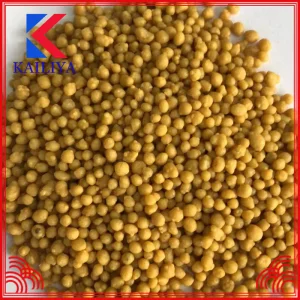
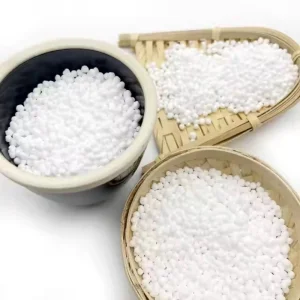
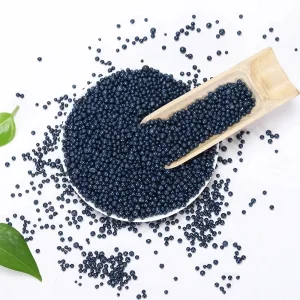
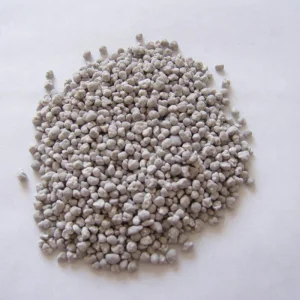
Explore our high-performance product range engineered for global export and field efficiency.
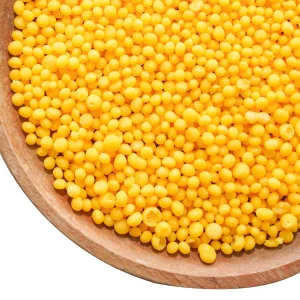
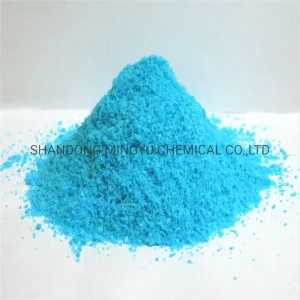
How strict regulatory standards and ecological demands are transforming manufacturing & agriculture
The global shift towards ecological materials is no longer merely a corporate social responsibility initiative; it has evolved into a regulatory mandate. With strict rules such as the European Union’s Packaging and Packaging Waste Directive, the US ASTM D6400 guidelines, and similar policies across the Asia-Pacific region, the demand for high-performance custom biodegradable plastics has skyrocketed. Manufacturers must produce materials that maintain physical performance while meeting strict compostability certifications.
Agricultural films represent a major growth sector for biodegradable polymers. Traditional polyethylene (PE) mulch films leave microplastics that degrade soil quality and hinder crop yield over time. By utilizing customized biopolymers like PBAT (polybutylene adipate terephthalate) combined with PLA (polylactic acid) and thermoplastic starch, manufacturers can engineer mulch films that offer comparable tensile strength and UV resistance. These films degrade completely into carbon dioxide, water, and biomass post-harvest, leaving no toxic residue behind.
Ensuring all customized bioplastics conform to EN 13432, ASTM D6400, and ISO 17088 standards for complete biodegradation.
Customizing mechanical properties, degradation rates, and UV resistance according to specific local crop cycles.
Combining large-volume compounding capabilities with fast turnarounds to meet global B2B procurement demands.
An integrated power house of agricultural nutrients and ecological bioplastics.
Linyi TH Environmental Technology Co., Ltd. specializes in the manufacturing, development, marketing and after sales service of fertilizer. Utilizing this rich heritage of chemical engineering and soil management, we have expanded our capacity to address global ecological issues. Our massive production base spans an area of 300,000 square meters, supporting an annual fertilizer production capacity of 300,000MT.
Our industrial journey began when our factory built its first NPK production line in 2008. Armed with 18 years of experience in fertilizer production, our company has evolved over more than a decade of active R&D. Today, we are a modern enterprise boasting independent research capabilities, design expertise, and strong global competitiveness.
By combining agricultural nutrient expertise with advanced biopolymers, we offer a comprehensive ecological solution. We support global farmers with high-yield fertilizers and provide high-quality biodegradable agricultural mulch films to help protect soil integrity.
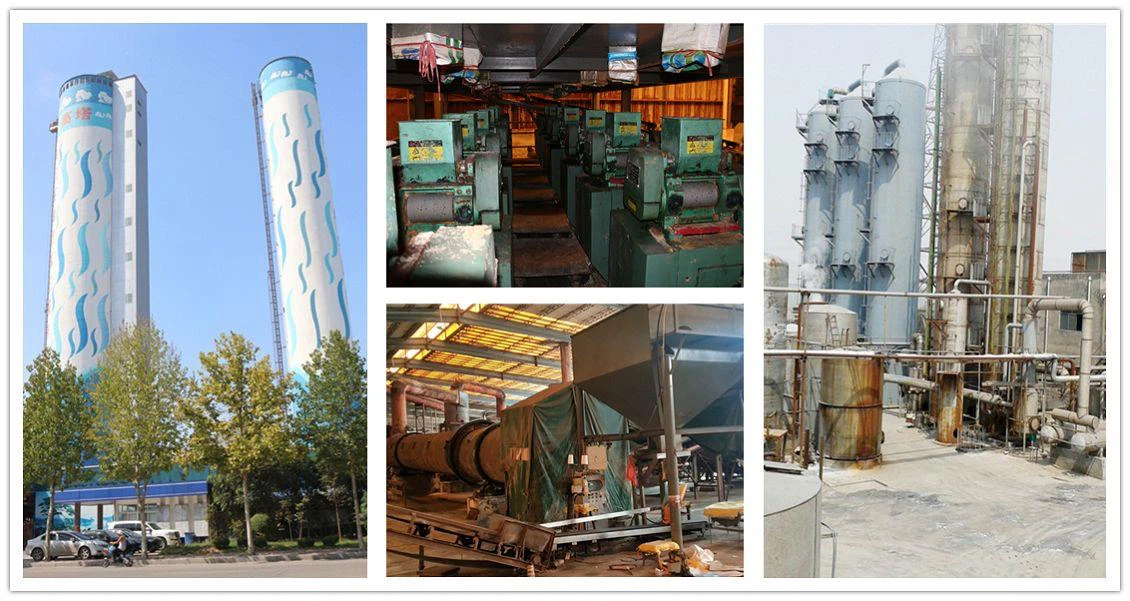
State-of-the-art production lines designed to deliver reliability, quality, and high output volumes
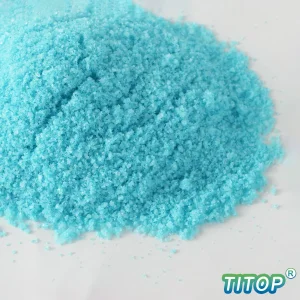
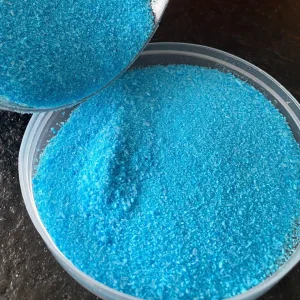
Our production facilities are equipped to handle complex processing demands with high precision. Our factory includes: 2 high tower granular production lines, 1 rotary drum granular production line, 1 extruding granular production line, 1 water soluble NPK fertilizer production line, 1 potassium sulphate production line, and 1 production line for ferrous sulphate, Magnesium Sulphate and Zinc sulphate.
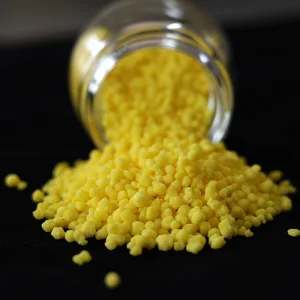
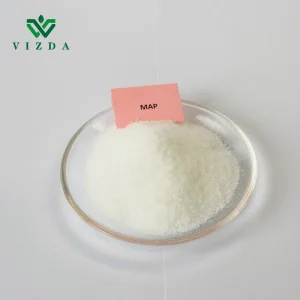
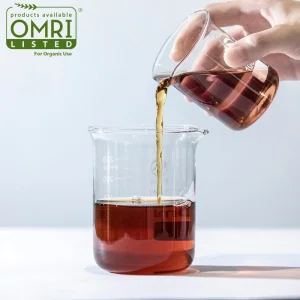
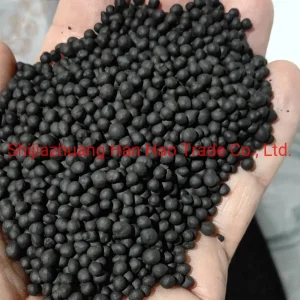
This diverse infrastructure allows us to manufacture complex chemical compounds and specialty materials, including NPK Compound Fertilizers, Water Soluble NPK Fertilizers, Nitrogen fertilizers (ammonium sulphate, ammonium chloride, calcium ammonium nitrate, ammonium bicarbonate, urea, etc.), Potassium Sulphate, Potassium Nitrate, and Sulphate fertilizers (ferrous sulphate, zinc sulphate, magnesium sulphate, etc.). This robust capacity ensures we can meet large-scale global demand efficiently.
Our manufacturing capability translates into high reliability for our international partners. With integrated logistics and automated raw material processing, we mitigate supply chain disruptions. This allows us to offer consistent product quality, stable pricing, and timely deliveries even during fluctuating market conditions.
Automated dosing systems and strict testing criteria at every step guarantee consistent physical and chemical properties.
Our products are exported to Japan, Korea, Vietnam, Malaysia, Myanmar, Cambodia, Peru, Brazil, UAE, Egypt, Iran, Kenya, Tanzania, and beyond.
We combine advanced nutrient manufacturing with biodegradable polymer research to offer integrated soil management solutions.
What B2B procurement managers should look for when selecting a biodegradable plastics exporter
Purchasing biodegradable plastics at scale requires careful evaluation of supplier credentials. Procurement managers should focus on three key criteria: certification compliance, mechanical property matching, and production capacity. Working with a supplier that holds certifications like EN 13432 or ASTM D6400 is essential to ensure products degrade reliably without environmental toxicity.
Customization is also a critical factor. For instance, agricultural films must be customized to match the crop cycle of the target region. Crops like tomatoes may require 120-180 days of film coverage, while quick-rotation leafy greens may only need 45-60 days. An experienced exporter must be able to adjust PBAT/PLA ratios and incorporate targeted additives to meet these specific requirements.
Finally, a supplier's production scale is vital for long-term consistency. At Linyi TH, our 300,000 square meter facility and annual production of 300,000MT provide the security, stability, and scale required by global distributors.
Addressing key B2B procurement inquiries regarding customized bioplastics and agricultural exports
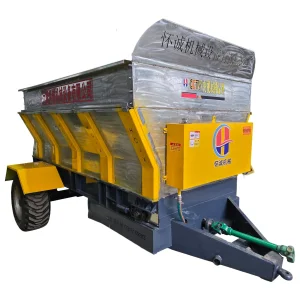
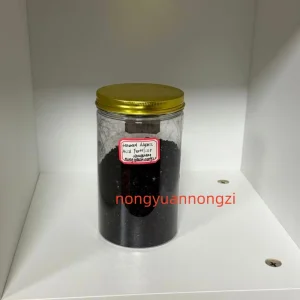
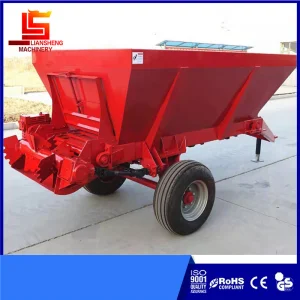
Browse our extensive selection of high-yield fertilizers and farm spreading machinery designed for global export.
 TH Fertilizer