Choosing the best fertilizer for vegetables in 2026 requires more than picking an “organic” label. What fertilizer is safe for vegetables depends on the crop, soil condition, application rate, and harvest timing. A product that supports tomatoes may still damage lettuce, seedlings, or shallow roots when applied too heavily.
Dr. Linda Chalker-Scott, a horticulturist and Washington State University Extension specialist, offers a useful warning: “Fertilizers are not plant food.” Her point is simple but often overlooked. Plants produce food through photosynthesis; fertilizer only supplies selected nutrients. A safe choice should match a soil test and clearly list nitrogen, phosphorus, potassium, and application directions. Compost, aged manure, fish emulsion, and granular fertilizers can all be useful. None is automatically harmless.
Small details matter. A handful scattered beside young cucumber stems can scorch roots. Fresh manure may introduce pathogens and excessive nitrogen. Heavy feeding can also wash nutrients into waterways. Follow the label. Keep fertilizer away from harvested leaves. Wash produce properly.
There is no universal “best” bag. That answer sounds convenient, but it is incomplete. Gardeners should observe leaf color, growth rate, soil moisture, and fruit production before adding more nutrients. A practical 2026 guide should compare fertilizer types, explain safety limits, and show when natural-looking products still require caution. Safe vegetable fertilizing is less about feeding more. It is about feeding precisely, documenting results, and correcting mistakes before they spread.
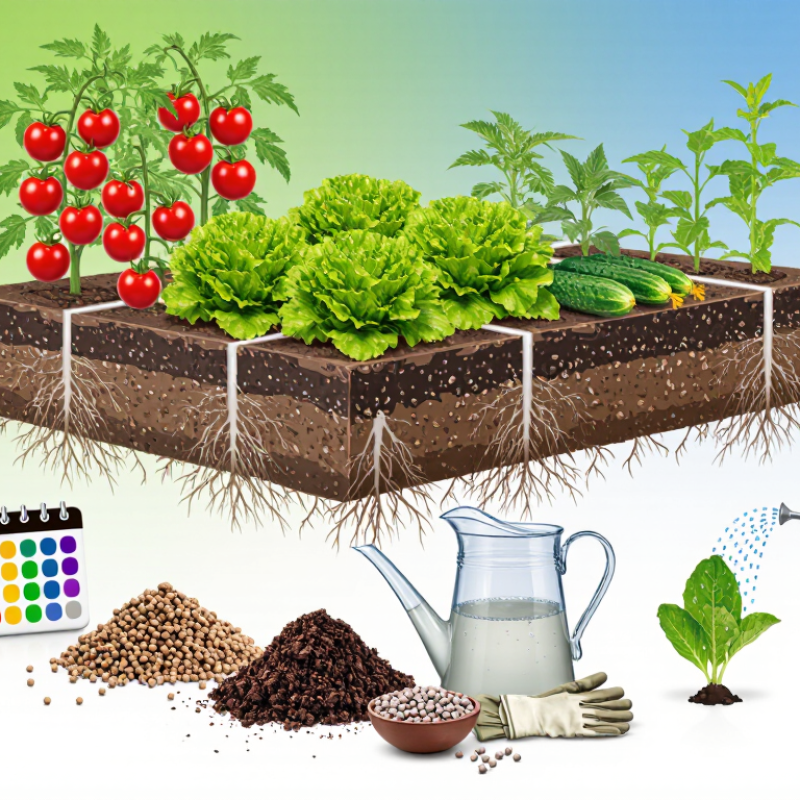
2026 Best Safe Fertilizer for Vegetables What Is It?
What Makes a Fertilizer Safe for Vegetable Gardens in 2026
A safe vegetable fertilizer starts with a soil test, not a colorful bag. USDA NRCS guidance recommends testing soil before adding nutrients, especially nitrogen and phosphorus. A test can reveal whether your garden needs more nutrients or already has enough.
Read the guaranteed analysis carefully. It should clearly list nitrogen, available phosphate, and soluble potash under AAPFCO labeling standards. Choose a product with nutrients suited to your crop and soil results. Excess fertilizer can burn tomato roots, damage seedlings, and wash into waterways. The U.S. Environmental Protection Agency identifies nutrient pollution as a major water-quality concern.
Use less than you think.
For leafy greens, excessive nitrogen may produce rapid growth but weaker tissues. Root vegetables can develop poor shape when soil nutrients are unbalanced. Apply fertilizer beside the plants, not directly against stems. Water lightly afterward, but avoid runoff from the bed.
Safer choices also have clear instructions, batch information, and contaminant disclosures. Organic materials are not automatically harmless. Compost can contain too much salt, phosphorus, or immature material. I still make mistakes when estimating compost volume. A kitchen scale and written garden notes help prevent repeated errors. In 2026, the safest fertilizer is measurable, traceable, and matched to the soil rather than the marketing claim.
Healthy vegetables need more than a fertilizer with a high nitrogen number. Nitrogen builds green leaves, phosphorus supports roots and flowers, and potassium improves water movement and stress tolerance. Calcium strengthens cell walls, while magnesium helps leaves capture light. Sulfur also supports protein formation. Small amounts of iron, zinc, boron, manganese, copper, and molybdenum can matter.
A safe vegetable fertilizer should match the soil, crop, and growth stage. Test the soil before adding nutrients, especially in a raised bed with fresh compost. Lettuce may need modest nitrogen, while tomatoes often need steady potassium during flowering and fruit development. Apply granular fertilizer away from stems, water it into the soil, and follow the label rate. More is not better.
Watch the leaves.
Pale older leaves may suggest nitrogen shortage, but yellowing can also come from excess water. Purple tones sometimes indicate limited phosphorus, yet cool soil can cause a similar reaction. I once treated a visible symptom too quickly, and the plants worsened because the real problem was poor drainage. That mistake still matters. Measure soil moisture, inspect roots, and change one factor at a time. Clean compost, balanced nutrients, and careful application reduce burn risk and help vegetables grow safely.
Healthy vegetables need balanced nutrition rather than excessive fertilizer. This chart shows indicative sufficiency ranges for nitrogen, phosphorus, potassium, calcium, magnesium, and sulfur in mature vegetable leaf tissue, expressed as a percentage of dry matter. Actual targets vary by crop, growth stage, soil condition, and testing method. Use a soil or tissue test before applying fertilizer, and avoid over-fertilizing—especially with nitrogen.
Safe Fertilizer for Vegetables: Types and Their Best Uses
Safe vegetable fertilization starts with the soil, not the fertilizer bag. A simple soil test can reveal low nitrogen, phosphorus, potassium, or an unsuitable pH. Compost is a gentle choice for most garden beds. It improves soil texture and releases nutrients slowly. Use mature compost with a dark color and earthy smell. Avoid unfinished compost, which may heat roots or contain weed seeds.
Aged manure works well before planting heavy feeders such as tomatoes, squash, and corn. It must be fully composted. Fresh manure can burn roots and introduce harmful pathogens. For leafy greens, a balanced organic fertilizer can support steady leaf growth. Granular formulas release nutrients gradually, while liquid fertilizers act faster for container vegetables. They are useful when plants show pale leaves or slow growth, but frequent feeding can cause weak, overly soft growth.
Bone meal may help phosphorus-poor soil, while kelp-based products provide small amounts of nutrients and minerals. Neither product fixes every soil problem. I once applied too much compost to a raised bed and saw vigorous leaves but disappointing fruit. That mistake taught me to measure applications instead of trusting appearance. Keep fertilizer away from stems, water deeply after applying it, and follow the package rate. Container plants usually need more frequent feeding because watering removes nutrients. A little is often enough.
| Fertilizer Type | Typical Nutrient Profile | Best Uses for Vegetables | Ideal Application Timing | Main Benefits | Key Safety Considerations | Safety Level When Used Correctly |
|---|---|---|---|---|---|---|
| Finished Compost | Low and variable N-P-K; adds organic matter | Improving soil structure, supporting beneficial soil organisms, and providing gentle background nutrition for most vegetables. | Mix into soil before planting; apply a thin surface layer during the growing season. | Improves water retention and drainage while releasing nutrients gradually. | Use only fully decomposed compost. Avoid material that is hot, foul-smelling, or made from uncertain waste sources. | Very High |
| Aged Herbivore Manure | Generally low to moderate N; varies by animal and storage | Pre-plant soil enrichment for leafy greens, root crops, fruiting vegetables, and garden beds with low organic matter. | Incorporate well before planting. For food safety, use properly composted manure rather than fresh manure. | Adds organic matter and several plant nutrients. | Fresh manure can burn roots, contribute excess nutrients, and introduce pathogens. Do not use fresh manure directly around harvest-ready crops. | High When Composted |
| Worm Castings | Low N-P-K; nutrient content varies | Seedling mixes, transplant holes, container vegetables, and gentle side-dressing for established plants. | At planting or as a light top-dressing during active growth. | Gentle nutrient release and improved soil texture with low risk of salt injury. | Use a clean, mature product. Worm castings are usually a supplement rather than a complete fertilizer for heavy-feeding crops. | Very High |
| Balanced Complete Granular Fertilizer | Often a balanced ratio such as 10-10-10; verify the label | General feeding for mixed vegetable beds when a soil test indicates a need for nitrogen, phosphorus, and potassium. | Apply before planting and follow the label for later applications. | Provides measurable amounts of multiple essential nutrients. | Do not exceed the labeled rate. Excess fertilizer can cause salt buildup, nutrient runoff, and excessive leafy growth. | High at Label Rate |
| Slow-Release Fertilizer | N-P-K varies; nutrients are released gradually | Containers, raised beds, and gardeners who want fewer applications during the season. | Mix into growing media or soil at planting; reapply only as directed. | Reduces the risk of sudden nutrient spikes and can provide steadier feeding. | Release speed depends on moisture and temperature. Avoid combining several slow-release products without calculating total nutrient amounts. | High at Label Rate |
| Fish-Based Fertilizer | Usually nitrogen-rich; exact N-P-K varies | Leafy vegetables and early vegetative growth when additional nitrogen is needed. | Dilute and apply during active growth according to the product label. | Provides readily available nutrients and is useful for correcting mild nitrogen deficiency. | Overuse may cause excessive foliage and water pollution. Store securely because the odor can attract animals. | High When Diluted |
| Alfalfa Meal | Moderate nitrogen; commonly about 2-3% N, but varies | Pre-plant amendment and gentle nitrogen support for leafy crops and soil-building programs. | Blend into soil several weeks before planting or use lightly during growth. | Releases nutrients gradually and contributes organic matter. | Apply sparingly because excessive amounts can cause nutrient imbalance. It may attract animals during decomposition. | High at Moderate Rate |
| Bone Meal | Phosphorus-rich; low nitrogen; exact analysis varies | Only where a soil test shows low phosphorus; useful during root establishment when phosphorus is deficient. | Apply before planting and incorporate into the root zone. | Slowly supplies phosphorus and calcium. | Do not use routinely in soils with adequate phosphorus. Excess phosphorus can pollute waterways and interfere with nutrient balance. | High When Soil-Test Based |
| Wood Ash | Contains potassium and calcium; little or no nitrogen | Correcting acidic soil with a verified need for liming and potassium. | Apply only after a soil test and incorporate lightly before planting. | Can raise soil pH and supply potassium. | Do not use on alkaline soil, around acid-loving crops, or in large amounts. Avoid ash from treated, painted, or contaminated wood. | Conditional |
| Liquid Seaweed Extract | Usually low N-P-K; not a complete fertilizer | Supplemental support for transplants and plants under mild environmental stress. | Use as a soil drench or foliar application only as directed. | May provide trace nutrients and plant compounds, but should not replace a complete fertility program. | Follow dilution instructions. Avoid treating it as a primary source of nitrogen, phosphorus, or potassium. | High When Diluted |
Important: The safest fertilizer is one matched to a soil test, crop needs, and the fertilizer label. Nutrient percentages can vary by formulation, so always check the guaranteed analysis before application.
Choosing the safest fertilizer for vegetables in 2026 starts with the crop, soil, and application rate. A product is not automatically safe because it is natural. I check a soil test before adding nutrients, especially phosphorus and potassium.
For home gardens, mature compost or a balanced, slow-release fertilizer is often a sensible starting point. Read the label carefully. It should list nutrients, application rates, and suitable crops.
Leafy greens, such as lettuce and spinach, need steady nitrogen for broad, green leaves. Too much nitrogen can produce soft growth and delay harvest.
I use compost or a mild fertilizer, then watch leaf color and growth. Fruiting crops, including tomatoes, peppers, cucumbers, and squash, need moderate nitrogen after flowering begins. Excessive fertilizer can create many leaves but few fruits. That mistake is easy to make.
Root vegetables require restraint. Carrots, radishes, and beets may form poor roots in nitrogen-heavy soil. I prefer loose soil with compost and a modest, balanced feed.
Onions and garlic benefit from early nitrogen, but late feeding can reduce storage quality. Keep granules away from stems and water thoroughly.
Never exceed the label rate. I have learned that “more” rarely means “better.” Recheck plants after seven to fourteen days, because weather, soil texture, and watering can change results.
The safest fertilizer is not always the strongest one. Choose a tested organic or mineral fertilizer with clear nutrient percentages and vegetable directions. A soil test should guide the choice, especially for nitrogen, phosphorus, and potassium. Without testing, use a balanced formula at the lowest listed rate. More is not better.
Before planting, mix mature compost into the top few inches of soil. Apply only the amount stated on the package. For granular fertilizer, spread it evenly beside the planting row, then lightly work it into moist soil. Keep granules away from stems and leaves. Water slowly afterward, but stop before runoff begins.
Wear gloves, avoid dusty conditions, and wash produce before eating.
Timing matters. Apply a small amount during bed preparation, then feed heavy crops when growth slows or fruit begins forming. Leafy vegetables often need less fertilizer after harvest starts. Never fertilize drought-stressed, wilted, or waterlogged plants. During hot weather, wait until the soil cools.
I have seen gardeners mistake rapid leaf growth for plant health. It can mean excess nitrogen, weak stems, and poor fruiting.
A safer adjustment is gradual. Record the rate, date, weather, and plant response. If leaves turn unusually dark or edges burn, stop feeding and water carefully. Mistakes happen, even in well-managed gardens.
Start with the crop, soil test, and label directions. Mature compost or a balanced, slow-release fertilizer is often suitable. Stronger is not always safer.
Leafy greens need steady, moderate nitrogen for broad, green leaves. Use compost or mild fertilizer, then monitor color and growth. Too much nitrogen creates soft leaves.
Excess nitrogen may encourage leaves instead of tomatoes, peppers, cucumbers, or squash. Reduce feeding after flowering begins. I have made this mistake before.
Use loose soil, mature compost, and a modest balanced fertilizer. Avoid nitrogen-heavy feeding. Roots may become poorly formed.
Early nitrogen can support growth, but late feeding may reduce storage quality. Keep granules away from stems. Water slowly afterward.
Follow the package rate exactly, using the lowest suitable amount when soil data is unavailable. Spread granules beside the row, not on leaves. Measure carefully.
Do not fertilize wilted, drought-stressed, or waterlogged plants. During hot weather, wait until the soil cools. Timing matters.
Water thoroughly but stop before runoff begins. Recheck plants after seven to fourteen days. Weather can change the result.
Watch for unusually dark leaves, burned edges, weak stems, or poor fruiting. Stop feeding and water carefully. I sometimes expect faster growth, but that judgment can be wrong.
Wear gloves and avoid dusty conditions. Keep fertilizer away from stems and leaves. Wash vegetables before eating them.
Choosing the best safe fertilizer for vegetables in 2026 means focusing on balanced nutrition, soil health, and responsible application. What fertilizer is safe for vegetables depends on the crop, soil condition, and growth stage. A suitable fertilizer should provide essential nutrients such as nitrogen for leafy growth, phosphorus for roots and flowers, and potassium for overall strength, while avoiding excessive salts or unnecessary additives. Organic matter and carefully selected mineral nutrients can both support healthy vegetable production when used correctly.
Different crops may need different nutrient ratios, so gardeners should consider whether they are growing leafy greens, root vegetables, fruiting crops, or herbs. Before applying fertilizer, read the product instructions, test the soil when possible, and calculate the correct dosage. Apply fertilizer at the recommended time, keep it away from direct contact with stems and leaves, and water thoroughly when appropriate. Regular observation helps prevent overfeeding and keeps plants productive throughout the growing season.
TH Fertilizer