Fertilizers are essential for plant growth. They provide vital nutrients that plants need to thrive. However, many gardeners face a common concern: "Why is my fertilizer not working on plants?" This question often leads to frustration and confusion. There are several reasons why fertilizer may fail to deliver results, and understanding these factors is key to achieving a healthy garden.
Improper application techniques can significantly hinder fertilizer effectiveness. For instance, over-fertilization can burn roots, while under-fertilization may result in nutrient deficiencies. Additionally, soil health plays a crucial role. If the soil is not well-aerated or lacks organic matter, plants may struggle to absorb nutrients. Watering practices also matter. Inadequate watering can prevent nutrients from reaching plant roots, while excessive rain can leach them away.
Lastly, plant types and their specific needs should not be overlooked. Different species have varied nutrient requirements. A lack of awareness about these needs can lead to ineffective fertilization. Evaluating these aspects can illuminate why fertilizers may fail to work. Reflecting on these factors encourages gardeners to adjust their approach, leading to healthier plants and thriving gardens.
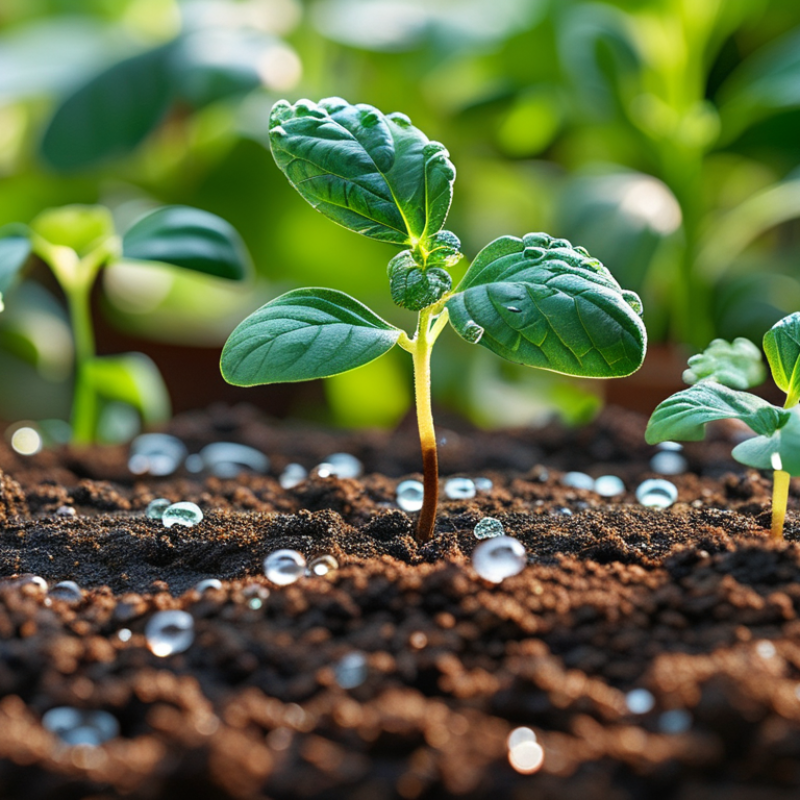
Identifying Common Fertilizer-Related Problems in Plant Growth
Identifying fertilizer-related problems can help you grow healthy plants. One common issue is nutrient deficiency. Signs include yellowing leaves, stunted growth, and poor flowering. These symptoms often occur when plants lack essential nutrients. For instance, nitrogen deficiency may lead to pale leaves, while phosphorus deficiency can hinder root development.
Improper fertilizer application is another challenge. Over-fertilizing can burn roots or lead to nutrient lockout. Plants may show signs of distress like brown leaf tips or wilting. Testing the soil can help you understand its pH and nutrient levels. Adjust your fertilizer approach as needed to ensure plants receive what they need.
Pay attention to water levels too. Both overwatering and underwatering affect nutrient absorption. Plants stressed by inconsistent watering may struggle to utilize fertilizer effectively. Aim for a balanced watering routine to support your plants' overall health. Testing the soil's moisture can guide your watering schedule.
Assessing Nutrient Deficiencies and Their Symptoms in Plants
Nutrient deficiencies in plants can be challenging to diagnose. Symptoms vary widely among species. A plant lacking nitrogen may show yellowing leaves, especially older ones. This can lead to stunted growth and poor yields. Conversely, a phosphorous deficiency often results in dark, purplish foliage. Identifying these symptoms early can help you take action.
Calcium deficiency presents as blossom end rot in tomatoes and peppers. The fruit may rot at the bottom, signaling a need for intervention. Potassium deficiency might cause leaf edges to brown and curl. These visual cues are critical for assessing the plant's health. Over time, nutrient imbalances can complicate recovery.
Regular soil testing is essential for understanding your plants' needs. It helps in identifying nutrient levels and pH balance. While fertilizers may seem like a quick fix, they can sometimes mask underlying problems. Observing leaf color and growth patterns provides valuable feedback. This process requires patience and attention to detail. Sometimes, what seems like a nutrient issue may stem from other factors like water management or pests. Understanding these intricacies can enhance your gardening success.
Evaluating Soil Health and pH Levels Affecting Fertilizer Efficacy
Evaluating soil health is essential for successful gardening. Soil serves as a foundation for plant growth. The pH level significantly influences nutrient availability. A neutral pH of 6.0 to 7.0 often works best. If the soil is too acidic or too alkaline, plants struggle to absorb nutrients. This imbalance leads to poor growth despite fertilization efforts.
Testing soil regularly can provide insights into its health. Home testing kits or professional services help determine pH and nutrient levels. Low nitrogen, phosphorus, or potassium can stifle plant development. Poor drainage can also impede fertilizer efficacy. When faced with persistent issues, rethinking watering and soil composition is necessary.
It’s important to observe how plants react after fertilization. Yellowing leaves, lack of growth, or wilting could signal underlying problems. Sometimes, fertilizers simply sit in the soil and do not reach the roots. Understanding these dynamics can create a more productive growing environment. Each garden has unique needs that require attention.
Best Practices for Applying Fertilizers to Maximize Plant Uptake
Applying fertilizers correctly is essential for optimizing plant health and growth. Research indicates that nearly 60% of garden plants suffer from nutrient deficiencies due to improper fertilizer application. Understanding soil types and plant needs can significantly enhance nutrient uptake. Soil tests can reveal what nutrients are present and what may be lacking, providing a targeted approach to fertilization.
Timing and method also matter. Fertilizers should be applied when plants are actively growing. This ensures they can absorb nutrients effectively. Granular fertilizers release slowly, while liquid fertilizers act quickly. However, over-fertilization can cause root burn, limiting plant uptake. It's crucial to follow recommended dosages to avoid nutrient lockout.
Adding organic matter can improve soil structure. This enhances moisture retention and nutrient availability. Plants thrive in healthy soil. For best results, consider rotating fertilizer types. Trying different formulations may uncover what works best for specific plants. Continuous observation helps in making necessary adjustments. If plants show signs of nutrient stress, reassessment of the fertilization strategy is vital.
Alternative Solutions and Natural Remedies for Fertilizer Issues
Fertilizer issues can be frustrating. Many plant owners face problems when their plants don’t respond well to conventional fertilizers. Exploring alternative solutions can help revitalize your garden.
Natural remedies often provide a different approach. Compost is rich in nutrients and improves soil structure. It retains moisture and enhances microbial activity. Adding organic matter helps plants absorb nutrients more effectively. Another option is to use high-quality worm castings. These are nutrient-dense and promote healthy root development.
Tips: Regularly check your soil pH. Plants struggle in overly acidic or alkaline conditions. Use a simple kit or send a sample to a lab for accurate results. You might want to consider crop rotation. This practice enhances soil fertility and disrupts pest and disease cycles. Lastly, observe your plants closely. Yellowing leaves could indicate nutrient deficiency or over-fertilization. Adjust your care routine accordingly for better growth.
FAQS
: Look for yellowing leaves, especially older ones. Each deficiency shows unique symptoms.
A nitrogen deficiency causes yellowing leaves and may result in stunted growth.
Phosphorus deficiency often leads to dark, purplish foliage on plants.
Calcium deficiency causes blossom end rot in tomatoes and peppers, with fruit rotting at the bottom.
Soil testing reveals nutrient levels and pH balance, helping you understand plant needs.
Yes, incorrect application can lead to nutrient deficiencies and root burn.
Timing matters; apply fertilizers during active growth for better nutrient absorption.
Adding organic matter improves soil structure, moisture retention, and nutrient availability.
Reassess your fertilization strategy and consider adjusting methods or types of fertilizers.
Yes, trying different formulations can help find what works best for your plants.
Conclusion
In the quest to understand "Why is my fertilizer not working on plants," it is essential to identify common fertilizer-related problems that can hinder plant growth. Factors such as nutrient deficiencies often manifest through specific symptoms, making it crucial to recognize these indicators. Moreover, evaluating soil health and pH levels can reveal why fertilizers may not be effective, as these conditions significantly influence nutrient availability.
To maximize plant nutrient uptake, best practices for fertilizer application should be followed, including proper timing and methods. Additionally, exploring alternative solutions and natural remedies can provide effective strategies for addressing fertilizer issues. By understanding the interplay of these factors, gardeners can improve their fertilization efforts and promote healthier plant growth.

 TH Fertilizer