How to Choose the Right Fertilizer for Indoor Plants?

Time:2026-10-10 Author:Ethan
0%

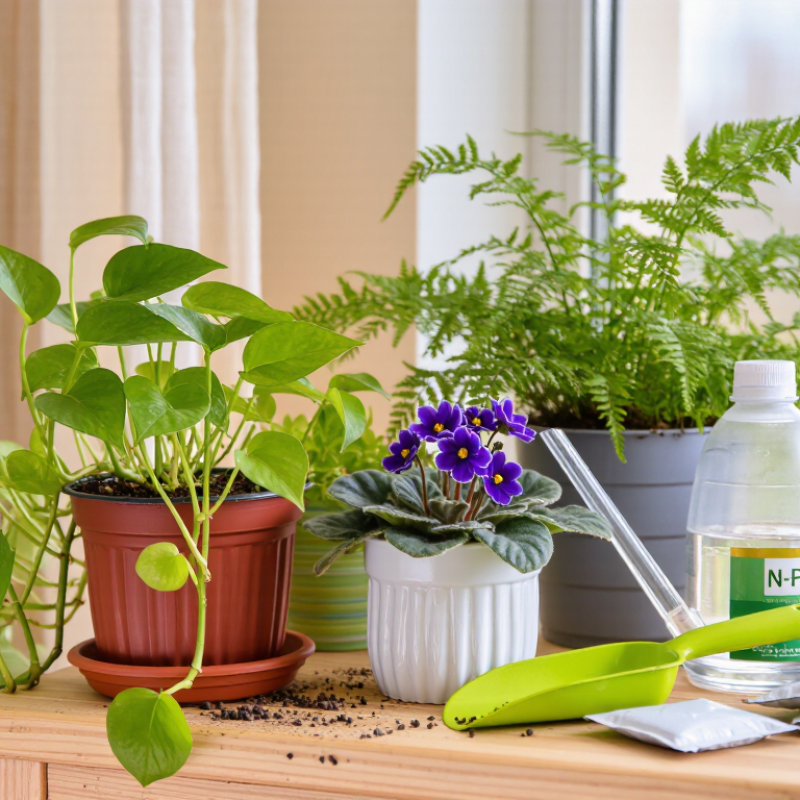
Choosing fertilizer for indoor plants can feel surprisingly confusing. Shelves display balanced formulas, slow-release pellets, liquid feeds, and specialty blends. A peaceful-looking pothos may need a different approach from a flowering African violet.

Why do indoor plants need different fertilizer? Indoor conditions are usually weaker, steadier, and less variable than outdoor conditions. Plants receive filtered light, limited airflow, and restricted root space. Their growth often slows during winter or in dim rooms. Therefore, fertilizer should match the plant’s species, growth stage, potting mix, and available light.

A useful starting point is the fertilizer label’s N-P-K ratio. Nitrogen supports leafy growth, phosphorus supports roots and flowers, and potassium supports overall plant function. However, these numbers do not tell the whole story. A healthy plant in fresh potting soil may need very little feeding. Overfertilizing can leave white crust around the pot rim, damage roots, or produce weak, stretched growth.

Small details matter. A fern in moist, indirect light may prefer gentle, regular feeding. A cactus beside a bright window usually needs less frequent fertilizer. Always water dry soil carefully before applying liquid fertilizer. Never guess blindly.

I have found that observation is more reliable than rigid schedules. Check new leaves, soil moisture, and root health over several weeks. Even experienced growers adjust their routines. A label can guide you, but the plant gives the final evidence. This guide explains how to compare fertilizer types, read nutrient ratios, and build a safer feeding routine for indoor plants.
How to Choose the Right Fertilizer for Indoor Plants?

Assess Indoor Plant Needs: Light, Species, Growth Stage, and Potting Medium

Light comes first. Before choosing fertilizer, observe where the plant stands. A bright window can support stronger feeding than a dim corner. Pale leaves may signal low light, not hunger. I check new growth, leaf color, and the distance from the glass.

Species also changes the decision. Leafy tropical plants often need steady nutrition during active growth. Cacti and succulents usually require less frequent feeding. Flowering plants may need different nutrient proportions when forming buds. However, fertilizer cannot correct cold roots, pests, or poor watering. I have sometimes blamed nutrition too quickly. That mistake costs time.

Growth stage matters. A young plant needs gentle feeding, while a mature plant may tolerate a regular schedule. Reduce applications during winter or slow growth. The potting medium is equally important. Bark-heavy mixes can release nutrients differently from peat-based or mineral mixes. A fast-draining medium may need more frequent, diluted feeding. Dense soil may retain salts and damage roots. Read the roots. If they smell sour or look brown, improve drainage before adding nutrients. I usually begin with half-strength fertilizer on moist soil, then watch the plant for two weeks. Burned leaf edges mean the plan needs reconsideration. Erotiske

How to Choose the Right Fertilizer for Indoor Plants?

Relative nutrient emphasis for common indoor plant groups. Scores reflect typical needs under suitable light, during active growth, and in well-drained potting media; they are guidance rather than application rates.

Nitrogen generally supports leafy growth, phosphorus supports roots and flowering, and potassium supports water regulation and overall plant resilience. Reduce feeding in low light, during dormancy, or when using nutrient-rich potting media.

Decode N-P-K Ratios and Match Nutrients to Foliage, Flowering, or Root Growth

How to Choose the Right Fertilizer for Indoor Plants?

The N-P-K ratio shows nitrogen, phosphorus, and potassium by weight. A 10-10-10 formula supplies 10% of each nutrient. According to the University of Florida IFAS Extension, foliage plants usually need more nitrogen for leaf color and steady growth. A balanced 10-10-10 fertilizer can work during active growth. However, bright leaves do not always mean healthy roots.

Match the ratio to the plant’s main job. For leafy plants, choose a formula with nitrogen slightly higher than phosphorus and potassium. For flowering plants, moderate nitrogen may prevent excessive leaves and limited blooms. Phosphorus supports reproductive growth, but more phosphorus is not automatically better. The Royal Horticultural Society warns that excess nutrients can damage roots and pollute waterways. Check the label before measuring.

Root growth needs restraint. Young or recently repotted plants often benefit from weak feeding, not a strong formula. University extension guidance commonly recommends diluted applications for houseplants, especially in containers with limited soil. I sometimes feed too soon after repotting, and the plant responds with brown leaf edges. That mistake is useful evidence. Water first, use half-strength fertilizer when uncertain, and watch new growth for two weeks. Soil testing remains the most reliable choice when symptoms appear confusing.

Choose Fertilizer Strength: Start at ¼–½ Label Rate to Prevent Root Burn

Choosing the right fertilizer for indoor plants begins with restraint. Houseplants usually grow in lower light than outdoor crops, so they often need less nutrition. A strong solution can damage delicate roots before leaves show any warning.

Start at one-quarter to one-half of the label rate. For example, if the instructions recommend 10 milliliters per liter, use 2.5 to 5 milliliters instead. Mix the fertilizer thoroughly in room-temperature water.

Apply it to already damp soil, not dry, dusty potting mix. This simple step reduces the chance of concentrated nutrients touching thirsty roots.

Watch the plant for two weeks. New growth should look steady, not unusually soft or distorted. Brown leaf tips, a white crust on the soil, or sudden wilting may indicate excess fertilizer.

Flush the pot with clean water if drainage is good, then let the soil drain completely. Never leave the container standing in runoff.

I once followed a full label rate on a slow-growing plant, assuming more food meant faster growth. The leaf edges turned brown, and recovery took weeks. That mistake changed my routine. I now record the date, dilution, and plant response, although I sometimes forget to note watering conditions.

That missing detail matters because fertilizer stress and drought stress can look surprisingly similar. Feed more cautiously during weak winter growth, and adjust only after observing healthy new leaves.

Check Soil pH 5.5–7.0 and Drainage Before Applying Soluble Fertilizers

How to Choose the Right Fertilizer for Indoor Plants?

Before applying a soluble fertilizer, check the soil’s pH and drainage. Most indoor plants tolerate a pH between 5.5 and 7.0. However, some species prefer a narrower range, so inspect reliable horticultural guidance for that plant. Use a calibrated soil meter or a laboratory test when accuracy matters. Cheap meters can mislead you. I learned this after treating pale leaves with fertilizer when the real problem was compacted, alkaline soil.

Drainage matters just as much. Water should move through the pot and escape from its drainage holes within a few seconds. If water remains on the surface, roots may lack oxygen and soluble salts can accumulate. I usually water lightly first, then apply a diluted fertilizer to already moist soil. This reduces the chance of root damage. Never fertilize a severely dry plant.

Read the fertilizer’s nutrient ratio and begin with half the recommended strength. Indoor plants grow slowly, especially in weak winter light. More fertilizer is not more care. Watch for white crust on the soil, brown leaf tips, or sudden wilting. These signs may indicate salt buildup rather than hunger. Flush the pot with clean water, allowing excess water to drain fully. I still sometimes judge feeding by leaf color alone, and that is unreliable. New growth, root condition, light, and watering history provide better evidence. Recheck pH after repeated feeding, particularly when using hard tap water.

Set a Seasonal Feeding Schedule and Monitor EC, Leaf Color, and New Growth

Indoor plants need fertilizer that matches light, temperature, root space, and growth rate. Bright, actively growing plants usually use nutrients faster than shaded plants. Choose a complete, balanced formula, then dilute it according to the plant’s response. More is not always better.

In spring and summer, feed during active growth, often every two to four weeks. Reduce feeding in autumn. Many plants need little or none in winter, unless they continue producing healthy new leaves. Do not force a calendar onto a dormant plant. Measure your source-water EC first, then check the mixed fertilizer solution. Rising runoff EC may signal salt buildup, but target levels vary by species and growing medium. Calibrate the meter regularly, and treat readings as guidance rather than absolute truth.

Leaf color and new growth provide useful evidence. Pale older leaves may suggest nutrient shortage, while brown tips can follow excess salts, dry roots, or inconsistent watering. New leaves should gradually appear at a normal size and color. Keep a simple record of feeding dates, EC, watering, and visible changes. I once blamed pale leaves on fertilizer, but poor light was the real problem. That mistake taught me to change one variable at a time. If growth stalls after feeding, pause, inspect the roots, and review light and moisture before adding more nutrients.

FAQS

Why should I check light before choosing fertilizer?

Light comes first. A bright window usually supports more feeding than a dim corner. Pale leaves may reflect low light, not hunger. Check new growth, leaf color, and distance from the glass.

How does plant type affect fertilizer needs?

Leafy tropical plants often need steady feeding during active growth. Cacti and succulents usually need less frequent applications. Flowering plants may need moderate nitrogen during bud formation. More fertilizer is not always better.

What does the N-P-K ratio mean?

N-P-K shows nitrogen, phosphorus, and potassium by weight. A 10-10-10 formula contains ten percent of each nutrient. Leafy plants often suit slightly higher nitrogen. Choose based on growth goals, not numbers alone.

Should flowering plants receive extra phosphorus?

Not automatically. Moderate nitrogen can limit excessive leaves and support blooming. Phosphorus helps reproductive growth, but excess nutrients may injure roots. Check the label before measuring.

How much fertilizer should I use for indoor plants?

Start with one-quarter to one-half of the label rate. If the label says ten milliliters per liter, use 2.5 to 5 milliliters. Start gently. Dilute it in room-temperature water.

Should I fertilize dry potting soil?

No. Water the plant first, then apply diluted fertilizer to moist soil. Dry mix can expose thirsty roots to concentrated nutrients. Mix thoroughly and avoid leaving the container in runoff.

How can I recognize overfertilization?

Brown leaf tips, sudden wilting, or white crust on the soil may indicate excess salts. If drainage is good, flush the pot with clean water. Let it drain fully. Burned edges require reconsideration.

When should I reduce or delay feeding?

Feed less during winter or slow growth. Young, recently repotted, or stressed plants need restraint. Improve drainage when roots smell sour or look brown. I have sometimes blamed nutrition too quickly. That mistake cost time.

Conclusion

Choosing the right fertilizer for indoor plants begins with understanding their individual needs. Light levels, plant species, growth stage, and potting medium all affect nutrient requirements. Why do indoor plants need different fertilizer? Because a leafy houseplant, a flowering species, and a young plant may use nutrients at different rates and in different proportions. Understanding the N-P-K ratio helps match fertilizer to the plant’s current goal, whether it is foliage development, blooming, or stronger root growth.

Before applying a soluble fertilizer, check that the soil pH is generally between 5.5 and 7.0 and that the pot drains freely. To reduce the risk of root burn, begin with one-quarter to one-half of the label rate and adjust only after observing the plant’s response. Feed more actively during the growing season and reduce applications during slower periods. Monitor electrical conductivity, leaf color, and new growth regularly so you can identify overfeeding or nutrient deficiencies early and maintain healthy, balanced growth.

Ethan

Ethan

Ethan is a seasoned marketing professional with a deep expertise in our company's innovative product line. With a passion for sharing knowledge and insights, he takes the lead in regularly updating our corporate blog, where he explores industry trends, product features, and effective marketing......