Proper fertilizer storage is essential for maintaining its potency and effectiveness. Understanding how to store fertilizer correctly can significantly extend its shelf life. According to a recent report by the Fertilizer Institute, improper storage can lead to nutrient degradation and waste. Fertilizers exposed to moisture can clump or harden, making them unusable.
Furthermore, a study published by the International Plant Nutrition Institute highlights that 30% of fertilizers lose their viability when not stored under appropriate conditions. It’s essential to store fertilizers in a cool, dry place, away from direct sunlight. Ventilation is crucial to prevent moisture accumulation, which could alter the chemical makeup of the fertilizer.
In contrast, overlooking these storage guidelines can lead to financial loss. Many gardeners and farmers fail to recognize the importance of these practices. As reported, 45% of users do not read storage instructions on packaging. This oversight can result in ineffective fertilizer application. By focusing on how to store fertilizer correctly, users can enhance their gardening outcomes and contribute to more sustainable agricultural practices.
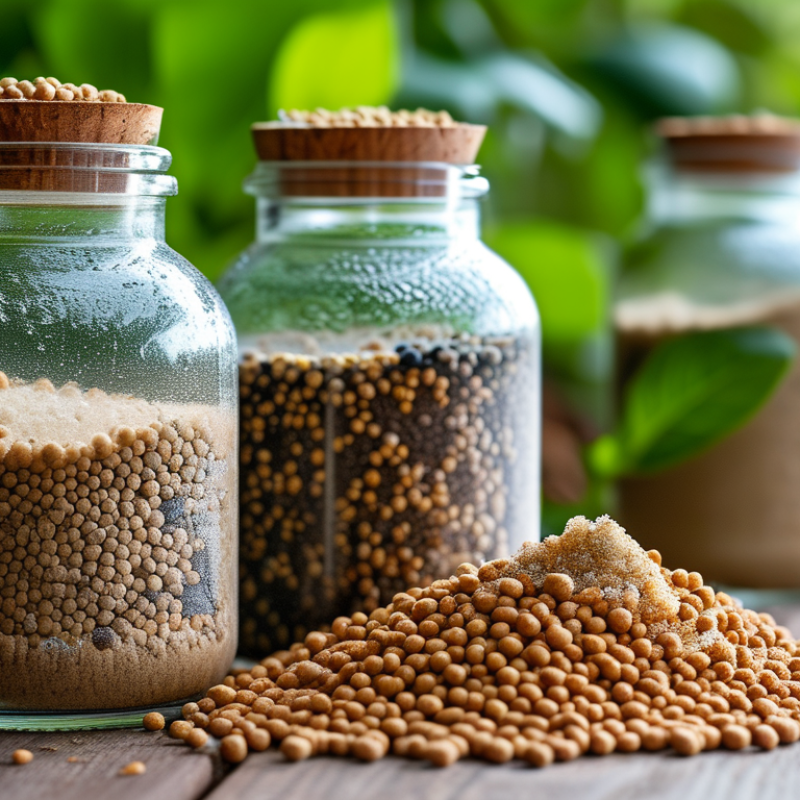
Different types of fertilizers require specific storage conditions to maintain their effectiveness. For instance, granular fertilizers should be stored in a cool, dry place. Humidity can cause them to clump together and lose potency. Consider using airtight containers to prevent moisture from seeping in. A garage or shed often works well, but ensure it’s not too damp.
Liquid fertilizers have unique needs, as well. They should be kept upright to avoid spills, and protection from freezing temperatures is essential. Opt for a shaded area if your storage is outdoors. Be mindful of the expiration dates, as liquid formulations may degrade faster than solid ones, especially once opened.
Organic fertilizers, like manure and compost, require careful handling. They can attract pests if not stored properly. A sealed bin is a practical option for these materials. However, remember that organic fertilizers have shorter shelf lives and may need regular monitoring. Regularly check for signs of spoilage to ensure your garden remains healthy.
Proper storage of fertilizers is crucial for maintaining their effectiveness and extending shelf life. The ideal temperature for most fertilizers is between 50°F to 70°F (10°C to 21°C). High temperatures can cause chemical reactions that degrade fertilizers. A report from the National Agricultural Statistics Service (NASS) indicates that heat can reduce nutrient content by up to 20% over time. Therefore, storing fertilizers in a cool, dry location is essential.
Humidity plays a significant role in fertilizer storage as well. Fertilizers can absorb moisture from the air, leading to clumping and loss of efficacy. The ideal relative humidity level for storage should be below 50%. For example, ammonium nitrate should be stored specifically in a moisture-free environment to prevent caking and ammonia loss. A study from the Association of American Plant Food Control Officials (AAPFCO) highlights that fertilizers stored in high humidity can experience a nutrient loss of up to 30% within a few months.
It's important to be aware of the potential impact of poor storage conditions. Containers should be tightly sealed to prevent moisture intrusion. Regular inspections can help identify any signs of degradation. Despite these precautions, some fertilizers may still not perform as expected over time. Understanding these factors helps gardeners and farmers make informed decisions about fertilizer usage and storage practices.
| Fertilizer Type | Ideal Temperature (°F) | Ideal Humidity (%) | Shelf Life (Years) | Storage Conditions |
|---|---|---|---|---|
| Granular Fertilizer | 50 - 70 | 50 - 70 | 5 | Cool, dry, and dark place |
| Liquid Fertilizer | 45 - 65 | 30 - 50 | 2 | Avoid freezing and light exposure |
| Organic Fertilizer | 50 - 75 | 40 - 60 | 3 | Ventilated and cool area |
| Slow-Release Fertilizer | 60 - 80 | 50 - 70 | 4 | Dry, sheltered from moisture |
| Ammonium-Nitrate Fertilizer | 40 - 60 | 20 - 40 | 2 | Cool and dry, away from chemicals |
Proper packaging is essential for extending the shelf life of fertilizers. Using airtight containers can prevent moisture from spoiling the nutrients. For granular or powder fertilizers, consider vacuum-sealed bags. This technique keeps air out, preserving effectiveness over time. Labeling these bags helps prevent confusion. Keep track of purchase dates to ensure you use older products first.
Storing fertilizers in a cool, dry place is crucial. High temperatures and humidity can lead to clumping and nutrient loss. A clean, dry basement or a dedicated shed works well. Avoid direct exposure to sunlight, as UV rays can degrade certain fertilizers. Regularly check your storage area for signs of pests. Infestations can render your fertilizer unusable.
Ultimately, a little attention goes a long way in safeguarding your fertilizers’ longevity. Rethink your current storage methods. Are they efficient? Make adjustments as necessary. Ensure that packaging is intact. Damaged bags or containers can lead to contamination. Stay proactive to maintain the quality of your fertilizers.
Fertilizer degradation can occur due to improper storage practices. Signs of degradation include changes in texture, color, and smell. A study from the Association of American Plant Food Control Officials indicates that improper storage can reduce fertilizer effectiveness by up to 30%. This emphasizes the importance of maintaining quality to benefit both plants and the environment.
Temperature and humidity play crucial roles in the preservation of fertilizers. High humidity levels can lead to clumping, while excessive heat can cause nutrient breakdown. Storing fertilizers in cool, dry places is essential. A report by the Fertilizer Institute highlights that optimal storage conditions can extend shelf life by over 50%. Keep an eye out for unusual discoloration, which can indicate chemical changes.
Regularly inspecting stored fertilizer can prevent degradation. Look for any signs of pests or moisture buildup. Even small issues can lead to significant losses over time. Taking the time to ensure proper storage conditions can make a difference. Understanding these factors will help maintain fertilizer quality for successful gardening or farming endeavors.
When dealing with expired or unusable fertilizers, it’s crucial to dispose of them properly. Many people are unsure about how to handle these chemicals safely. Ignoring disposal guidelines can lead to environmental harm. Always check local regulations for specific disposal methods. Some fertilizers might be classified as hazardous waste, necessitating special handling.
If you have solid fertilizers, the best method is to utilize a waste collection program. Many communities offer this service. You can take them to a designated facility for safe disposal. Liquid fertilizers, on the other hand, should be diluted extensively before disposal. This reduces the concentration, making it less harmful to the environment. Using a dedicated container for these materials is essential to prevent spills.
Consider composting organic fertilizers, as long as they are free from harmful chemicals. This approach can be beneficial and reduces waste. However, mixing non-organic fertilizers into compost is not safe. It’s also worth reflecting on the storage practices that lead to expired products. Take extra care with containers to avoid loss of quality over time. Proper disposal not only protects the environment but also contributes to better gardening practices.
: Granular fertilizers should be kept in a cool, dry place to maintain effectiveness.
Use airtight containers to prevent moisture from seeping in and causing clumping.
Storing liquid fertilizers upright prevents spills and helps maintain their integrity.
Organic fertilizers, like manure, should be kept in a sealed bin to avoid attracting pests.
Signs include changes in texture, color, and smell. Regular inspections help identify these issues.
High temperatures can lead to nutrient breakdown, making cool storage essential for longevity.
Proper packaging, such as vacuum-sealed bags, keeps air out and helps maintain effectiveness over time.
Check for clumping or unusual discoloration, which may indicate degradation and reduce effectiveness.
Regular inspections are important. Look for signs of pests or moisture buildup during checks.
Rethink your current setup. Ensure containers are intact and adjust storage conditions as needed.
When considering how to store fertilizer correctly, it's essential to understand the various types of fertilizers and their specific storage requirements. Each type has unique characteristics that influence their longevity and effectiveness, making proper categorization crucial. Ideal storage conditions are paramount, with temperature and humidity playing significant roles in maintaining fertilizer quality. It's important to keep fertilizers in a cool, dry place to prevent moisture buildup and chemical reactions that could degrade their quality.
Additionally, using appropriate packaging techniques can significantly extend the shelf life of fertilizers. This includes selecting air-tight containers and ensuring they are stored away from direct sunlight. Recognizing the signs of fertilizer degradation, such as clumping or color changes, allows for timely action to mitigate issues. Lastly, knowing safe disposal methods for expired or unusable fertilizers is essential for environmental safety and compliance. By following these guidelines, one can ensure fertilizers remain effective for as long as possible.
TH Fertilizer